

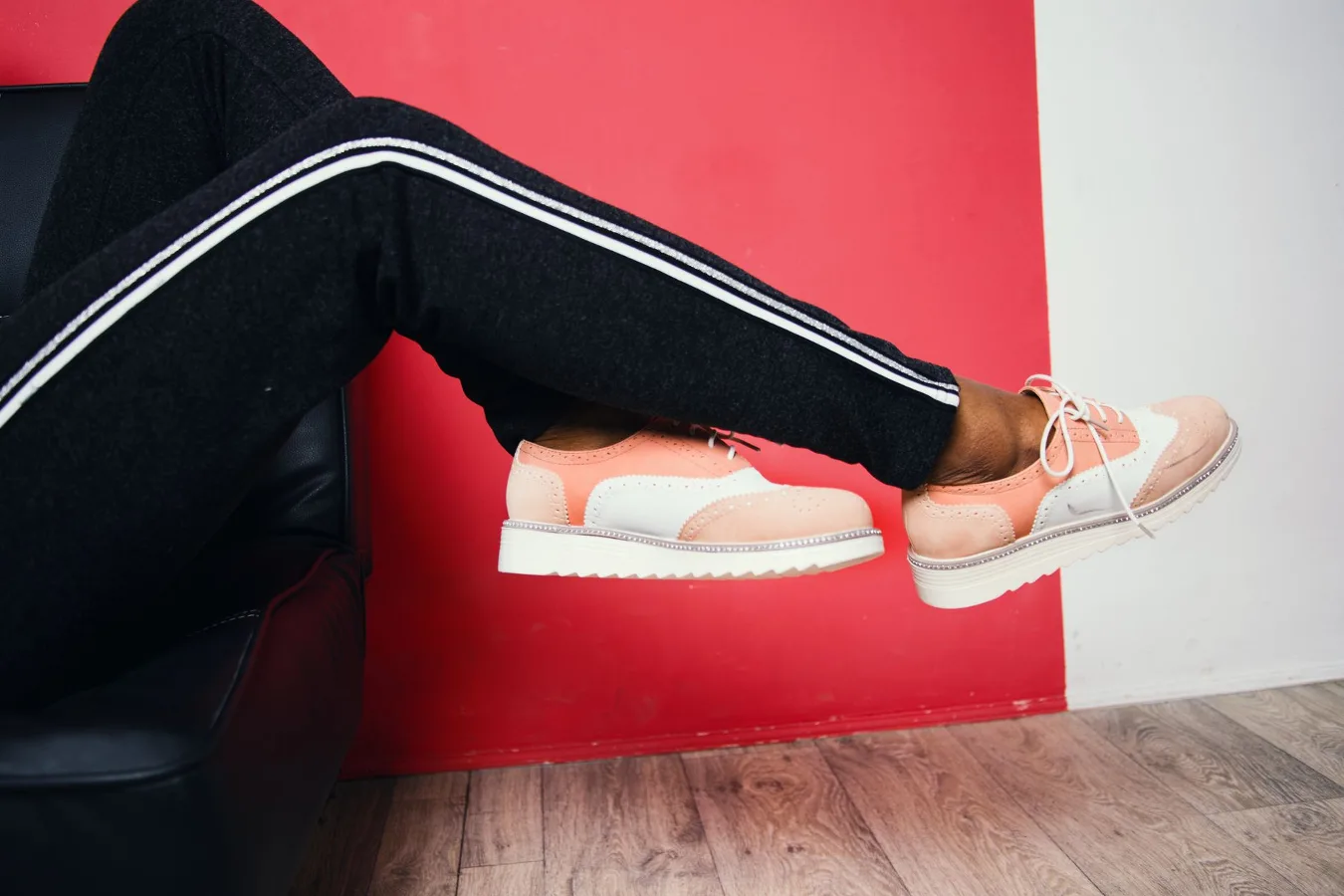
Who Cobb Hill shoes are best for
Cobb Hill shoes tend to appeal to shoppers who want a more polished look without giving up comfort. If your wardrobe needs shoes that can move between office days, errands, casual dinners, and travel, this brand often comes up because it leans into wearability rather than trend-driven styling.
The strongest fit is usually for someone who values comfort features first: cushioning, stable construction, practical heel heights, and styles that feel versatile enough for everyday use. That does not mean every Cobb Hill shoe will suit every foot. Fit, support preferences, and material choices still matter, especially if you need a wider fit, wear orthotics, or spend long stretches on your feet. dress shoes that still feel easy to wear offers more detail on this point.
If you are looking for a single pair that does everything, that is where the brand’s appeal becomes clear. Cobb Hill shoes often sit in the space between casual comfort and office-appropriate styling, which makes them attractive for shoppers who want less compromise than a typical fashion flat or dress shoe.
What this brand is trying to do differently
A common misconception is that comfort shoes have to look bulky or overly practical. Cobb Hill’s value is that it often tries to keep the silhouette more refined while still building in everyday comfort features. That balance is the main reason many shoppers consider the brand during a search for women’s comfort shoes.
Instead of chasing one dramatic feature, the brand’s appeal is usually the combination: cushioning, wearable heel heights, stable soles, and materials that can feel more substantial than ultra-light fashion shoes. For buyers, that combination matters because it affects how the shoe wears over a full day, not just how it looks on arrival.
That said, “comfort” is not universal. A shoe can feel soft but still run narrow, or feel supportive but not be ideal for someone who prefers a very flexible sole. The right choice depends on how you use your shoes and what problems you are trying to solve. how to choose supportive shoes offers more detail on this point.
Buyer scenarios that make Cobb Hill worth a closer look
These shoes often make the most sense in a few practical situations:
- You want office-friendly shoes that do not look overly formal or stiff.
- You need a pair that can handle commuting, walking, and standing without feeling precious.
- You prefer a more classic style than sporty sneakers but still want comfort features.
- You have trouble finding shoes that feel polished enough for dresses, slacks, or skirts.
- You are trying to build a small wardrobe of reliable everyday shoes rather than buy for one specific outfit.
That last point is easy to overlook. The best comfort shoes are often the ones you can wear repeatedly without needing to think about them. Cobb Hill is often considered for that reason: it is less about fashion novelty and more about dependable use.
Material, support, and fit: the details that matter most
For this category, the smartest evaluation starts with materials, fit, and support. Those three factors do most of the work in determining whether a pair will feel wearable beyond the first try-on.
Upper materials
Leather uppers are common in comfort footwear because they can offer structure, a more finished look, and a break-in period that may shape to the foot over time. Synthetic materials can be lighter or easier to care for, but they vary more widely in breathability and flexibility. If you have sensitive feet, the material around the toe box, vamp, and heel counter deserves special attention because these are the places where rubbing shows up first.
Cushioning and footbed shape
A cushioned footbed can make a major difference if you stand or walk for long periods. Still, cushioning alone is not the same as support. A shoe may feel plush at first but offer less stability under the arch or heel. If you know you prefer a firmer platform, focus on how the footbed and outsole work together rather than judging by softness alone.
Heel height and stability
Many Cobb Hill styles are appealing because they stay in a manageable heel range. That can be a real advantage for comfort, but heel shape matters as much as heel height. A lower heel with a stable base may feel easier to wear than a slightly higher one with a narrow profile. For buyers, the practical question is not just whether the shoe is “low,” but whether it feels balanced during real movement.
Width and toe room
Width is one of the most important considerations in comfort footwear and one of the easiest to underestimate. A shoe that feels fine for five minutes can become a problem after an hour if the toe box is too tapered or the forefoot sits too tightly. If you often size up just to get more room, it may be better to look for styles and width options that better match your foot shape from the start.
The trade-offs to think about before buying
Cobb Hill shoes can be a good answer for shoppers who want balance, but balance always comes with trade-offs.
- Style versus athletic comfort: These shoes usually offer a more refined look than sneakers, but they may not match the all-day bounce of a true athletic walking shoe.
- Structure versus softness: More structure can improve stability, yet some shoppers prefer a softer, more flexible feel.
- Versatility versus specialization: A shoe that works for work and casual wear may not excel in a single demanding use case such as serious walking or long-distance travel.
- Material maintenance: Leather and other finished materials can look polished, but they may require more care than simple wipe-clean options.
This is the real decision point. If your priority is one shoe that fits many settings, Cobb Hill can be a strong candidate. If your priority is maximum performance for a single activity, a more specialized shoe may make more sense.
How to judge whether a pair will work for your routine
Think about your actual day, not your ideal day. Many shoppers focus on the outfit and forget the environment. That is where good decisions get made or lost.
If you commute on foot, stand at work, or do a lot of stop-and-go walking, prioritize stability, outsole grip, and a secure fit around the heel. If you spend more time seated but want a shoe that looks polished, you may care more about style, toe shape, and how easily the shoe pairs with different clothes. If your feet swell during the day, a slightly more accommodating fit and flexible upper can matter more than a sleek profile.
Another overlooked consideration is sock or hosiery use. A shoe that feels great barefoot or with a thin liner may feel very different with tights, no-show socks, or thicker everyday socks. That difference is especially important if you are buying shoes for work or transitional seasons.
Style versatility: where these shoes tend to fit in a wardrobe
Cobb Hill shoes are often chosen by shoppers who want a practical bridge between casual and dressy. They can work with tailored pants, straight-leg jeans, midi skirts, and simple dresses, depending on the silhouette. The cleaner and more restrained the design, the easier it usually is to style across seasons.
That versatility is useful, but it can also create a false expectation that one pair will cover every need. A smooth leather pump-style shoe may be great for office outfits but less practical for uneven sidewalks. A comfort flat may feel ideal for commuting but not deliver enough lift for certain hems. Matching the shoe to the wardrobe is just as important as matching it to the foot.
Common mistakes shoppers make
Comfort shoe buyers often repeat the same few mistakes, especially when shopping online.
- Choosing by appearance alone: A shoe can look refined and still have a toe box that does not suit your foot shape.
- Assuming all comfort shoes fit the same way: Brand reputation helps, but fit still varies by style.
- Ignoring heel-to-toe balance: A low heel is not automatically comfortable if the shoe feels unstable.
- Overlooking material stiffness: Some uppers need time to soften; others may never change much.
- Buying for one outfit only: A shoe that works in multiple outfits usually delivers better value.
A useful habit is to ask whether the shoe solves a real wardrobe problem. If it does not, even a well-made pair can become an expensive answer to the wrong question.
Alternatives if Cobb Hill is close, but not quite right
If you like the idea of Cobb Hill shoes but want to compare adjacent options, think in categories rather than brand names. You might look at other comfort-focused women’s footwear lines that emphasize arch support, wider sizing, low heels, or work-friendly styling. The best alternative depends on what is missing from your current shortlist. comfortable women’s shoes for daily wear offers more detail on this point.
For example, if you need maximum walking comfort, a dedicated walking shoe or supportive sneaker may outperform a dressier comfort shoe. If you want a more fashion-forward silhouette, a style-oriented brand may offer sharper lines but less forgiveness. If you need orthotic compatibility, flexibility and removable insoles may matter more than brand aesthetic.
The point is not to choose the “best” shoe in the abstract. It is to choose the best shoe for the way you actually dress and move.
Practical next steps before you buy
If you are considering Cobb Hill shoes, use a simple filtering process before checkout:
- Decide whether you need everyday casual wear, office wear, or a hybrid of both.
- Check whether the style shape matches your foot width and toe preference.
- Review the materials and ask how much care you are willing to give the shoe.
- Think about the heel height and whether you want more stability or more lift.
- Compare the shoe against the outfits you actually wear most often.
If possible, keep the packaging and try the shoes indoors on a clean surface so you can assess fit carefully. Pay attention to heel slip, forefoot pressure, and whether the shoe feels secure while walking normally. Those early signals usually tell you more than a quick mirror check.
For shoppers building a broader footwear rotation, Cobb Hill can fill a useful niche: polished, comfortable, and practical enough for regular wear. That niche is valuable, especially if your current shoe lineup leans too casual, too dressy, or too painful for long days.