

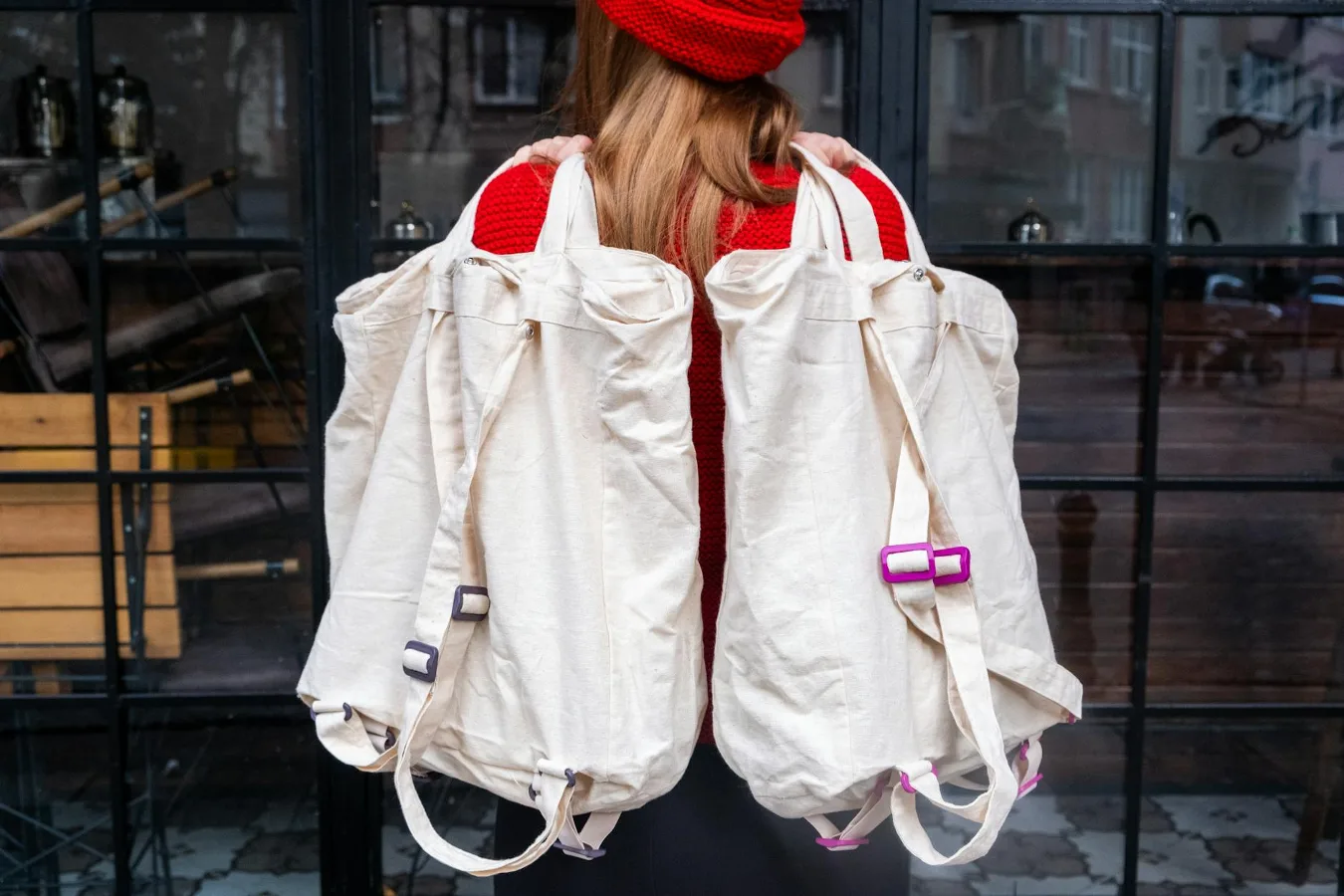
Who a canvas duffle bag is best for
A bag canvas duffle is a practical choice if you want one bag that can handle short trips, gym visits, or everyday carry without feeling too formal. It usually makes sense for people who prefer soft-sided storage, want easy access to their belongings, and do not need the rigid structure of a suitcase. best bags for short trips offers more detail on this point.
This type of bag often fits a simple decision profile: you need something roomy, flexible, and easy to pack, but you still care about appearance and long-term usefulness. For that reason, canvas duffles are popular as weekender bags, overnight bags, commuter bags, and casual carry-ons. weekender bag sizing tips offers more detail on this point.
The real advantage is flexibility. A canvas duffle can compress when partially full, tuck into overhead bins more easily than many hard cases, and adapt to different uses. The trade-off is that it may offer less protection and organization than a more structured travel bag.
What a canvas duffle does well
Canvas has a workhorse reputation for a reason. In bag form, it tends to offer a useful balance of durability, weight, and style. It feels casual enough for everyday use, but polished enough for many travel situations.
- Versatility: suitable for travel, gym, overnight stays, and daily carry.
- Soft-sided packing: easier to squeeze into tight spaces than rigid luggage.
- Simple styling: pairs well with casual, outdoor, and minimalist wardrobes.
- Repair-friendly potential: straightforward construction is often easier to maintain than heavily engineered luggage.
That said, canvas is not automatically better than nylon, leather, or polyester. The right choice depends on how you plan to use the bag and what kind of wear you expect.
Buyer scenario: when canvas is the right call
If you are shopping for a bag canvas duffle, start with the use case rather than the material alone. Canvas makes the most sense when you want a bag that feels dependable and unfussy.
Good fits for canvas duffles
- Weekend travel: enough room for a few outfits, toiletries, and small accessories.
- Gym carry: practical for clothes, shoes, towel, and a water bottle.
- Daily commuting: works if you carry a laptop sleeve, lunch, and personal items in a casual setup.
- Road trips: easy to stash in a car trunk and access quickly on the go.
When another bag may be smarter
- Frequent rain exposure: untreated canvas is less forgiving in wet conditions than water-resistant synthetics.
- Heavy electronics loads: a padded backpack or structured brief may protect devices better.
- Strict organization needs: if you rely on many compartments, a travel backpack or rolling bag may work better.
- Formal settings: some canvas duffles read too casual for business travel.
A common misconception is that a larger duffle is always better. In practice, oversized bags can become awkward, tempt overpacking, and strain the shoulder if the weight is not managed well.
Material and spec factors that matter most
Not all canvas duffles behave the same way. The phrase can cover a wide range of constructions, finishes, and reinforcements, and those differences matter more than branding alone.
Canvas type and finish
Canvas can be left in a natural state, treated for added resilience, or waxed for a more weather-resistant surface. Each version has trade-offs.
- Natural canvas: classic look, breathable feel, usually less weather protection.
- Waxed canvas: improved resistance to moisture, but it may feel stiffer and require different care.
- Heavy canvas: often more structured and abrasion-resistant, though sometimes bulkier.
If you want a bag that softens over time and looks broken in, untreated or lightly finished canvas may appeal to you. If your priority is handling unpredictable weather, a treated finish may be more practical.
Stitching and reinforcement
The durability of a duffle depends heavily on construction details. Look closely at stress points such as the handles, strap anchors, zipper ends, and bottom panel. Reinforced stitching and bar tacks at these points can make a real difference in everyday use.
The bottom panel is easy to overlook, but it is one of the most important parts of the bag. A stronger base helps the duffle hold its shape, protects against scuffs, and supports heavier contents more evenly.
Hardware quality
Zippers, buckles, strap clips, and rings affect daily convenience. Smooth zippers are especially important on a duffle because the main opening often gets frequent use. If hardware feels flimsy, the bag may become frustrating long before the canvas itself wears out.
Metal hardware often feels sturdier, but the real question is consistency in construction. Well-fitted hardware matters more than appearance alone.
Interior layout
Many canvas duffles keep the inside simple. That can be a benefit if you like a flexible packing space, but it may also mean you need pouches or packing cubes to keep smaller items organized.
- Open main compartment: best for flexibility and larger items.
- Interior zip pocket: useful for valuables or travel documents.
- Shoe compartment: helpful if you use the bag for gym or overnight trips.
- Exterior pockets: convenient for quick-access items like keys, phone, or wallet.
Do not assume more pockets always equals better organization. Extra compartments can reduce usable space and add weight if they are poorly placed.
Size and carry comfort
Size is one of the biggest decision points for a canvas duffle. A bag that is too small defeats the purpose, while one that is too large becomes awkward to carry and harder to keep tidy.
Think in terms of what you regularly pack rather than abstract capacity. If the bag is for overnight trips, your packing list should guide the choice. If it is for the gym, think about shoes, clothing, toiletries, and any specialty gear you carry.
Comfort considerations
- Shoulder strap padding: useful if the bag gets heavy.
- Handle length: should allow a comfortable hand carry without scraping the ground.
- Balanced shape: helps the bag sit naturally against the body.
- Weight when empty: matters more than many shoppers expect, especially for travel.
A bag with great materials can still be unpleasant if the strap digs into your shoulder or the opening is awkward to pack. Comfort should be part of the purchase decision, not an afterthought. durable bag materials explained offers more detail on this point.
Trade-offs to weigh before buying
Canvas duffles work well precisely because they are not trying to be everything. The trade-offs are worth understanding before you commit.
- Pros: versatile, easy to pack, visually timeless, often practical for short trips.
- Cons: less structure, less weather protection unless treated, and sometimes less built-in organization.
If you want a bag that can pass from gym use to weekend travel without looking technical, canvas is a strong option. If you need maximum protection, formal styling, or highly compartmentalized storage, another bag may serve you better.
Another practical nuance is maintenance. Canvas can look better with age, but only if you are comfortable with occasional cleaning and normal wear marks. Some people enjoy that patina. Others prefer materials that stay visually consistent with less effort.
How to compare canvas duffles with alternatives
Comparing a canvas duffle with other common bag types can make the choice much easier.
Canvas duffle vs. nylon duffle
Nylon is often lighter and more weather-resistant, while canvas usually feels more classic and substantial. If portability and wet-weather performance are your top priorities, nylon can be the better tool. If style and a more traditional look matter more, canvas may be the better fit.
Canvas duffle vs. leather duffle
Leather can look more refined, but it usually demands more care and can be heavier. Canvas tends to be easier to use casually and less intimidating for everyday wear.
Canvas duffle vs. backpack
A backpack is often more comfortable for heavier loads because it distributes weight across both shoulders. A duffle offers easier access and a simpler packing experience. If you carry a laptop and commute on foot, a backpack may be more practical. If you pack one main compartment and want quick grab-and-go convenience, a duffle has the edge.
Practical care and maintenance
Canvas is generally straightforward to live with, but good habits help the bag last longer.
- Keep it dry when possible: let the bag air out if it gets damp.
- Brush off surface dirt: small cleanups are easier than deep cleaning later.
- Check straps and seams: catch wear early before it becomes a bigger problem.
- Store it uncompressed: avoid folding or crushing the bag for long periods.
If the bag is waxed or specially treated, follow the care guidance for that finish rather than cleaning it like plain canvas. A common mistake is using a one-size-fits-all approach to maintenance, which can damage the surface or reduce performance.
What to look for before you buy
A good canvas duffle does not need to be complicated, but it should match your actual habits. Before buying, ask a few simple questions.
- Will I use this mostly for travel, the gym, or everyday carry?
- Do I need weather resistance or just general durability?
- Will I carry it by hand, over the shoulder, or both?
- Do I need internal organization or is a simple main compartment enough?
- How much weight am I likely to pack?
If you answer these honestly, the right bag becomes much easier to spot. The best choice is not the one with the most features. It is the one that matches your real routine without creating friction.
Common mistakes shoppers make
People often focus on the outer look of a duffle and miss the details that affect daily use.
- Choosing based on appearance alone: a good-looking bag can still carry poorly.
- Ignoring strap comfort: this becomes obvious only after the bag is loaded.
- Overestimating capacity: soft-sided bags can invite overpacking.
- Skipping hardware inspection: weak zippers and attachment points can shorten the bag’s useful life.
- Assuming all canvas is equally durable: construction quality matters as much as the fabric itself.
FAQ
Is a canvas duffle bag good for travel?
Yes, especially for short trips, weekends, and casual carry-on use. It is most practical when you want a soft-sided bag that is easy to pack and access.
Is canvas better than nylon for a duffle bag?
Not always. Canvas is often favored for its classic look and sturdy feel, while nylon may be lighter and more weather-resistant. The better material depends on how you plan to use the bag.
How do I keep a canvas duffle bag clean?
Start with regular brushing or wiping, and let the bag dry fully if it gets damp. For deeper cleaning, follow the care guidance that matches the bag’s finish, especially if it is waxed or treated.
What size canvas duffle should I get?
Choose based on your actual packing routine. Overnight use, gym carry, and weekend travel usually call for different capacities, so it helps to think through what you carry most often.
Are canvas duffle bags good for everyday use?
They can be, particularly if you prefer a casual, flexible bag with a simple layout. If you need a highly organized commuter bag or a rain-ready option, another style may suit you better.
Next steps
If you are narrowing down a bag canvas duffle, focus on three things first: how you will use it, how comfortable it feels when loaded, and whether the construction matches the weight you expect to carry. That approach is more reliable than shopping by looks alone.
From there, compare the canvas type, strap design, hardware, and interior layout. If the bag meets your needs in those areas, it is much more likely to stay useful long after the novelty wears off. For readers building out a broader bags wardrobe, this is also a good point to compare weekender bags, travel backpacks, and soft-sided carry-ons so you can choose the right format for each situation.