

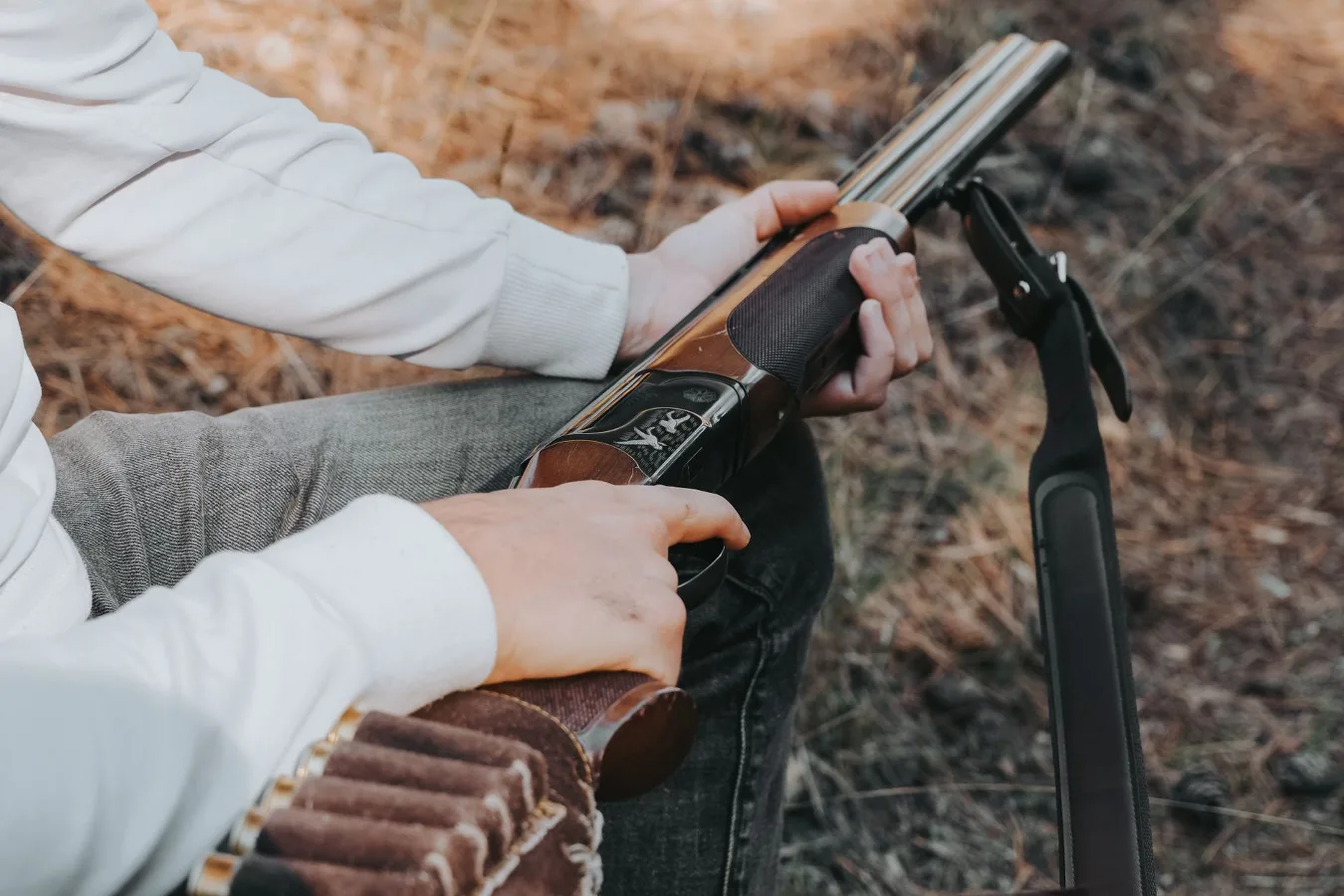
If you are building a kit for sporting clays, start with the gear that improves safety, comfort, and consistency before you think about extras. The best sporting clay gear usually comes down to three practical needs: protecting your eyes and hearing, keeping shells and essentials organized, and making repeated shotgun mounts feel easier over a full course. best shooting glasses for clays offers more detail on this point.
That means the smartest purchase is not necessarily the most expensive accessory. It is the one that fits your body, your shotgun setup, and the way you actually shoot. A good guide to sporting clay gear should help you separate the essentials from the nice-to-haves, because course conditions, weather, and personal fit matter more than flashy features.
Start with the shooter, not the catalog
The most useful way to shop for sporting clay gear is to think about your own use case. A casual weekend shooter, a beginner taking lessons, and a competitor all need different things. One person may value lightweight comfort and simple carry. Another may want better organization, quicker reload access, or a setup that reduces fatigue during long rounds.
That is where many buyers go wrong. They buy gear because it is popular in shooting circles, then realize it does not match their routine. A bulky vest can be helpful for one shooter and annoying for another. The same is true of gloves, bags, or lens colors. Sporting clays has enough movement, walking, and variable stations that gear should support mobility as much as protection.
Useful first question: What problem are you trying to solve? If the answer is visibility, choose eyewear. If it is comfort and ammo access, focus on a vest or pouch. If it is carrying a full day’s essentials, look at bag layout and weather resistance. what to look for in a shell pouch offers more detail on this point.
The core pieces most shooters should consider
Not every sporting clay setup needs every accessory. Still, a few categories matter more than others.
Eye protection
Eye protection is non-negotiable. For clay shooting, many shooters prefer shooting glasses with interchangeable lenses or lens tints suited to changing light. The practical considerations are fit, coverage, and lens clarity. Glasses should stay stable during movement, sit comfortably with hearing protection, and provide enough wrap to protect from debris or wind.
Lens choice is a real-world nuance that often gets overlooked. Different tints can help with contrast in different backgrounds and lighting, but there is no single best lens for every course. Woods, open fields, overcast days, and bright sunlight all change what feels easiest to track. If you shoot in mixed conditions, a set with multiple lens options can be more flexible than a single-purpose pair.
Hearing protection
Hearing protection should be comfortable enough to wear without constant adjustment. If earmuffs feel heavy or interfere with your stock mount, they may become a distraction. If you prefer in-ear protection, the main concerns are fit, seal, and ease of insertion. The right choice often depends on your sensitivity to sound, helmet or hat use, and whether you want a low-profile setup.
For many shooters, the trade-off is simple: stronger coverage can sometimes mean more bulk, while lower-profile options may require better fit to be effective. Comfort matters because imperfect hearing protection is often removed too early or worn incorrectly.
Shooting vest or shell carrier
A shooting vest can improve convenience more than people expect. It helps distribute weight, provides shell pockets, and often gives room for spent hulls. But fit matters. A vest that rides up, binds at the shoulders, or crowds the shotgun mount can become a liability. shooting vest fit and pocket layout offers more detail on this point.
If you do not want a full vest, a shell pouch may be a cleaner alternative. It is lighter, simpler, and easier to wear in warmer weather. The downside is less storage and less weight balance across the torso. For some shooters, that is a fair trade; for others, especially during longer courses, a vest is more comfortable.
Range bag or gear bag
A practical range bag keeps the small things from turning into constant interruptions. Think ammunition, eye and ear protection, a towel, water, a multitool if you use one, paperwork, and small personal items. The best bag is not just roomy; it is organized enough that you can find items quickly without dumping everything out.
Weather resistance is worth considering here. Sporting clays often means walking outdoors, so a bag that handles light rain, damp grass, or dusty conditions can be more useful than one with a prettier finish and no structure.
Material and construction factors that actually matter
Sporting clay gear is exposed to movement, sun, dust, perspiration, and occasional rough handling. Materials influence how long gear stays comfortable and how much maintenance it needs.
| Gear type | Material or build factors to watch | Why it matters |
|---|---|---|
| Shooting glasses | Lens clarity, scratch resistance, frame stability | Affects visibility, durability, and comfort during movement |
| Hearing protection | Seal quality, profile, padding, fit | Affects protection, wearability, and interference with mounting |
| Vest or pouch | Breathability, stitching, pocket layout, adjustability | Affects comfort, carry capacity, and long-term usability |
| Bag | Reinforced handles, compartments, fabric durability, moisture resistance | Affects organization and reliability over repeated use |
| Gloves | Grip, flexibility, seam placement, breathability | Affects trigger feel, control, and comfort in changing weather |
Breathability is especially important for apparel and vests. A gear item can look well-built and still feel unpleasant on hot days if it traps heat. On the other hand, an ultra-light fabric may sacrifice structure or pocket support. The right balance depends on season, climate, and how long you expect to be on the course.
Durability is another place where buyers can misjudge value. A sturdy zipper, reinforced stitching, and abrasion-resistant panels often matter more than decorative details. Sporting clays gear gets put on and taken off repeatedly, brushed against shotguns and carts, and carried over uneven ground. Small build quality differences can show up fast.
Fit and compatibility come before features
Fit is not just about comfort. It affects safety, movement, and shooting mechanics. If you wear a vest that interferes with the mount, or ear protection that pushes your glasses out of position, the gear is working against you.
Compatibility with your shotgun setup matters too. Some shooters use a longer stock, a recoil pad, or a different shooting stance. Those choices affect how a vest sits, where a pouch hangs, and whether eyewear stays secure. Even the shape of a hat brim can affect how well glasses and ear protection work together.
A common misconception is that sporting clay gear has to be specialized to be effective. In reality, many shooters do best with simple, compatible basics. A modest, well-fitting setup is often better than a feature-heavy kit that creates friction at the station.
Comfort trade-offs that deserve attention
Comfort is easy to underestimate until the round gets long. Walking, carrying ammunition, and repeating the mount make small issues more noticeable. A strap that digs in, a vest that overheats, or glasses that slip slightly can become distracting over time.
Here are the main trade-offs to think through:
- Coverage vs. bulk: More protective gear can feel heavier or less flexible.
- Storage vs. mobility: Larger vests and bags hold more, but they can slow you down or feel cumbersome.
- Ventilation vs. structure: Lightweight fabrics may breathe better, while structured pieces hold their shape and pockets better.
- Adjustability vs. simplicity: Adjustable gear adapts better, but too many adjustments can create setup friction.
For many buyers, the best strategy is to prioritize a comfortable baseline kit, then add accessories only if a real need appears. That approach keeps the load manageable and makes it easier to identify what genuinely improves your shooting day.
Consider the environment you actually shoot in
Course conditions shape gear choices more than most product descriptions suggest. A humid summer course, a cool windy day, and a dusty outdoor range each push your setup in different directions.
If you shoot in heat, breathability and lightweight carry matter more. If you often start early in the morning or shoot in variable light, lens flexibility becomes more useful. If you deal with wet grass, mud, or light rain, gear that dries quickly and resists moisture is easier to live with.
This is also where a few overlooked details matter. For example, pocket layout can be more important than total pocket size if you need quick shell access. Likewise, a bag with fewer compartments may be simpler, but a little organization can save time when you are moving between stations.
What beginners should buy first
Beginners often benefit from keeping the first shopping list short. The goal is not to build a full competition kit on day one. It is to cover safety, comfort, and basic convenience without creating unnecessary complexity.
A practical starter list usually includes:
- reliable eye protection
- comfortable hearing protection
- a simple way to carry shells
- a bag for essentials
- weather-appropriate clothing that allows easy movement
If you are just getting started, avoid buying gear that assumes you already know your preferences. For instance, highly specialized lens tints, oversized storage systems, or premium apparel cuts may be hard to judge before you have a few rounds under your belt.
Another useful insight is that beginners often confuse “more gear” with “better preparation.” In practice, lighter and simpler is frequently better until you understand your pace, comfort needs, and the types of courses you shoot most often.
Common mistakes when buying sporting clay gear
Some purchases look smart on paper but create annoyance on the course. The most common mistakes are predictable once you know what to watch for.
- Choosing style over fit: A comfortable vest or glasses frame usually matters more than appearance.
- Buying too much at once: It is easier to learn your preferences incrementally.
- Ignoring weather: Gear that works in mild conditions may be poor in heat, wind, or rain.
- Forgetting movement: Walking, mounting, and bending all expose fit issues quickly.
- Overlooking maintenance: If a piece is hard to clean or dry, it may stop feeling worth the hassle.
Maintenance is a practical consideration, not an afterthought. Glasses need cleaning, bags need emptying and drying, and clothing or pads should hold up to repeated use. Easy-care gear tends to get used more consistently.
How to choose next without overbuying
If you want to build a sensible sporting clay setup, start with the category that is causing the most friction. That may be hearing protection that slips, glasses that fog or move, or a carrier that does not hold shells well. Solve the most annoying problem first, then reassess after a few outings.
A simple decision path works well for most buyers:
- Confirm your safety basics are covered.
- Identify what slows you down or distracts you most.
- Choose gear that fits your body and your shooting style.
- Look for durable materials and practical storage.
- Add extras only after the essentials feel right.
This approach keeps your kit efficient and avoids the common trap of accumulating gear that looks useful but never leaves the bag. Sporting clay gear should make the day smoother, not more complicated.
For many shooters, the best long-term value comes from a few well-chosen items that work together: dependable eye protection, comfortable hearing protection, a carrier that matches your movement, and a bag that keeps everything organized. Once those pieces are right, the rest becomes easier to evaluate.