

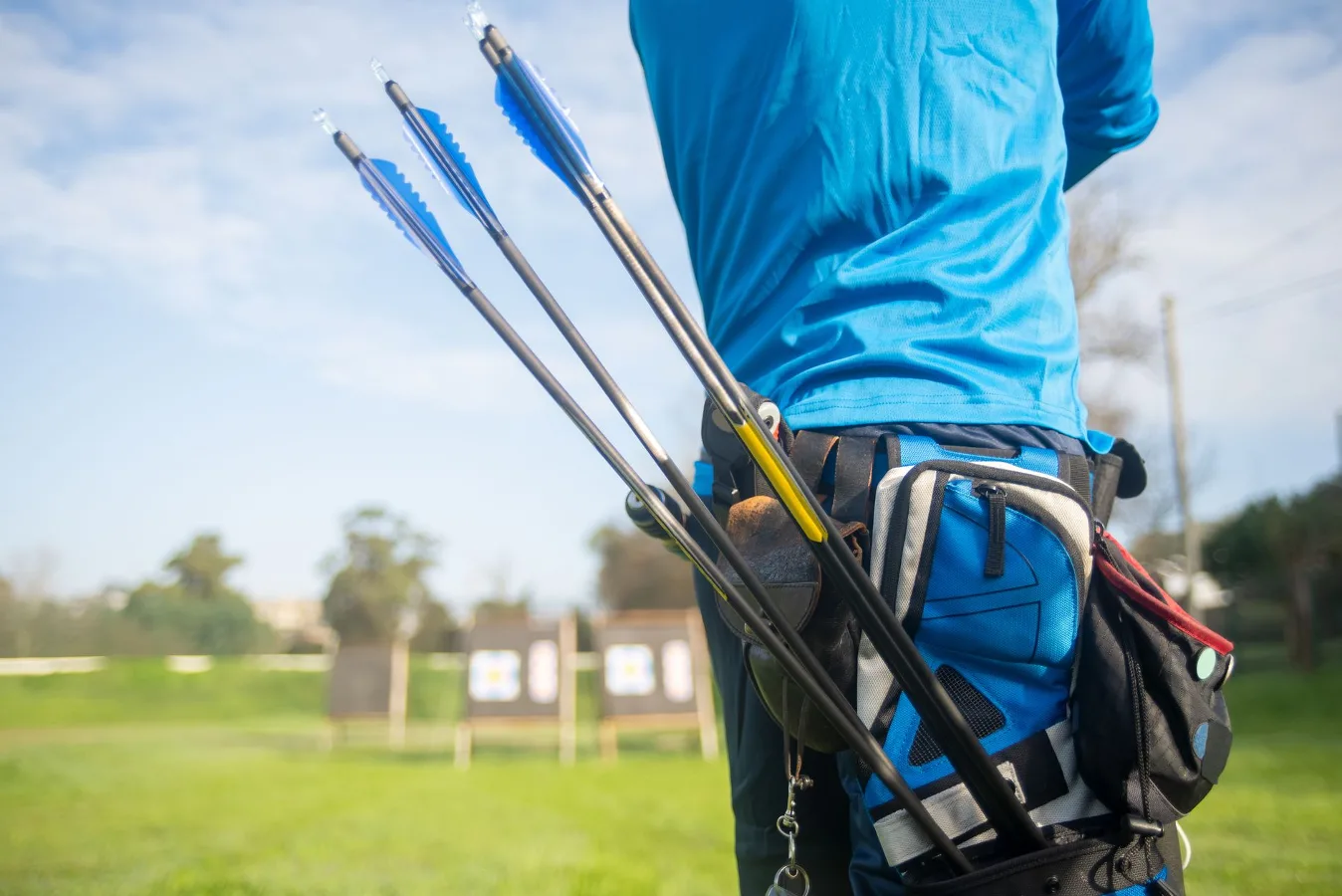
What sporting clays gear actually needs to do
Sporting clays gear should help you move comfortably through a course, stay protected, and handle your shotgun efficiently from station to station. That sounds simple, but many shooters overbuy accessories that add bulk without solving a real problem. sport clips gear offers more detail on this point. Big Cotton Sports Gear Buying Guide offers more detail on this point.
The core idea is this: the best setup is usually the one that keeps you focused on the shot. If gear interferes with balance, slows loading, slips during movement, or distracts you with poor fit, it is working against you.
For most shooters in the United States, a practical sporting clays setup starts with safety equipment, a way to carry shells, and clothing that allows free movement. After that, the right additions depend on the course, the weather, your shotgun, and how much walking you expect to do.
Start with the essentials
If you are building a setup from scratch, begin with the items that directly affect safety and basic function. These matter more than specialized accessories, and they should be chosen carefully rather than treated as afterthoughts.
Eye protection
Shooting glasses are not just for compliance at many clubs. They help protect against dust, spent wad fragments, and unexpected debris. For sporting clays, clarity matters as much as protection. Lenses that distort the view or create annoying glare can make it harder to track fast targets against changing backgrounds. best gear for clay target shooting offers more detail on this point.
Look for lenses that fit your local conditions. Clear or lightly tinted lenses may work better in shaded woods, while darker or amber-tinted lenses can be useful in bright sun. The best choice depends on the light where you shoot most often.
Ear protection
Hearing protection comes in two main forms: earplugs and earmuffs. Some shooters prefer low-profile plugs because they stay out of the way when mounting the gun. Others like electronic earmuffs because they can reduce loud reports while still allowing conversation and course instructions.
The practical question is not which type is “best” in the abstract. It is which type stays comfortable enough that you will wear it correctly for the whole round. Poorly fitting hearing protection is a common mistake, especially for new shooters who choose convenience over comfort.
A way to carry shells
Sporting clays courses usually involve a lot of movement, so a shell pouch, vest, or range bag with easy access matters. A good carrier keeps shells organized and easy to reach without forcing you to fumble at the station.
Some shooters prefer a vest because it spreads weight across the torso and often includes pockets for hulls, small tools, and scorecards. Others like a compact shell pouch because it is lighter and less warm in hot weather. Neither is automatically better. The choice depends on how much storage you want and how much you value mobility.
Gear that improves comfort without getting in the way
Once the essentials are covered, comfort-focused items can make long courses more manageable. This is where sporting clays gear becomes personal, because fit and feel matter almost as much as function.
Clothing that moves with you
Sporting clays is easier when your clothing does not restrict the mount, swing, or footing. Flexible outerwear, breathable shirts, and pants that allow stepping over uneven ground are usually more useful than heavy or stiff clothing. In cooler weather, layered clothing often works better than one bulky jacket because it lets you adjust as the day changes.
A common misconception is that specialized shooting clothing is required for a good round. That is not true. Practical, weather-appropriate clothes often work perfectly well as long as they do not bind at the shoulders or catch on the gun.
Gloves, when needed
Shooting gloves are optional for many clay shooters, but they can help in cold weather or when you want a little more grip. The trade-off is feel: thicker gloves may make loading and handling shells less precise. If you use gloves, choose a slim pair that preserves finger movement.
Footwear for uneven ground
A sporting clays course may involve walking on gravel, grass, mud, or uneven paths. Supportive footwear matters because it affects balance, comfort, and confidence while moving between stations. Traction is often more important than appearance. Shoes that feel fine on a flat range may become annoying on a damp course with slopes and loose ground.
How to choose sporting clays gear step by step
The right approach is to build around the way you shoot, not around a long product list. Use the steps below to sort essentials from extras.
Step 1: Think about course conditions
Start with the environment. A course with long walks, bright sun, and open fields creates different needs than a shaded, wooded layout. Consider temperature, humidity, rain risk, and how much gear you will actually carry between stations.
If you shoot in hot weather, lighter storage and breathable clothing may matter more than a heavy vest. If you shoot in cool or wet conditions, you may care more about layers, grip, and a bag that protects ammunition from moisture.
Step 2: Match gear to your shotgun setup
Not every accessory suits every shotgun or shooter. The fit of the gun, the recoil you experience, and the way you mount the stock all affect what gear is useful. A recoil pad may help some shooters more than others. A glove that feels fine with one gun may interfere with another if the grip or trigger reach is different.
Compatibility also matters for carrying systems. Some people like a vest because it keeps shells and spent hulls separated. Others prefer a pouch because it works better with a lighter clothing setup. Think about what supports your normal movement pattern instead of choosing the most feature-rich item.
Step 3: Decide what needs to be fast-access
On the course, the gear you use repeatedly should be easy to reach. Shells, eye protection, ear protection, and a towel or cloth for wiping lenses are often worth keeping accessible. Less frequently used items, such as spare parts or cleaning supplies, can stay in a bag.
This is an overlooked consideration for new shooters: convenience often matters more than capacity. A large bag with poor organization can slow you down more than a smaller setup with clear pockets and simple storage.
Step 4: Balance comfort against bulk
More gear is not always better. Extra pockets, padded panels, and heavy accessories can add warmth and weight, which becomes noticeable during a full round. If you tend to shoot long courses, prioritize items that reduce strain without creating clutter.
A light setup can be especially appealing for casual or beginner shooters. A more structured vest may make sense if you want organized storage and do not mind the added bulk. Both can be right; the best choice depends on how you value freedom of movement versus built-in organization.
Examples of practical gear setups
Different shooters need different setups. These examples are not prescriptions, but they show how to think about combinations that solve specific problems.
Minimal beginner setup
- Shooting glasses
- Earplugs or earmuffs
- Simple shell pouch or small bag
- Comfortable clothing with enough range of motion
- Supportive footwear
This setup works well if you want to keep costs and complexity low. It covers the essentials without adding bulk.
Comfort-focused setup for longer courses
- Protective shooting glasses with the right lens tint
- Electronic earmuffs or comfortable plugs
- Vest with shell pockets
- Lightweight gloves for weather protection
- Clothing suited to the season
- Small towel or lens cloth
This setup is better for shooters who walk more, shoot longer rounds, or spend time in changing weather. The trade-off is more carry weight and a slightly more complicated loadout.
Lean warm-weather setup
- Light eye protection
- Low-profile hearing protection
- Compact shell pouch
- Breathable clothing
- Light footwear with traction
For hot, humid days, simplicity often wins. Fewer layers and less bulk can make a long round feel much easier.
Common mistakes when choosing sporting clays gear
Many gear problems come from focusing on features instead of fit. The most expensive accessory is not necessarily the most useful one if it is uncomfortable or awkward on the course.
- Buying a vest before knowing your storage needs. Some shooters prefer the structure of a vest, but others find it hot and unnecessary.
- Choosing hearing protection that is uncomfortable. If you keep adjusting it, it is not the right option for you.
- Ignoring lens clarity. Eye protection that fogs or distorts your view can be more frustrating than helpful.
- Carrying too much gear. Extra accessories can weigh you down and create clutter.
- Forgetting weather changes. A setup that feels perfect in mild weather may become uncomfortable in heat, wind, or rain.
A useful rule is to add only one new item at a time. That makes it easier to tell whether the accessory genuinely improves your round or just looks helpful on paper.
What can wait
Not every accessory needs to be bought immediately. Some items are optional upgrades that become useful only after you understand your habits on the course.
Examples include specialized shell carriers, premium gloves, replacement recoil pads, dedicated cleaning kits, and extra storage accessories. These may be worthwhile later, but they are not mandatory for a solid sporting clays setup.
That distinction matters because beginners often spend money on convenience items before solving basic comfort and safety needs. A simpler, better-fitting setup usually provides more value than a fully loaded bag of extras.
How to keep your gear working well
Sporting clays gear tends to last longer and perform better when it is kept dry, clean, and organized. Eye protection should be cleaned with care so lenses do not get scratched. Hearing protection should be checked for fit and wear. Shell carriers and bags should be emptied and dried if they get wet or muddy.
If your gear includes soft goods like vests or gloves, follow the care instructions for the material. Even basic maintenance makes a difference because dirty or worn gear becomes less comfortable and less reliable over time.
Quick checklist before you head out
- Eye protection
- Hearing protection
- Shell carrier or vest
- Appropriate shells for the course rules
- Comfortable clothing for the weather
- Supportive footwear
- Lens cloth or small towel
- Any personal comfort items you know you need
If you keep this checklist simple, your setup will stay practical. The goal is not to carry everything possible. The goal is to arrive ready, stay protected, and avoid gear-related distractions.
FAQs
What is the most important sporting clays gear for beginners?
Eye protection, hearing protection, and a simple way to carry shells are the most important starting points. Those items solve the basic safety and handling needs before you add anything else.
Do I need a vest for sporting clays?
No. A vest can be helpful, but many shooters do fine with a shell pouch or compact bag. Choose the option that feels comfortable and gives you enough organization without adding unnecessary bulk.
Are electronic earmuffs better than earplugs?
Neither is universally better. Electronic earmuffs can make communication easier, while earplugs stay low-profile and out of the way. The better choice is the one you will wear consistently and comfortably.
What should I wear for sporting clays?
Wear clothing that allows free movement, fits the weather, and does not interfere with the gun mount. Breathable layers and supportive footwear are usually more important than specialized shooting apparel.
What gear should I buy first?
Start with the essentials: shooting glasses, hearing protection, and a shell-carrying option. After that, build around comfort, climate, and how you prefer to move through the course.
Choosing gear that fits how you shoot
The best sporting clays gear is rarely the most complicated setup. It is the setup that protects you, fits your body, matches the course, and stays out of the way when you mount the gun. If you treat gear as a support system rather than a collection of must-have extras, it becomes much easier to choose wisely.
For most shooters, that means starting with the essentials, paying attention to fit and comfort, and adding only the accessories that solve a real problem. That approach keeps your setup practical now and easier to refine later as you learn what actually helps on the course.