

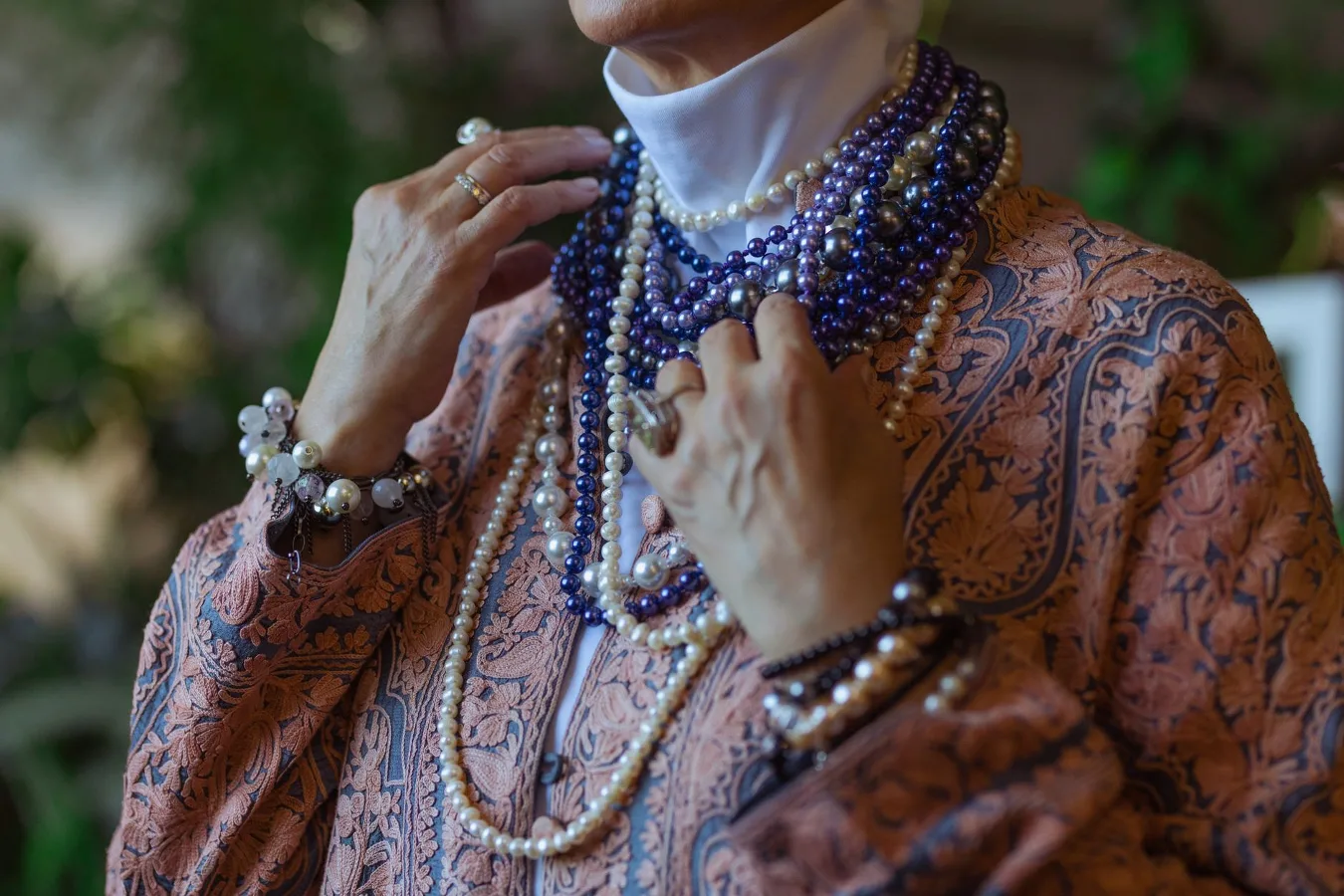
Statement jewelry fashion is about using one bold piece, or a coordinated set of bold pieces, to shape the look of an outfit. The goal is not to overpower everything else. It is to create a focal point that adds personality, polish, or drama without making the rest of the outfit feel crowded.
If you are shopping for statement jewelry, the best choice depends on more than style alone. Scale, comfort, outfit balance, and the occasion all matter. A necklace that looks perfect with a simple crewneck tee may feel too heavy with a delicate dress, while dramatic earrings can be the easiest way to elevate a clean, tailored look.
What statement jewelry does to an outfit
Statement jewelry works because it gives the eye a clear place to land. A sculptural necklace, oversized hoops, a wide cuff, or a bright cocktail ring can turn basic clothing into a deliberate outfit. That is why statement pieces are often used with simple silhouettes: the jewelry becomes the main design element.
This does not mean the clothing has to be plain. It means the jewelry and the outfit need a relationship. If the fabric already has strong texture, print, shine, or embellishment, the jewelry should usually support that story rather than compete with it. On the other hand, a clean shirt, knit dress, or monochrome suit can handle more visual weight from accessories.
Key factors to consider before you buy
Scale and proportion
Size matters, but not in isolation. A large piece can look elegant if it suits your frame, your neckline, and the rest of the outfit. A small person can wear bold jewelry, but the proportions may need to be more controlled. Similarly, a larger piece can be perfect for a high-impact evening look but feel too dominant for everyday wear.
Think about whether the jewelry creates harmony or tension with your clothes. A dramatic collar necklace works differently from a long pendant. Wide bangles make a different visual statement than slim stacked bracelets. Earrings also change the overall balance: a shoulder-grazing pair draws attention upward, while a chunky ring keeps the focus near the hands.
Comfort and wearability
Statement jewelry should feel wearable for the amount of time you expect to keep it on. Weight, movement, sharp edges, and closure design all affect comfort. A piece can look beautiful in a photograph and still be inconvenient if it pulls on the neck, catches hair, or shifts too much while you move.
This is especially relevant for earrings. Heavy earrings may be visually striking, but they are not always practical for long events, commuting, or full workdays. If you want impact with less strain, consider bold but lighter materials, smaller sculptural shapes, or a single standout piece rather than a full set.
Material and finish
Fashion jewelry often uses plated metals, resin, beads, enamel, glass, acrylic, mixed materials, or simulated stones. The material affects appearance, weight, maintenance, and how formal the piece feels. Polished metal can look sleek and modern. Textured or matte finishes can feel more artisanal. Bright resin or colorful stones often lean playful or fashion-forward. how to care for fashion jewelry offers more detail on this point. how to layer necklaces offers more detail on this point.
Finish also changes versatility. Neutral metals are easier to wear with a wide range of outfits, while colored pieces may be more memorable but less flexible. If you want one statement piece that earns frequent use, a design with some versatility is usually a better starting point than something tied to a very specific color palette.
Occasion and dress code
Statement jewelry should match the setting. A maximal necklace may work for an evening party, creative workplace, or special dinner, but not every environment calls for the same level of drama. More restrained statement pieces are often easier to wear in office settings or daytime social events.
A useful rule is to consider how much visual attention the occasion already demands. If the outfit is for a formal event, the jewelry can support elegance. If the event is casual, the same piece may feel too dressy unless the rest of the look is intentionally simple. best jewelry for a formal event offers more detail on this point.
How to choose the right type of statement piece
Necklaces
Bold necklaces are one of the most recognizable forms of statement jewelry fashion. They work best when the neckline leaves enough room for the piece to sit comfortably. Crew necks, scoop necks, open collars, and strapless styles often pair well with eye-catching necklaces, though the exact shape matters.
A common mistake is choosing a necklace that fights the neckline. If the garment already has strong detail near the collar, a large necklace can make the upper half look crowded. In that case, earrings or bracelets may be the better statement choice.
Earrings
Statement earrings are often the easiest way to create impact without changing the overall outfit structure. They are useful when you want the face to be the focal point or when you prefer to keep the neckline clean. Large hoops, chandelier earrings, geometric shapes, and sculptural drops all serve this role differently.
Comfort is a bigger factor here than many buyers expect. A dramatic earring can be a great look for a shorter event, but it may be less practical if you need to wear it for hours. Check how the earring is balanced, where it sits, and whether the closure feels secure.
Bracelets and cuffs
Bracelets can be a subtle way to add statement energy, especially if you prefer not to wear bold pieces near the face. A cuff, stacked bangles, or a wide bracelet can work beautifully with short sleeves or rolled cuffs. The look is strongest when the wrist area is visible enough to frame the jewelry.
Bracelets also need to move well with your daily routine. If you type often, handle bags, or prefer very practical accessories, a bulky bracelet may be more decorative than functional. That is not a flaw, but it is worth considering before you buy.
Rings
Statement rings offer impact in a smaller area and can be ideal for people who want a bold touch without committing to a large necklace or heavy earrings. They pair well with simple manicures, tailored outfits, and looks that need just one confident accent.
The main trade-off is coordination. If you already wear a lot of bracelets or a dramatic watch, a large ring may add too much activity to the hand area. In that case, keep the other accessories quiet.
Styling statement jewelry without overdoing it
The easiest way to wear statement jewelry is to let it lead. Choose one primary focal point, then keep the rest of the accessories more restrained. That does not mean everything else must disappear. It means the other elements should support the same overall mood.
- If you wear bold earrings, consider a simpler necklace or no necklace at all.
- If you wear a strong necklace, keep earrings smaller and less reflective.
- If you choose a dramatic cuff, simplify rings and watch styling.
- If your outfit already has print or embellishment, use cleaner jewelry lines.
Texture matters too. A shiny metal piece may look sharp with crisp cotton, satin, or tailored fabric, while resin, beads, or mixed materials can feel more relaxed. This is one reason statement jewelry is so effective: it can either sharpen an outfit or soften it, depending on the material and finish.
Color coordination should be thoughtful rather than exact. Matching jewelry to every color in the outfit can feel forced. A better approach is to repeat one tone, echo a finish, or create contrast intentionally. Gold jewelry often warms neutral palettes; silver can reinforce a clean, cool look; colored stones or enamel can introduce a deliberate accent.
What shoppers often overlook
One of the most overlooked parts of buying statement jewelry is how often you will actually wear it. Many bold pieces are attractive but too specific to become regular favorites. That is not a problem if you are shopping for a special occasion, but it matters if you want long-term value.
Another common misconception is that statement jewelry must always be large. That is not true. A piece can be statement-worthy because of shape, color, texture, craftsmanship, or contrast rather than sheer size. A sculptural earring or a sharply designed ring can feel more distinctive than a bigger but less considered piece.
It is also easy to underestimate maintenance. Fashion jewelry may require more careful storage than fine jewelry because plated finishes, beads, and decorative components can be more sensitive to scratches, moisture, and friction. If a piece is likely to be tossed into a drawer, it may not stay looking its best for long.
Practical buying guidance by use case
For everyday outfits
If you want statement jewelry for regular wear, choose pieces that are bold but not cumbersome. Clean shapes, moderate size, and neutral colors tend to be the most versatile. The best everyday statement piece usually works with multiple necklines and does not require a very specific outfit to make sense.
For workwear
In office settings, restraint usually helps. Think polished rather than oversized. A modern cuff, structured earrings, or a refined pendant with an unusual shape can add interest without feeling too loud. The aim is to look intentional, not distracting.
For special occasions
Evening events and celebrations are where statement jewelry can be more dramatic. This is the time for stronger shine, bolder silhouettes, and more decorative details. Still, comfort matters because events often last longer than expected. A gorgeous piece that is difficult to wear may not be the best choice if you want to enjoy the occasion.
For travel
Travel-friendly statement jewelry should be easy to pack and less likely to tangle, scratch, or lose shape. Compact designs and secure closures are useful. Very delicate pieces or styles with many loose parts may be better left for home unless the trip specifically calls for them.
Alternatives if statement jewelry feels too bold
If you like the idea of a focal accessory but do not want a full statement piece, there are quieter alternatives. A textured pendant, medium hoop earrings, a slim cuff with an unusual finish, or a ring with a distinctive shape can deliver personality without dominating the outfit.
Layering is another option, but it works best with restraint. A few delicate pieces can create visual interest without the commitment of a single oversized item. This approach is especially useful if you want more flexibility across different outfits and settings.
Common mistakes to avoid
- Choosing a piece that is too heavy for long wear.
- Matching bold jewelry with a busy outfit and creating visual clutter.
- Ignoring neckline, sleeve length, or hairstyle when choosing the piece.
- Buying something striking that does not fit your actual wardrobe.
- Overlooking storage and care needs for plated or decorative materials.
The best statement jewelry is not just eye-catching. It is useful in your wardrobe. If a piece only works with one outfit, it may be more of a special prop than a practical accessory.
How to decide what to buy
A simple decision path can help narrow the options. Start with the outfit or occasions you want to support. Then decide which area of the body you want to emphasize: face, neckline, wrist, or hand. After that, consider comfort, material, and how often you want to wear the piece.
If you are still undecided, ask three questions before buying: Will this work with at least three outfits I already own? Can I wear it for the length of time I need? Does it feel distinctive without becoming difficult to style? If the answer is yes to all three, the piece is more likely to earn real use.
FAQ
What counts as statement jewelry?
Statement jewelry is any accessory designed to stand out visually, whether through size, shape, color, texture, or detail. It can be a large necklace, bold earrings, a sculptural cuff, or a ring with a distinctive design.
How do I wear statement jewelry with a simple outfit?
Keep the clothing clean and let the jewelry do the work. Solid colors, minimal prints, and simple silhouettes usually give bold accessories enough room to stand out.
Can statement jewelry be worn every day?
Yes, if the piece is comfortable, versatile, and not too fragile. Many people reserve the largest or most dramatic styles for special occasions and choose smaller statement pieces for daily wear.
Should I mix statement jewelry with other bold accessories?
You can, but balance matters. If one piece is very dramatic, keep the other accessories quieter so the look feels intentional instead of crowded.
What is the easiest statement piece to start with?
Many shoppers find oversized earrings or a single bold necklace easiest to style because they create impact without requiring a full accessory overhaul.