

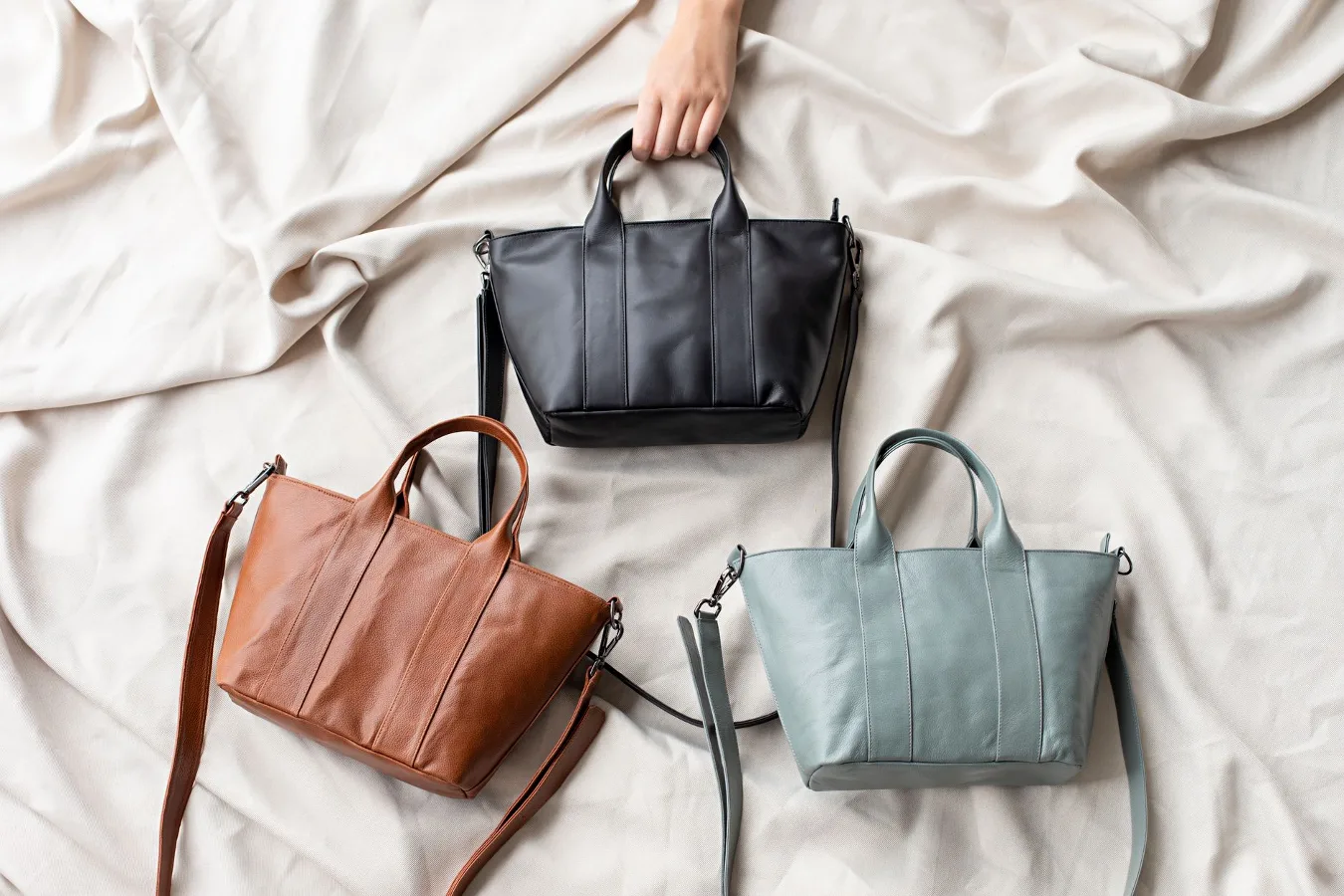
Can a designer bag really work as a diaper bag?
Yes—sometimes very well. A designer bag can function as a diaper bag if it gives you enough space, opens easily, stays comfortable to carry, and can handle the realities of baby life without constant fuss. The better question is not whether it is a designer bag, but whether the bag fits your actual routine.
For some parents, a roomy tote, satchel, or oversized shoulder bag is an elegant stand-in for a traditional diaper bag. For others, the lack of dedicated bottle pockets, wipeable lining, or stroller straps becomes frustrating fast. The best choice depends on how much gear you carry, how often you’re out, and how much organization you want built into the bag itself. choosing the right bag size offers more detail on this point.
A designer bag-as-diaper-bag setup can be especially appealing if you want one bag that still feels polished after the baby stage. The trade-off is that many fashion-first bags are not designed around messes, quick access, or heavy daily loads. That does not make them a bad choice. It just means you need to be selective.
When it makes sense
This approach works best in a few specific situations. If you usually carry a lighter baby kit—diapers, wipes, a change of clothes, a small snack, a bottle, and a few personal items—a generous tote or structured handbag can be enough. It also makes sense if you prefer a bag that blends into work, errands, or dinner plans rather than looking like nursery gear. red guccissima bag offers more detail on this point.
It can be a smart choice for parents who already own a designer bag they love and want to get more use out of it. A versatile bag that fits both family life and non-parent outings often offers better long-term value than a specialty bag used only for one stage.
That said, it works better for some lifestyles than others. If you are regularly packing multiple bottles, a full spare outfit, toys, burp cloths, snacks, and diapering supplies for more than one child, a fashion bag may feel cramped or awkward. The more items you carry, the more you need structure, pockets, and forgiving materials.
Step-by-step criteria for choosing the right bag
1. Start with capacity, not brand name
Begin by laying out what you actually carry on a normal day. A diaper bag does not need to hold everything you might need in theory; it needs to hold what you use in real life. If your typical kit includes only the essentials, a large handbag may be enough. If the list keeps growing, a more purpose-built bag may be the better fit.
Look at the bag’s usable interior rather than its outside dimensions alone. A bag can appear roomy and still be difficult to pack if the opening is narrow or the shape tapers too much at the top. Structured bags often keep their shape beautifully, but that same structure can make bulky baby items harder to fit.
2. Check the opening and access points
Fast access matters more than many shoppers expect. Babies do not wait politely while you dig through layers of pouches. A wide top opening, secure but easy-to-open closure, and pockets you can reach without unpacking half the bag make daily life easier. bags with easy-access compartments offers more detail on this point.
This is where some designer bags fall short. Beautiful flap closures, drawstrings, and deep bucket shapes may look polished but can slow you down when you need wipes or a pacifier quickly. A bag that opens and closes in one motion is usually more practical than one that requires several steps.
3. Pay attention to materials and maintenance
Baby life is hard on bag interiors. Bottles can leak, snacks crumble, and wipes packages are not always as tidy as they seem. Smooth leather, coated canvas, and other easy-to-clean surfaces generally handle daily family use better than highly delicate fabrics or finishes that stain easily.
Interior lining matters too. A light-colored lining can make it easier to see what is inside, while a dark or textured lining may hide crumbs and spills. Still, visibility is not enough on its own. If the lining is hard to wipe clean, a quick spill can become a lasting annoyance.
Some parents add a removable organizer insert to protect the interior and create pockets where the original bag has none. That can improve usability dramatically, though it also adds weight and reduces some of the flexibility that makes a handbag appealing in the first place.
4. Think about carry comfort
Once a bag is filled with diapers, bottles, water, and a few extras, the weight can add up quickly. A bag that feels chic on the shelf may become uncomfortable after a few hours on your shoulder. Wider straps, balanced weight distribution, and a shape that does not dig into the body make a meaningful difference.
If you often walk long distances, navigate airports, or carry a baby while holding the bag, hands-free options become more attractive. Even if you prefer the look of a designer tote, you may want to compare it with a backpack-style diaper bag or a crossbody carry for certain days.
5. Evaluate structure versus flexibility
Structured bags hold their shape and often look more polished. They can also protect contents from getting crushed. The downside is that rigid walls and narrow corners may waste space or make it harder to pack irregularly shaped items like changing mats, muslin cloths, and snack containers.
Slouchier bags usually adapt better to real-world packing. They are often easier to stuff at the last minute, but they can become messy if they lack internal organization. The right answer depends on whether you value visual polish or packing flexibility more.
6. Consider security and closures
Busy errands, public transit, and crowded restaurants all make secure closures worth paying attention to. Zippers generally offer more peace of mind than open tops or simple magnetic closures. If a bag has a soft opening, it may be better for short outings than for all-day use.
Security is not only about theft prevention. A good closure helps keep snacks, small toys, and personal items from falling out when you set the bag down or tip it sideways to reach the bottom.
What works well in a designer bag diaper setup
The most successful setups usually rely on a few simple habits. Instead of trying to recreate a full nursery in one handbag, parents often keep the bag streamlined and intentional. A compact pouch system helps: one pouch for diapering supplies, one for feeding items, one for your own essentials.
An organizer insert can be useful if your bag has little internal structure. It helps prevent loose items from drifting to the bottom and can make a fashion bag feel much more functional. The trade-off is that inserts can eat into precious space, so they work best in generously sized totes.
Water-resistant pouches are another practical addition. They are especially useful for items that can leak or get messy, such as spare clothes after a spill, pacifier accessories, or opened snack bags. If the designer bag itself is more delicate, the pouches add a layer of protection without changing the look too much.
Parents who keep a minimalist diaper kit often do best with a designer bag. The more you can narrow the contents to essentials, the more realistic it becomes to use a non-traditional bag every day.
Where a designer bag falls short
The biggest limitation is usually organization. Diaper bags are designed around quick changes, repeated access, and a mix of wet, dry, clean, and dirty items. Many fashion bags are not. That means you may spend more time packing thoughtfully, unpacking carefully, and remembering where each item lives.
Another common drawback is durability under daily stress. Even a high-quality bag may not be ideal for constant wiping, frequent floor placement, or repeated overpacking. If you expect the bag to absorb heavy use without any wear concerns, a style-first bag may be disappointing.
There is also a practical misconception worth correcting: a larger designer bag is not automatically a better diaper bag. A big bag with no pockets can be more annoying than a slightly smaller bag with smart compartments. Useful design matters more than size alone.
Finally, some designer bags are not especially friendly to baby-related messes. Delicate suede, highly textured fabric, pale untreated materials, and complicated hardware can all raise the cost of keeping the bag in good condition. If you know spills and wipes will be a regular part of life, choose carefully.
Designer bag vs. dedicated diaper bag
| Factor | Designer bag as diaper bag | Dedicated diaper bag |
|---|---|---|
| Style | Looks polished and versatile | Usually more casual and utility-focused |
| Organization | Often depends on inserts or pouches | Built-in compartments are common |
| Cleaning | Varies widely by material and finish | Often designed with wipeable surfaces |
| Comfort | Can be excellent or awkward depending on shape | Usually optimized for daily carry |
| Longevity beyond baby years | Often stronger reuse potential | May feel too specialized later |
The best option depends on what you value more: seamless style or purpose-built convenience. For some parents, the ability to use one bag across seasons of life matters more than every baby-specific feature. For others, the right diaper bag saves time every single day, and that matters more than aesthetics.
Practical examples of good use cases
A structured leather tote can work well for a parent who mostly does short outings, carries a small pack of diapers, and likes to keep personal items separate in pouches. It may be less ideal for a long travel day, but for coffee runs, appointments, and casual lunches it can feel like the perfect compromise.
A roomy canvas designer tote may suit someone who wants a lighter look and does not mind using inserts for organization. Canvas can be easier to live with than more delicate materials, though it still benefits from spill protection and careful packing.
A luxury shoulder bag with a wide opening may be useful for quick trips when you only need the absolute essentials. By contrast, a bucket bag or flap bag can be stylish but may slow you down if you reach inside frequently.
A simple packing checklist
If you want to use a designer bag as a diaper bag, keep the setup disciplined. A tidy bag is easier to live with, easier to clean, and more likely to still look good after repeated use.
- Diapers: pack only the number you realistically need for the outing
- Wipes: choose a resealable pack or a pouch that protects against leaks
- Changing mat: keep one flat item that fits without distorting the bag
- Spare clothes: store in a compact pouch or bag
- Feeding items: use sealed containers or insulated holders when needed
- Personal essentials: wallet, keys, phone, and lip balm should still be easy to reach
- Cleanup items: a small disposable bag or wet bag can help with messes
The goal is not to overload the bag. The goal is to make it functional enough that you do not resent using it.
Common mistakes to avoid
One common mistake is choosing a bag based only on appearance. A beautiful bag that is too heavy, too deep, or too delicate can become an everyday frustration. Another is assuming that an organizer insert will solve every problem. Inserts help, but they cannot change a poor opening, a slippery interior, or an uncomfortable strap.
Overpacking is another frequent issue. A designer bag can tempt people to treat it like a catch-all, but once it becomes too heavy, the benefit of carrying a stylish bag disappears. Keep the contents edited and rotate out things you do not need for that specific outing.
Some parents also overlook cleaning access. If you cannot easily wipe the lining or reach into the corners, even a small spill can become annoying. Think through maintenance before you commit.
A quick decision checklist
- Can the bag fit your essential baby items without forcing them in?
- Does it open quickly enough for one-handed access?
- Is the material realistic for spills, crumbs, and frequent use?
- Will it still feel comfortable after being loaded down?
- Can you keep it organized with pouches or an insert?
- Does it fit the places you go most often?
- Will you still want to carry it after the novelty wears off?
If you answer yes to most of these, a designer bag can be a very workable diaper bag alternative. If several answers are uncertain, a dedicated diaper bag may save you time and irritation.
The practical takeaway
A designer bag as a diaper bag is not a gimmick. For the right parent, it is a smart, flexible choice that combines style and everyday usefulness. But it works best when the bag matches the realities of baby gear: quick access, forgiving materials, enough structure to stay organized, and a shape that does not become awkward once packed.
Think of it as a decision about function first and fashion second, even if the fashion is what drew you in. The most useful bag is the one that fits your routine, your packing style, and the kind of days you actually live.