

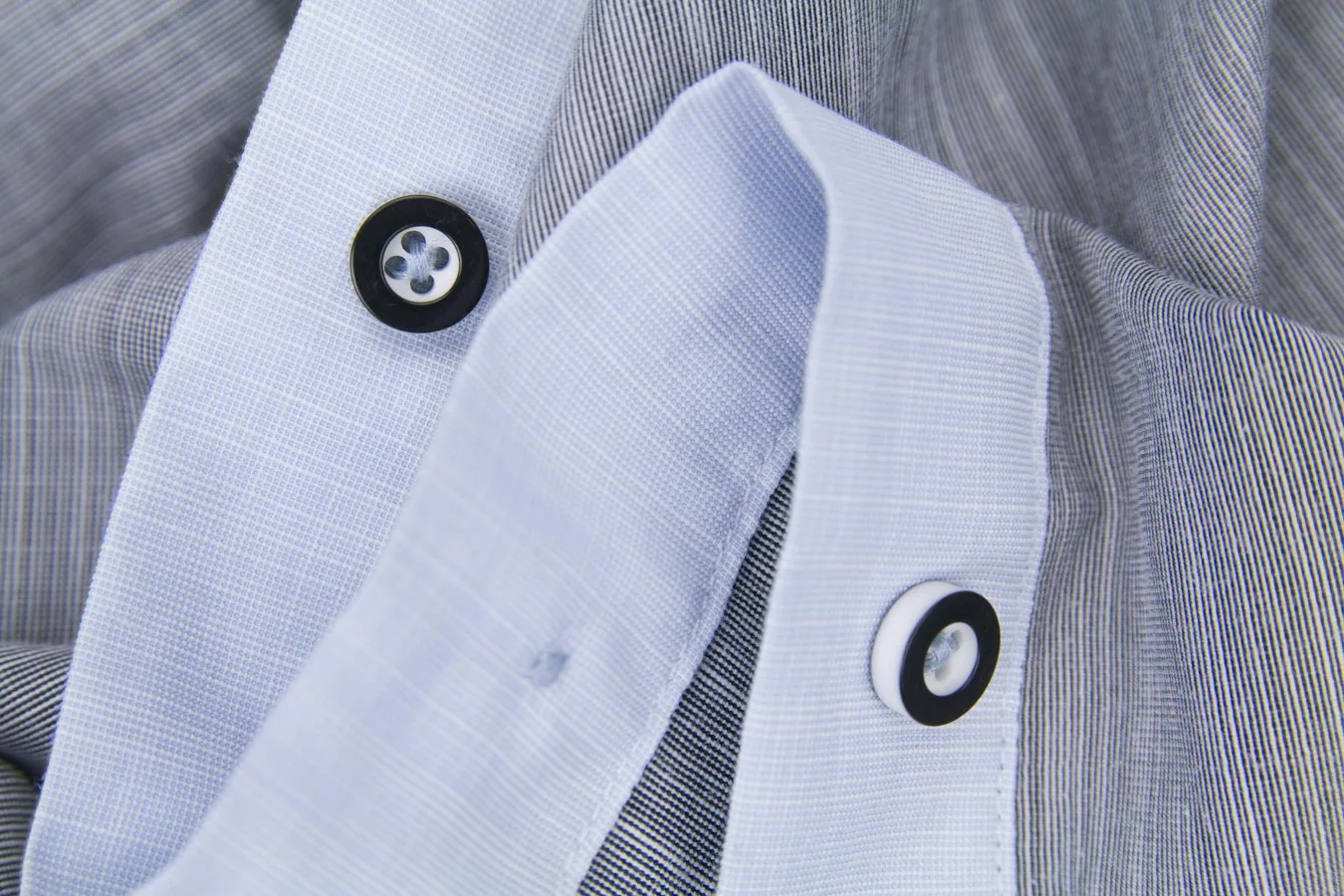
If you want the short answer: cotton is the best cloth material for shirts for most people. It offers the most balanced mix of breathability, comfort, versatility, and easy styling, which is why it works so well for everyday wear, office shirts, and many dress shirts. best laundry detergent for cloth diapers offers more detail on this point. Best Shade Cloth for Phoenix Gardens offers more detail on this point.
That said, cotton is not the only strong choice. Linen is better in heat, cotton blends can reduce wrinkles and maintenance, and fabrics like oxford cloth, twill, poplin, and broadcloth each serve different needs. The best material depends less on a single “winner” and more on how the shirt will be worn.
When the fabric matters most
Shirt material affects almost every part of the wearing experience: how the shirt feels against the skin, how it drapes, whether it wrinkles quickly, how warm it feels, and how formal it looks. A fabric that works beautifully for a crisp office shirt may feel too structured for casual weekends. A breezy summer fabric may look relaxed in a way that does not suit business settings.
That is the main reason “best” is not one-size-fits-all. The right choice changes with climate, use case, and how much care you are willing to give the shirt. If you only remember one thing, let it be this: fabric should match the setting before it matches a trend.
The best shirt materials, and where each one fits
Cotton: the most versatile choice
Cotton remains the default recommendation for a reason. It is soft, breathable, widely available, and adaptable to many shirt styles. Depending on the weave, it can look crisp, relaxed, or polished.
For shirts, cotton appears in several important forms:
- Poplin: smooth, lightweight, and clean-looking; common in dress shirts.
- Oxford: slightly heavier and more textured; a staple for casual and smart-casual shirts.
- Twill: has a subtle diagonal weave, often drapes nicely and resists wrinkles better than very plain weaves.
- Broadcloth: smooth and fine, often used for dressier shirts.
Best for: office wear, everyday button-downs, dress shirts, and people who want one fabric family that can do a lot of different jobs.
Trade-off: cotton can wrinkle, and some lighter versions show moisture more easily. Quality varies a lot by fiber length, weave, and construction, so “cotton” alone does not tell the full story.
Linen: the strongest warm-weather option
Linen is a smart choice for hot, humid weather because it feels airy and dries quickly. It has a relaxed texture that gives shirts an easy, lived-in character. best shirts for hot weather offers more detail on this point.
Its biggest strength is also its biggest limitation: linen wrinkles readily. For some people, that is part of the appeal. For others, it reads as too casual or too high-maintenance. Linen shirts usually work best when you embrace the texture rather than try to keep them perfectly smooth.
Best for: summer shirts, vacation wear, relaxed weekends, and climates where breathability matters more than a crisp finish.
Trade-off: it tends to look less formal and often needs more thoughtful care if you want it to keep its shape and texture.
Cotton-linen blends: a practical middle ground
If you like the feel of linen but want something easier to live with, a cotton-linen blend can make sense. Blends often soften the hard edges of pure linen while keeping some of its breathability and texture. They also tend to wrinkle, but usually in a less dramatic way than pure linen.
Best for: warm-weather shirts that still need a neater appearance, travel wardrobes, and people who want texture without fully committing to linen’s rustic look.
Trade-off: results depend heavily on the blend ratio and fabric construction, so not all blends behave the same way.
Oxford cloth: durable, casual, and easy to wear
Oxford cloth is not a fiber; it is a weave, usually in cotton. It has a basket-like texture that feels sturdy and slightly less formal than smooth dress shirt fabrics. That makes it one of the most dependable shirt materials for casual and business-casual wardrobes.
Best for: button-down shirts, layered outfits, casual offices, and people who want a shirt that looks good without feeling overly polished.
Trade-off: it can look too relaxed for formal dress codes.
Twill: a refined option with better drape
Twill shirts have a diagonal weave that often gives them a smooth hand feel and a better drape than many plain weaves. They can look elegant without being fragile, which makes them useful for dress shirts that still need comfort.
Best for: office wear, dress shirts, and situations where you want a softer structure than poplin.
Trade-off: some twills feel heavier or warmer than lighter cotton weaves, so they may not be ideal for very hot weather.
Performance blends: convenience first
Some shirts use cotton blended with polyester or other synthetic fibers to improve wrinkle resistance, drying time, or stretch. These fabrics can be useful if you want easy care and a shirt that holds its shape through a long day or frequent travel.
Best for: commuters, travelers, people who dislike ironing, and anyone who wants low-maintenance shirts.
Trade-off: the shirt may not breathe as well as a well-made natural fiber version, and some blends can feel less refined or less breathable depending on the construction.
Silk and specialty fabrics: situational, not universal
Silk can be luxurious and smooth, but it is rarely the practical answer for an everyday shirt. It is more sensitive to care, can feel too delicate for routine wear, and does not suit most wardrobes as a first choice. Other specialty fabrics may be useful in niche settings, but they are not usually the best starting point if you want a dependable shirt fabric.
Best for: occasional dressier use or specific style preferences.
Trade-off: maintenance, cost, and versatility often make them less practical than cotton-based options.
How to choose the right material step by step
1. Start with the setting
The first question is not “What is the best fabric?” It is “Where will I wear this shirt?”
- Office or meetings: cotton poplin, twill, or a refined cotton blend.
- Hot-weather casual wear: linen or a linen blend.
- Everyday smart-casual: Oxford cloth or midweight cotton.
- Travel and low-maintenance use: wrinkle-resistant cotton blends.
The more formal the setting, the more you should lean toward smoother, cleaner-looking fabrics. The hotter and more relaxed the setting, the more texture and breathability matter.
2. Decide how much upkeep you will accept
Maintenance is one of the most overlooked parts of shirt shopping. A beautiful fabric is not a great choice if it becomes a burden to care for.
- If you want easy care, look for blends or wrinkle-resistant constructions.
- If you do not mind ironing, cotton offers the widest range of options.
- If you prefer a relaxed look and less concern over creasing, linen may suit you well.
Many shoppers focus on softness and ignore maintenance until after purchase. That is a common mistake. A shirt that fits your routine will get worn far more often than one that looks ideal on the hanger but feels inconvenient in real life.
3. Match the fabric to the climate
Climate matters more than many buyers realize. In warm, humid conditions, breathability is usually the top priority. In cooler or heavily air-conditioned environments, a slightly heavier weave may feel better and hold its shape more effectively.
- Hot and humid: linen, lightweight cotton, airy weaves.
- Mild or changing weather: poplin, Oxford, or lightweight twill.
- Cooler settings: midweight cotton or twill for a bit more substance.
The overlooked nuance here is that breathability is not only about fiber content. Weave, thickness, and finishing all change how a shirt feels in use.
4. Think about drape and appearance
Two shirts can both be made of cotton and still look completely different. One may hang close to the body with a crisp edge. Another may fall more softly and look relaxed. That difference comes from weave, weight, and finishing.
If you want a sharp, tailored look, choose fabrics that hold a cleaner line. If you prefer an easy, less structured silhouette, look for softer weaves and more textured materials. This is especially relevant if you care about how a shirt layers under a jacket or overshirt.
5. Check how the fabric behaves in real wear
Material choice should reflect more than a product description. Ask practical questions:
- Does it wrinkle quickly?
- Does it feel too warm for the season?
- Will it work tucked or untucked?
- Does it match the level of formality you need?
- Will it still look good after several hours of wear?
These questions help separate the truly useful fabrics from the ones that only sound appealing in theory.
Examples of good fabric choices by use case
| Use case | Better fabric choices | Why they work |
|---|---|---|
| Business dress shirt | Poplin, twill, fine broadcloth | Clean appearance, polished finish, good layering |
| Business casual | Oxford cloth, midweight cotton, soft twill | Balanced formality and comfort |
| Hot-weather casual | Linen, linen blends, lightweight cotton | Breathability and airflow |
| Travel shirt | Wrinkle-resistant cotton blends | Lower maintenance and easier packing |
| Everyday wear | Cotton oxford, versatile cotton weaves | Comfort, durability, broad styling range |
This kind of use-case matching is often more helpful than shopping by fabric name alone. A fabric that is excellent in one context can be mediocre in another.
Common mistakes shoppers make
- Choosing fabric by softness alone. Softness matters, but it does not guarantee breathability, durability, or a good drape.
- Ignoring weave. Cotton poplin and cotton Oxford behave very differently even though both are cotton.
- Overlooking maintenance. A shirt that wrinkles too fast may stop being worn, no matter how good it looks online.
- Assuming blends are always better. A blend can improve convenience, but it can also reduce breathability or change the feel in ways you may not like.
- Picking a fabric that does not fit the occasion. A relaxed linen shirt can be great, but it may not belong in a more formal office setting.
A simple checklist before you buy
Use this checklist to narrow the field quickly:
- Do I need the shirt for formal, business, or casual wear?
- Will I be wearing it in heat, air conditioning, or cooler weather?
- How much wrinkling am I willing to accept?
- Do I want a crisp finish or a softer drape?
- Will I wear it often enough to prioritize easy care?
- Does the fabric match my wardrobe and layering habits?
If the shirt passes these questions, the material is probably a practical fit rather than just a nice-sounding option.
The most balanced answer for most buyers
If you want one material that works for the widest range of shirt needs, cotton is still the safest and most versatile choice. For a more polished look, choose a cotton poplin or twill. For more casual wear, Oxford cloth is hard to beat. If heat is your main concern, linen becomes more compelling. If low maintenance matters most, a well-considered blend may be the smarter buy.
The best cloth material for shirts is not the fanciest one. It is the one that fits your climate, your routine, and the way you actually wear clothes.