

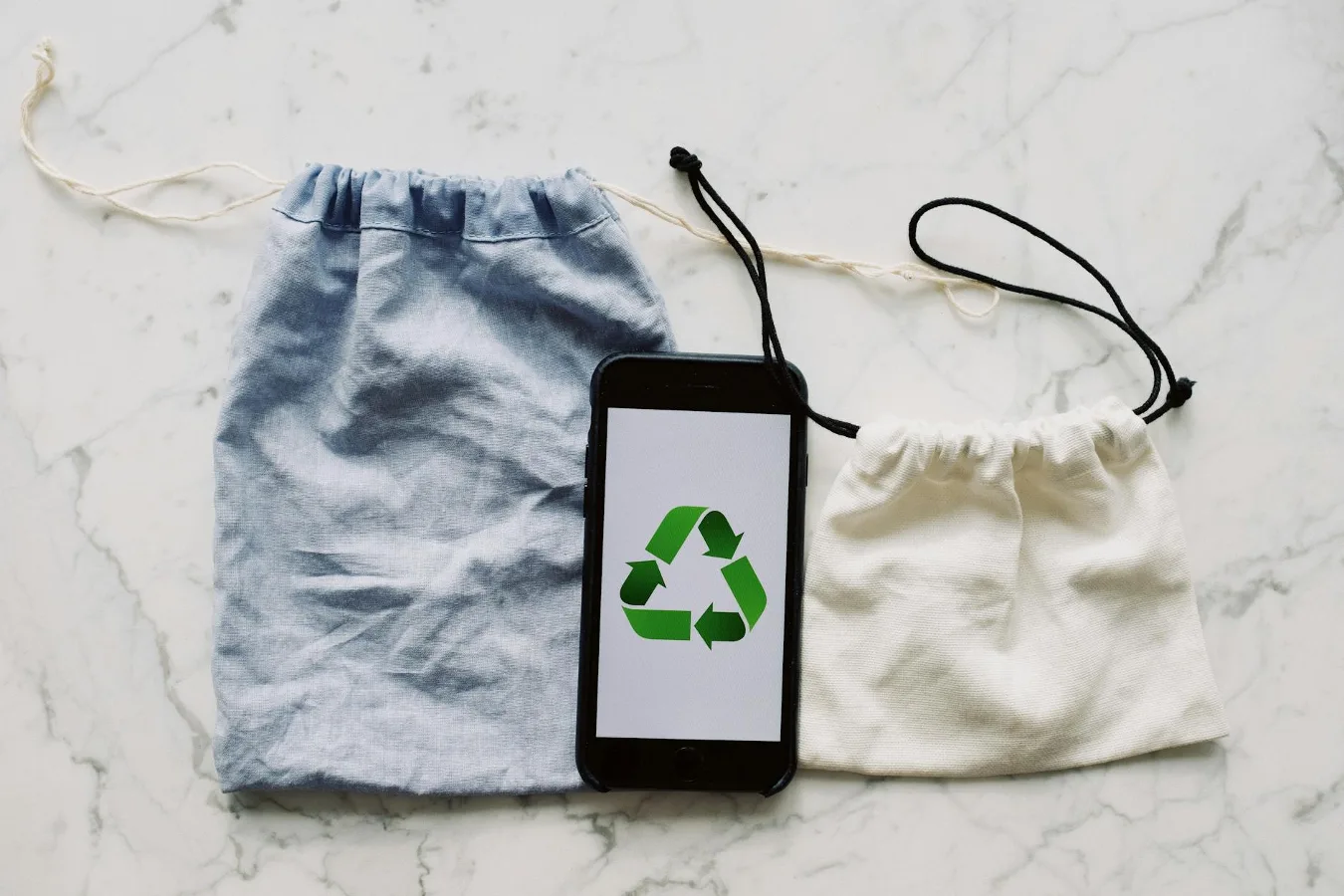
A cinch bag is a lightweight bag that closes by pulling a cord or drawstring at the top. Most people use it for quick trips, gym clothes, school items, promotional giveaways, or any situation where a simple, easy-to-carry bag makes more sense than a structured backpack or tote. drawstring bag basics offers more detail on this point. how to choose a gym bag offers more detail on this point.
The appeal is straightforward: it is usually compact, flexible, and fast to open or close. That convenience also explains its limits. A cinch bag is not built to replace every type of everyday bag, and it is not ideal for heavy loads, fragile items, or situations that call for firm organization.
When a cinch bag makes sense
A cinch bag works best when the goal is light, flexible carry rather than maximum support or organization. Think of it as a grab-and-go bag for short outings and low-bulk essentials.
It is especially practical if you want something that folds down easily, takes up little storage space, and does not require much effort to use. That makes it a common choice for gym visits, recreational sports, beach days, convention swag, and casual errands.
It also fits users who prefer a minimal setup. If you do not need padded laptop protection, rigid structure, or multiple compartments, a cinch bag can feel refreshingly uncomplicated.
What a cinch bag is, in plain terms
At the simplest level, a cinch bag is a soft bag with an opening secured by cords. Pull the cords, and the top gathers closed. Loosen them, and the opening opens again. Many versions can be worn over one shoulder or as a basic backpack-style carry, depending on the strap design.
That basic design is part of its strength. There are fewer moving parts than in a travel backpack, no zippers to fuss with on the main opening, and usually less bulk overall. But that simplicity also means fewer ways to separate gear, protect contents, or stabilize the load.
Step-by-step: how to judge whether one fits your needs
1. Start with the contents you plan to carry
The first question is not the bag itself, but what will go inside it. A cinch bag is a good fit for items like a water bottle, a change of clothes, sandals, notebooks, snacks, or other relatively soft essentials. If your routine includes a laptop, camera equipment, delicate cosmetics, or anything that can be crushed, you may want a more structured bag instead.
2. Think about how often you need access
If you want a bag that opens and closes quickly throughout the day, the drawstring design can be convenient. If you need to reach inside frequently and keep everything visible, the simple main compartment may feel limiting. In that case, look for models with front zip pockets or side pockets, or consider a backpack with better organization.
3. Match the bag to the load
Cinch bags are usually best for light to moderate loads. The more weight you add, the more likely you are to notice strain on the cords and shoulder area. A cinch bag may still carry the load, but comfort can decline quickly if the contents are dense or awkwardly shaped.
4. Decide how important comfort is
Some cinch bags use thin cords that can dig into the shoulder if the bag is heavy. Others use wider straps or padded sections that improve wearability. If you expect to carry the bag for long stretches, strap design becomes more important than many shoppers realize.
Key features worth comparing
Not all cinch bags are equally useful. The differences matter most in daily wear, durability, and comfort.
- Material: Common options include polyester, nylon, canvas, and blends. Smoother synthetics often feel lighter, while canvas can feel sturdier but heavier.
- Closure quality: The cord should glide smoothly and hold the opening securely without snagging.
- Strap comfort: Look at cord thickness, strap width, and whether the bag can be worn in more than one way.
- Interior layout: A single compartment is the norm, but pockets can improve usability.
- Shape and structure: Some bags are almost flat when empty, while others have a bit more body and stand up better when loaded.
- Water resistance: Some materials handle light moisture better than others, but most cinch bags are not fully waterproof unless specifically designed that way.
One overlooked detail is how the opening behaves when the bag is full. A cinch bag that closes neatly when lightly packed can become awkward when overfilled, making it harder to access items or draw the cords evenly. That is a common frustration, especially with low-cost versions.
Common uses and where they fall short
Cinch bags are practical in several everyday situations, but they are not universal solutions.
Good fits
- Gym or studio visits: Easy for clothing, shoes, a towel, and a water bottle.
- School activities: Useful for sports practice, field trips, or carrying a change of clothes.
- Travel extras: Handy as a secondary bag for day trips or souvenirs.
- Events and promotions: Often used because they are light, compact, and simple to distribute.
- Casual outings: Good for a few essentials when a full-size bag feels unnecessary.
Less ideal situations
- Work commutes: A cinch bag rarely offers the organization or protection many commuters need.
- Heavy grocery runs: Soft straps and simple construction are not ideal for weight.
- Electronics carry: Minimal padding makes it a weak choice for fragile gear.
- All-day use with many items: The lack of compartments can become annoying fast.
A common misconception is that a cinch bag is just a cheaper backpack. That is only partly true. It is better understood as a different tool with a different purpose: less structure, less separation, less support, and more simplicity.
Materials and durability: what usually matters most
For cinch bags, material choice influences not only durability but also how the bag feels and behaves in use. Polyester and nylon are common because they tend to be lightweight and easy to wipe clean. Canvas can feel more substantial, but it often adds weight and may absorb more moisture unless treated. canvas crossbody bag offers more detail on this point.
Seams and cord attachment points deserve attention too. A bag may look fine from the front yet fail early at stress points if the stitching is weak. That matters especially if the bag will regularly carry shoes, bottles, or other dense items.
If you need a bag for occasional use, a lighter build may be enough. If you expect frequent use, it makes sense to prioritize reinforced seams, sturdier cord routing, and a fabric that holds up to repeated pulling and abrasion.
Comfort and carry style
Comfort is one of the biggest trade-offs with cinch bags. Because the bag often hangs from cords rather than broad padded straps, the carry experience can feel less stable than a true backpack. The bag may also sway more when walking, biking, or moving through crowds.
Some people like the loose, minimal feel. Others find that even a small amount of weight creates pressure on one shoulder or causes the bag to shift uncomfortably. If you plan to carry it for long periods, look closely at whether the bag can be worn in a backpack-style configuration and whether the straps are wide enough to reduce strain.
For short use, the comfort trade-off is often acceptable. For longer outings, the simplicity that makes a cinch bag appealing can become a limitation.
How to choose the right cinch bag
If you are comparing options, the best choice usually comes down to a few practical criteria rather than features alone.
- List the items you will carry most often. This helps you avoid oversizing or choosing a bag with the wrong shape.
- Decide how much organization you actually need. If you only carry one or two categories of items, a single compartment may be enough.
- Check the strap design. Comfort and carry flexibility matter more than many shoppers expect.
- Examine the material. Match durability and cleanability to the setting where you will use it.
- Think about closure behavior. A smooth, reliable drawstring is part of the bag’s usefulness.
- Consider whether you need a pocket. Even one external pocket can make a big difference for keys, transit cards, or earbuds.
This is also where practical constraints matter. If you are choosing for a school, team, event, or organization, the bag may need to work for many different users. In that case, simplicity and broad usability may matter more than premium details.
Examples of real-world bag choices
The best cinch bag for one situation may be the wrong choice for another.
For gym use: A lightweight synthetic bag with a pocket for small items may be enough, especially if you are carrying clothes and shoes rather than fragile equipment.
For travel: A cinch bag can serve as a secondary bag for day outings, but a traveler who needs better organization may prefer a tote or compact backpack.
For kids or teens: Simplicity can be an advantage, though comfort and durability should not be ignored if the bag will be used often.
For events: Promotional cinch bags are convenient because they are easy to distribute and store, but they are usually best viewed as light-use items rather than long-term carry solutions.
Alternatives worth considering
If a cinch bag seems close but not quite right, a few alternatives may fit better.
- Backpack: Better for heavier loads, daily commuting, and organization.
- Tote bag: Useful when you want open access and a casual feel.
- Crossbody bag: Better for small essentials and hands-free movement.
- Packable backpack: A stronger option if you want compact storage but more support than a cinch bag offers.
- Gym duffel: Better for shoes, clothing, and bulkier gear.
These alternatives are not automatically better; they simply solve different problems. A cinch bag remains useful precisely because it does less and weighs less. The question is whether that trade-off matches your routine.
Checklist before you buy or use one
- Will I carry mostly lightweight items?
- Do I need one main compartment, or do I need pockets?
- Will I wear it for short periods or extended periods?
- Does the strap design feel comfortable enough for my use case?
- Is the material easy to clean and appropriate for the environment?
- Will the bag need to handle moisture, dirt, or abrasion?
- Is a cinch closure actually more convenient than a zipper for me?
If you answer yes to the first few questions and no to the heavier-duty needs, a cinch bag is likely a sensible fit. If the opposite is true, another bag style will probably serve you better.
The practical takeaway
A cinch bag is best understood as a simple, lightweight carry option for everyday situations where convenience matters more than structure. It is easy to use, easy to store, and often easy to live with. But it also has clear limits in comfort, organization, and load-bearing support.
That makes it a strong choice for gym visits, short outings, events, and light daily carry. It becomes a weaker choice when the load grows, the items need protection, or the bag has to do the job of a full backpack.
If you keep those trade-offs in mind, choosing a cinch bag becomes straightforward: focus on material, strap comfort, closure quality, and the kind of items you actually plan to carry.