

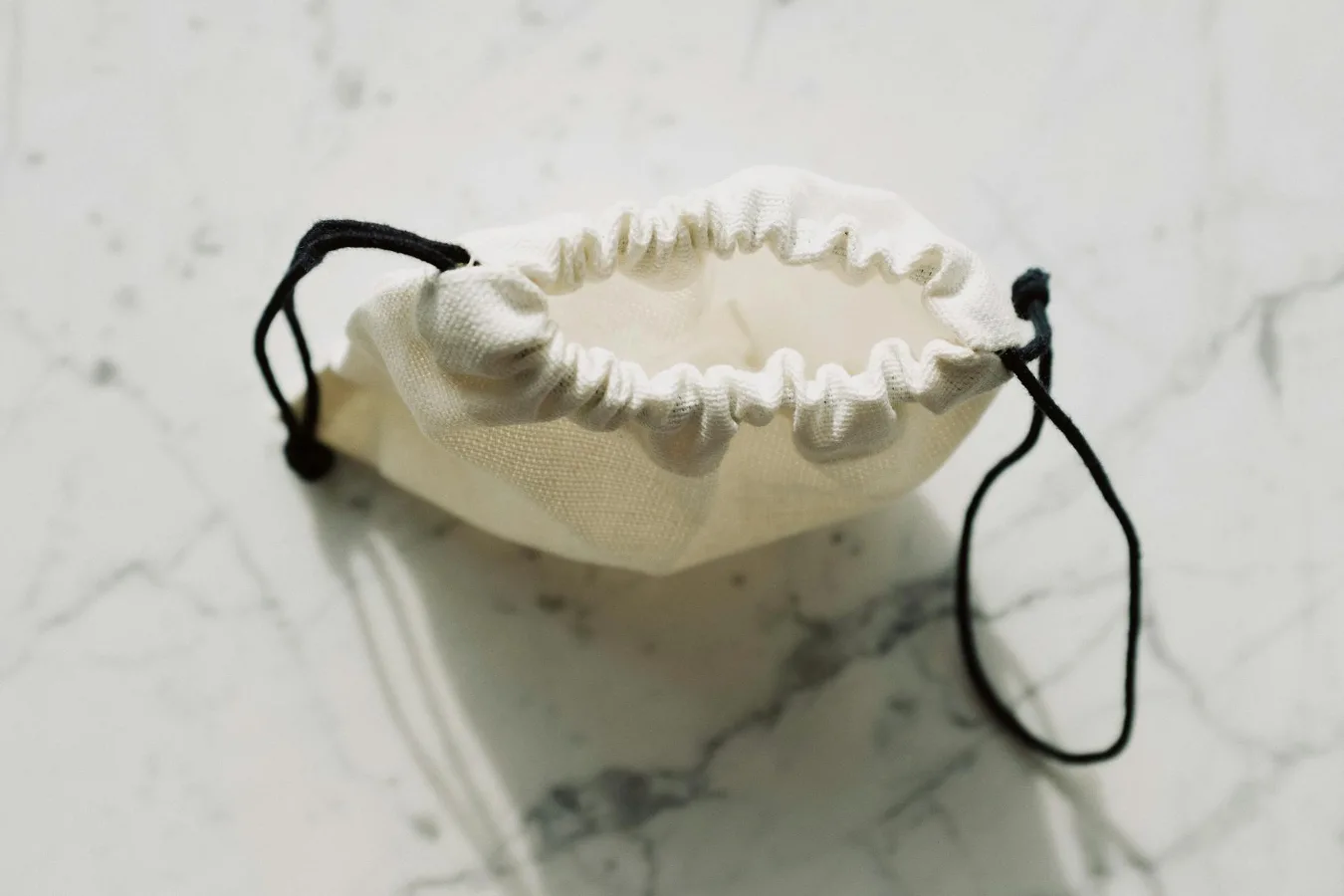
What a ditty bag is
A ditty bag is a small bag used to keep personal essentials together. People use the term for a simple carry bag, a pouch, or a compact organizer for items that would otherwise get lost at the bottom of a larger bag. Depending on the setting, it may hold toiletries, tools, cords, sewing supplies, grooming items, or small travel necessities. how to choose a pouch for travel offers more detail on this point.
The idea is straightforward: instead of scattering loose items, a ditty bag gives you one place to store the things you reach for often. That makes it useful for travel, boating, work, camping, and general organization at home.
One common misconception is that a ditty bag has to look a certain way. In practice, the term describes a purpose more than a strict design. It may be made from canvas, nylon, cotton, mesh, or other practical materials, and it may close with a zipper, drawstring, flap, or cord.
Why people use ditty bags
Ditty bags are popular because they solve a small but constant problem: loose essentials are annoying to manage. A well-chosen bag can save time, reduce clutter, and make packing more predictable.
- Travel: keep toiletries, chargers, medications, or small grooming items together.
- Boating and sailing: store personal items that need to stay contained and easy to grab.
- Work and hobbies: carry tools, parts, craft supplies, or repair items.
- Everyday organization: separate small items inside a backpack, tote, or larger duffel.
The value is less about the bag itself and more about the order it creates. For many people, a ditty bag becomes a small system that prevents overpacking and helps them find essentials quickly.
Key factors to consider before choosing one
Size and internal layout
The right size depends on what you plan to store. A bag that is too small becomes frustrating fast, while one that is oversized invites clutter. Think in terms of the items you carry most often, not the items you might carry someday.
If you only need a place for lip balm, earbuds, a pen, or a charging cable, a slim pouch may be enough. If you want to hold toiletries, a razor, soap, and several travel items, you will need more room and a shape that stays open long enough to pack comfortably.
Internal dividers can help, but they also add structure and bulk. For some users, a single open compartment is better because it keeps the bag simple and flexible. For others, pockets make the bag more useful by separating clean items from messy ones or fragile items from heavier ones.
Material and durability
Material matters because ditty bags are often handled frequently and packed with mixed contents. Canvas offers a classic look and holds its shape reasonably well. Nylon and polyester are often easier to wipe clean and can be lighter. Cotton feels softer and more casual, though it may show wear more quickly depending on use. Mesh is helpful when visibility and airflow matter, especially for damp or frequently accessed items.
Choose the material based on the environment, not just appearance. A sailing bag may need to handle moisture and rough use differently than a pouch that stays inside a suitcase. A bag used for toiletries benefits from easy cleaning. A bag for tools may need stronger stitching and a sturdier closure.
Closure type
The closure affects both convenience and security. A drawstring is quick and simple, which is why ditty bags have long been associated with that style. A zipper offers better containment for small objects and is often easier to trust inside a packed suitcase. Flap or snap closures can work for light use but may be less secure for tiny items.
For loose items like screws, buttons, cords, or grooming tools, a zipper usually makes sense. For softer contents or fast access, a drawstring can be enough. If you plan to reach in and out of the bag often, consider whether the closure slows you down or protects your contents the way you need.
Portability and packability
A good ditty bag should fit into a larger system without becoming a burden. If it is too rigid, it may take up more space than necessary. If it is too flimsy, it may collapse and make packing awkward. The best choice depends on whether you want structure or flexibility.
For travel, packability is often underrated. A slim bag can be tucked into a suitcase pocket or backpack compartment. A bulkier one may be more comfortable to use but less efficient when storage space is limited.
Ease of cleaning
This is one of the most overlooked considerations. Many people buy a pouch for organization, then realize later that it will regularly hold items that leak, shed residue, or collect dust. If you expect toiletries, makeup, snacks, or work materials, choose a material and construction that can be cleaned without much effort.
Some bags can be wiped down quickly, while others may need hand washing or more careful care. If the bag will travel often, simple maintenance becomes part of its value.
Practical uses by category
For travel
In travel use, a ditty bag is usually a compact organizer for items you want easy access to. It can work as a toiletries pouch, a cable pouch, a medication bag, or a small personal essentials kit. The best travel version is one that opens easily, closes securely, and fits into the rest of your luggage without wasting space.
A practical approach is to group items by category rather than by destination. For example, one bag for charging gear and another for hygiene items is usually easier to manage than one overstuffed catchall.
For boating or sailing
The term is especially familiar in boating contexts. On a boat, a ditty bag often serves as a personal storage bag for items that need to stay contained, protected, and within reach. Moisture resistance, sturdy stitching, and a secure closure become more important here than decorative detail. boat storage bags and pouches offers more detail on this point.
If the bag will be used near water, think carefully about whether it needs to dry quickly, resist splashes, or allow airflow. A bag that traps moisture can be inconvenient for damp gear.
For everyday carry
For everyday carry, ditty bags are useful inside backpacks, totes, and messenger bags. They help separate small items that otherwise tangle together, such as adapters, pens, first-aid basics, or personal care items. This is where small size and quick access matter most. canvas bags for everyday carry offers more detail on this point.
A common mistake is using a bag that is too specialized. A bag with too many fixed compartments may work well for one purpose but become awkward when your needs change. A simpler pouch often lasts longer as your routine changes.
For hobbies and work
Crafts, repair projects, and professional kits often benefit from a ditty bag because it keeps a specific set of tools together. The right choice depends on whether the contents are clean, sharp, delicate, messy, or frequently rearranged. Tools may require a tougher fabric and stronger seams, while craft supplies may benefit from visibility and easy sorting.
Here, the best bag is the one that matches your workflow. If you need to see contents at a glance, a mesh or light-colored pouch can help. If privacy or protection matters more, a denser fabric may be better.
Common mistakes when choosing one
- Buying by appearance alone: a stylish pouch is not automatically useful if the closure, size, or material does not fit your routine.
- Ignoring the contents: small sharp, wet, or messy items need different construction than dry, soft items.
- Choosing the wrong size: too small creates frustration; too large creates clutter.
- Overcomplicating the layout: too many pockets can make a simple organizer harder to use.
- Forgetting maintenance: if the bag will handle toiletries or outdoor use, cleaning should be easy.
A less obvious problem is mixing incompatible items. For example, combining clean clothing accessories with leak-prone products in the same pouch can defeat the purpose of using it in the first place. Separation matters as much as storage capacity.
How to decide which type makes sense
The best ditty bag for you depends on the context. Start with the use case, then narrow down the design.
| Use case | What to prioritize | What to avoid |
|---|---|---|
| Travel | Secure closure, easy cleaning, efficient packing | Bulky shapes, hard-to-clean fabrics |
| Boating | Durability, moisture handling, quick access | Fragile trims, closures that loosen easily |
| Everyday carry | Compact size, simple layout, portability | Overly complex compartments |
| Tools or hobby supplies | Strong stitching, useful organization, sturdy material | Thin fabric that wears quickly |
If you are undecided, a simple mid-size zippered pouch is often the most flexible starting point. It works for many everyday needs without locking you into a very specific setup. On the other hand, if you already know your contents are damp, messy, or frequently accessed, a more purpose-built design is likely worth it.
Useful alternatives to a ditty bag
Not every organization need requires a ditty bag. Depending on the job, another type of bag may work better.
- Toiletry bag: better for grooming and personal care items, especially if you want more structured storage.
- Travel pouch: a broad category that can include slim organizers for cables, documents, or accessories.
- Zip pouch: a simple option for small loose items that need containment.
- Drawstring pouch: useful when speed and simplicity matter more than structure.
- Gear bag: better for larger or heavier equipment that exceeds the scale of a traditional ditty bag.
The distinction is useful because people often search for a ditty bag when they really need a specific organizer. If your contents are delicate, the bag may need padding. If they are wet or dirty, cleanability matters more than softness. Matching the bag to the contents is usually more important than matching the label.
Care and maintenance basics
How you care for a ditty bag depends on the material, but a few habits help most of them last longer. Empty it regularly, remove debris, and check the seams and closure for wear. If the bag carries toiletries or outdoor items, clean it before residue builds up.
For bags that are machine washable, follow the care instructions on the item itself. For wipe-clean materials, use a mild cleaner that will not damage coatings or stitching. Let the bag dry fully before storing it again, especially if it has been used for damp gear.
Maintenance is easy to ignore because the bag is small, but that is exactly why small problems can go unnoticed. A broken zipper or worn seam usually appears only after repeated use, so occasional inspection is worthwhile.
Frequently asked questions
What is a ditty bag used for?
A ditty bag is used to store and organize small personal items. People commonly use it for travel essentials, toiletries, cords, tools, grooming items, or boat gear.
Is a ditty bag the same as a pouch?
Not exactly. A pouch is a broader term for a small bag, while ditty bag usually implies a practical personal storage bag. In everyday use, the terms can overlap.
Should a ditty bag have a zipper or drawstring?
It depends on what you carry. A zipper is better for secure containment and tiny items. A drawstring is quicker and may be more traditional or flexible for softer contents.
What size ditty bag is best?
The best size is the smallest one that fits your actual contents without forcing them. If you need room for bulky toiletries or multiple tools, go larger. If you are carrying only a few essentials, keep it compact.
What material is best for a ditty bag?
There is no single best material. Canvas is durable and classic, nylon is often practical and lightweight, cotton is simple and casual, and mesh works well when visibility or airflow matters.
Choosing a ditty bag with purpose
The most useful ditty bags are not the most complicated ones. They are the ones that fit a real routine, handle the right type of contents, and stay easy to use over time. If you focus on size, closure, material, and cleaning needs first, the right choice becomes much easier to identify.
For many people, the best ditty bag is simply a dependable small organizer that keeps daily essentials from disappearing into larger luggage or bags. That may sound modest, but good organization often depends on small tools like this working well every day.