

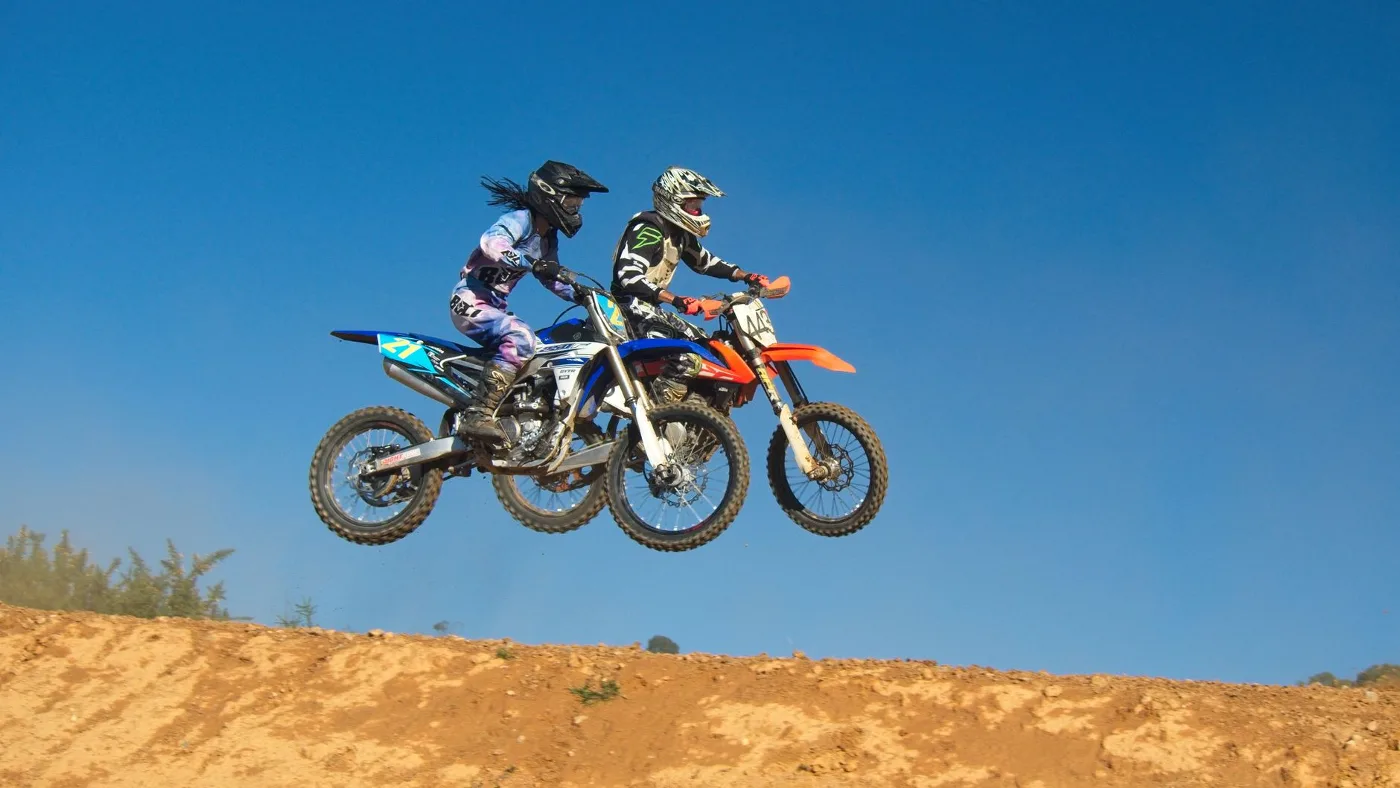
What dual sport motorcycle gear should do
Dual sport motorcycle gear has a specific job: protect you on pavement, stay functional on dirt, and remain comfortable when conditions change halfway through the ride. That makes it different from pure street gear and different from motocross kit. A good setup usually blends abrasion resistance, impact protection, ventilation, weather handling, and enough freedom of movement to stand on the pegs, shift body position, and deal with uneven terrain. dual sport gear offers more detail on this point.
The best choice is rarely the most armored or the lightest option. It is the one that matches your riding mix. A rider splitting time between highway miles and forest roads needs different priorities than someone spending most of the day on technical trails with short pavement connectors. best layering approach for riding in mixed weather offers more detail on this point.
Start with the ride, not the label
One common mistake is buying gear labeled “adventure” or “dual sport” and assuming it will fit every use case. The real question is how you ride.
- Mostly pavement with occasional gravel: lean toward comfort, abrasion resistance, and weather protection.
- Mixed road and dirt travel: prioritize adaptable layers, good airflow, and armor that stays in place.
- More technical off-road riding: mobility, heat management, and impact protection matter more than touring-style features.
- Cold or wet climates: waterproofing and layering may matter more than maximum venting.
This is the core trade-off with dual sport motorcycle gear. The more a jacket or pant tries to do everything, the more likely it is to compromise somewhere. That does not make it a bad choice, but it does mean you should be clear about what you are giving up.
Trade-offs that matter most
Dual sport gear sits between touring apparel and motocross equipment, and that middle ground creates useful advantages as well as limits.
Protection versus mobility
Heavier textile gear often offers better abrasion protection and weather coverage, but it can feel bulky when you are climbing over rocks, shifting weight in sand, or spending time standing. Lighter off-road-oriented pieces can move better but may expose more skin to weather and abrasion.
The practical question is whether your gear stays comfortable enough that you will wear it every time. A slightly less armored piece that you actually use is usually more valuable than a heavier one you leave hanging in the garage.
Ventilation versus weather coverage
Vent panels help on long warm rides, but open airflow can become a liability if temperatures drop or rain moves in. Some riders prefer removable liners, while others choose simple outer shells and build warmth underneath with base layers and midlayers. Each approach has limits.
Removable liners can add versatility, but they also add bulk and can be awkward to manage on the roadside. Simple shells are often easier to understand and easier to layer, but they may not feel as refined in rapidly changing weather.
Street abrasion versus trail freedom
On-road crash protection usually centers on abrasion resistance and impact armor in the shoulders, elbows, back, hips, and knees. Off-road riding also rewards freedom of movement, airflow, and the ability to move naturally over the bike. That is why some riders choose motocross-style boots, separate armor, or slimmer off-road shells, especially for aggressive trail use. choosing riding pants for street and trail use offers more detail on this point.
Material and construction factors worth checking
Materials matter because they shape how gear feels, wears, and protects. For dual sport motorcycle gear, look beyond brand positioning and pay attention to construction details.
Outer shell fabric
Textile shells are common because they offer a useful balance of durability, comfort, and weather adaptability. Different weaves and deniers are not a simple better-or-worse story; they influence weight, flexibility, and bulk. A stiffer shell may feel more protective, while a softer one may move better and pack smaller.
For riders who spend time in brush, mud, or repeated contact with gear, reinforceed panels in high-wear zones can be especially useful. Elbows, shoulders, seat areas, knees, and inner legs are worth closer inspection.
Armor placement and stability
Armor is only helpful if it stays where it should. Check whether elbow, shoulder, hip, and knee protectors sit naturally on your body in a riding position, not just while standing in a mirror. A jacket that looks fine upright can ride up or twist once you are on the bike.
Back protection is another area many riders underthink. Some jackets include a pocket for a separate back protector, while others come with basic padding. If you plan to upgrade, make sure the fit and pocket shape allow it.
Stretch zones and articulation
Panels at the shoulders, elbows, knees, crotch, and lower back can improve mobility. For dual sport use, articulation is not a luxury. It helps with standing, braking bumps, getting on and off the bike, and moving in a tucked or upright posture without the garment pulling tight.
Boot materials and sole design
Dual sport boots vary widely. Some are closer to touring boots with off-road traits, while others feel closer to motocross boots with extra walkability. Pay attention to ankle support, shin coverage, buckles or closures, and sole stiffness. A grippy sole helps when you are walking around camp or pushing the bike, but too much flex can reduce protection.
How to choose the right setup by rider scenario
Buying dual sport motorcycle gear becomes easier when you sort the decision by scenario instead of product category alone.
For riders who split time between highway and gravel
Look for a jacket and pant combination with solid abrasion resistance, reliable armor pockets, and ventilation that can be opened on hot days. A waterproof layer is useful if you ride in variable weather, but it should not make the gear so warm that you avoid wearing it.
This type of rider usually benefits from more touring-style features: pockets, adjustment straps, and compatibility with layered clothing. The downside is extra bulk, especially when standing in rough terrain.
For riders who spend more time off-road
Mobility and heat management often move to the top of the list. A lighter shell, separate impact protection, or a more trail-focused boot may make more sense than a heavy all-weather suit. If the ride includes difficult terrain, fit becomes critical, because loose gear can shift and interfere with movement.
The limitation is obvious: trail-friendly gear may not feel ideal at highway speed or in cold rain. Many riders solve that with modular layers rather than relying on a single heavy garment.
For commuters who also explore dirt roads
Comfort, visibility, and weather handling matter as much as impact protection. A commuter-friendly dual sport setup should be easy to put on, easy to adjust, and not so specialized that it feels inconvenient for everyday use. If gear is annoying during short rides, it often becomes gear you stop using.
Fit is not optional
Fit can make or break dual sport motorcycle gear. Loose garments can shift armor out of place. Tight garments can limit movement and cause hot spots. The right fit should work in a riding stance, with enough room for a base layer or midlayer if you use one.
Check the following before buying:
- Whether armor stays centered over joints when seated
- Whether sleeves and pant legs still cover wrists and ankles in riding position
- Whether the collar, cuffs, and waist seal comfortably without pinching
- Whether knee protection aligns when you bend your legs on the bike
- Whether you can move freely while standing on the pegs
A less obvious issue is boot-and-pant compatibility. Some pants fit over boots, while others are cut to tuck in or sit differently depending on the boot profile. That detail affects comfort, weather sealing, and ease of use more than many first-time buyers expect.
Weather handling: think in layers
For many riders, the smartest dual sport wardrobe is modular. That usually means a breathable base layer, an insulating midlayer for cold rides, and an outer shell that blocks wind, rain, and brush as needed.
This layered approach works because temperature, wind, humidity, and exertion all change during a ride. You may leave in cool air, warm up on a climb, and then cool down again on a shaded road. Gear that adapts with layers often has more real-world range than a single all-in-one garment.
There is a catch: layering only works if the fit remains usable. Too many layers can restrict movement or crowd armor placement. Before committing, consider how often you truly ride in very cold or very wet conditions. If the answer is “not often,” a simpler shell may be the better buy.
Common mistakes buyers make
Dual sport gear purchases often go wrong for predictable reasons.
- Choosing style over fit: gear that looks right but shifts around will be frustrating.
- Assuming waterproof means breathable: those qualities do not always travel together.
- Ignoring boot compatibility: the lower half of the outfit matters as much as the jacket.
- Overbuying features: extra pockets and liners are useful only if they fit your routine.
- Underestimating heat: gear that seems perfect in spring can feel unbearable in midsummer.
- Skipping gloves and neck coverage: comfort on mixed-surface rides depends on the full system, not one jacket.
An overlooked consideration is how often you stop and start. Dual sport rides typically include fuel stops, photo breaks, trail checks, and roadside adjustments. If gear is too fussy to remove or vent, it becomes less practical over the course of the day.
Useful alternatives if one-piece dual sport gear is not ideal
Not every rider needs a full dual sport suit. Depending on your priorities, these alternatives may work better:
- Separate street jacket and off-road pants: useful if you want more flexibility in sizing and upgrades.
- Adventure jacket with modular layers: helpful for long-distance riders in variable climates.
- Off-road jersey plus body armor: better for technical trails and high heat, with less weather protection.
- Touring gear with reinforced protection: suitable for mostly paved routes with occasional dirt access roads.
These setups can be better than a single “do-it-all” product because they let you optimize one part of the system without sacrificing the rest. The trade-off is complexity. More pieces mean more decisions, more packing, and more maintenance.
How to narrow your choice without overbuying
If you are building a setup from scratch, start with the pieces that affect protection and fit the most: jacket, pants, boots, gloves, and primary armor. Then decide whether you need waterproofing as part of the main garment or as a separate layer.
A simple decision path helps:
- Define your main riding surface: pavement, gravel, or technical trail.
- Decide whether weather protection must be built in or layered on.
- Check armor placement in the riding position, not just standing still.
- Confirm boot, pant, and glove compatibility.
- Choose the simplest setup you will realistically wear every time.
If you ride across multiple seasons, favor adaptability. If you mostly ride in one predictable season, prioritize comfort and ventilation. And if you are splitting time between dirt and highway, resist the temptation to chase extreme specialization in either direction.
What to look for next
Once you know your riding style, the next step is to compare gear by the features that actually affect daily use: armor stability, vent design, weather strategy, adjustability, boot compatibility, and ease of layering. Those details will tell you far more than marketing terms on a product page.
For a broader kit, it also helps to think in systems. Jacket, pants, gloves, boots, and base layers should work together rather than compete with each other. The best dual sport motorcycle gear is not the flashiest setup. It is the one that keeps you protected, comfortable, and willing to ride when the route changes from pavement to dirt without warning.