

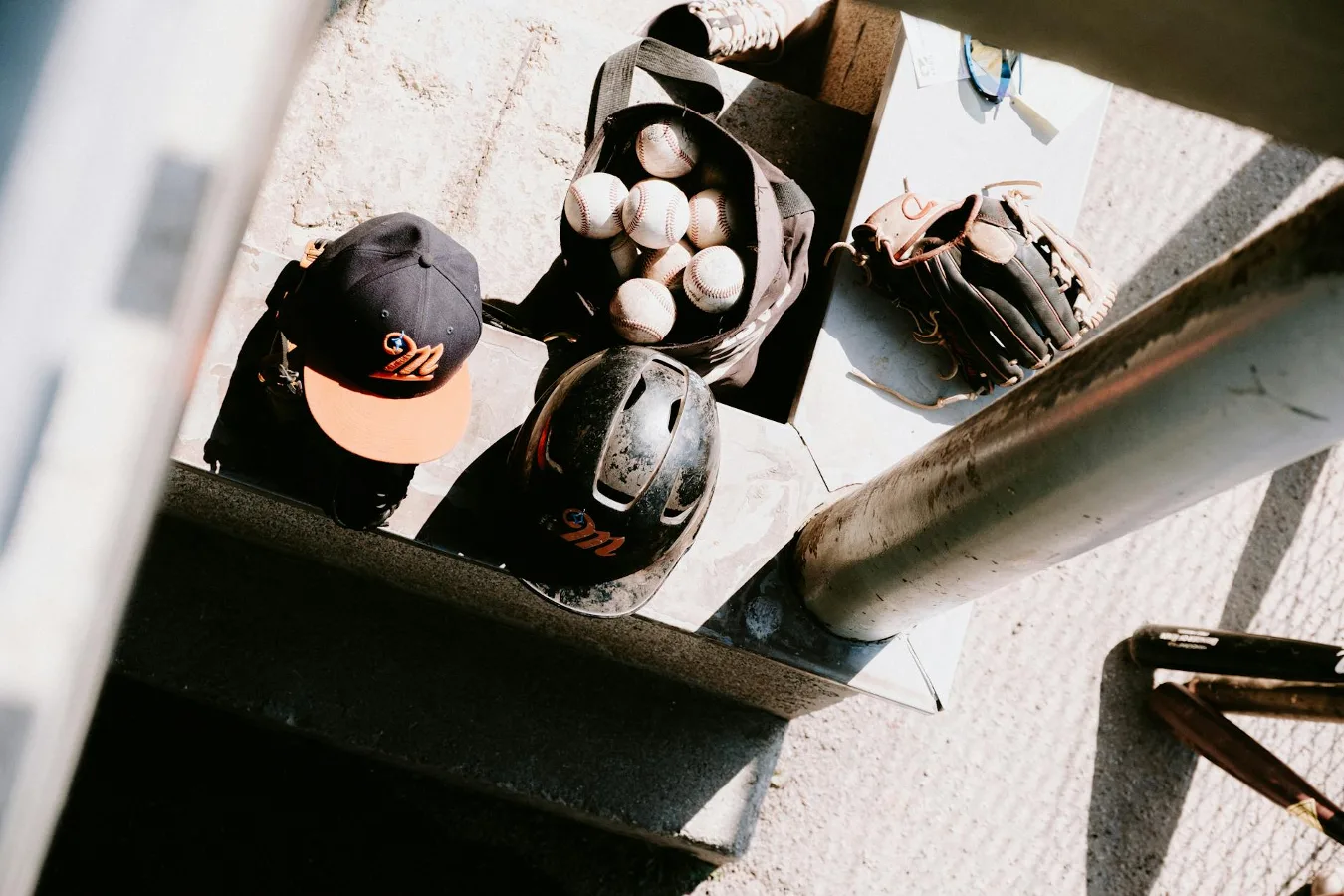
Mesh bags for sports gear are a simple answer to a common problem: how to carry equipment that needs airflow, drainage, or quick sorting. They work especially well for items that get damp, muddy, sandy, or easy to mix up with other gear. For many athletes, coaches, and parents, the main value is not just storage. It is the ability to keep gear visible, ventilated, and easier to clean up after use. sports gear storage basics offers more detail on this point. ventilated bags for sweaty gear offers more detail on this point. Sports Gear Storage Ideas That Actually Work offers more detail on this point.
The right mesh bag depends on what you are storing. A bag for cleats has different needs than one for swim gear, balls, shin guards, or team practice items. Size, closure style, mesh strength, handles, and washability all matter more than most shoppers expect. A bag can look practical at first glance and still be frustrating if it is too flimsy, too small, or awkward to carry.
When mesh bags make the most sense
Mesh bags are most useful when airflow matters more than full protection. That makes them a strong fit for sweaty uniforms, wet swim items, muddy shoes, training accessories, and smaller equipment that needs to dry between uses. They are also helpful for separating gear inside a larger duffel, especially when you want to keep clean items apart from dirty ones.
They are less ideal when the contents need padding, weather protection, or privacy. Mesh does not shield gear from rain, dust, or impact the way a structured sports bag does. If you need something for expensive electronics, fragile items, or gear that must stay completely dry, a mesh bag should be part of a larger system rather than the only carrier.
Step-by-step criteria for choosing one
1. Start with the gear you actually carry
List the items you plan to put in the bag. A bag for a single pair of shoes can be compact and lightweight. A bag for practice accessories, multiple balls, or a full set of training tools needs more room and stronger seams. This sounds obvious, but undersizing is one of the most common mistakes. Buyers often choose a bag by appearance and discover later that bulkier items do not fit comfortably.
Think in categories:
- Shoes and cleats: benefit from ventilation and easy cleaning.
- Wet or sandy items: need drainage and fast drying.
- Small accessories: need a tighter mesh or a reliable closure so they do not spill out.
- Team equipment: may need reinforced handles or a larger opening for fast access.
2. Match the mesh type to the purpose
Not all mesh behaves the same way. Finer mesh can help keep smaller items contained, but it may trap more moisture and reduce airflow slightly. Larger, looser mesh offers better ventilation and faster drying, but tiny items can slip through or snag more easily. For sports gear, the right balance depends on whether you are prioritizing drainage, containment, or abrasion resistance.
A common misconception is that all mesh bags are interchangeable. They are not. A lightweight drawstring bag for laundry-style transport is convenient, but it may not hold up well if you regularly carry heavier gear. A more structured mesh duffel or reinforced equipment bag may be a better choice if the bag needs to survive repeated use.
3. Check the closure and access style
Drawstring closures are quick and simple, which is useful when athletes need to pack up fast after practice. Zippered mesh bags offer better containment, especially for crowded team bags or gear that could fall out during travel. Some bags use buckles or toggle-style openings that sit somewhere in between.
The practical question is not which closure looks better, but how the bag will be used. If a coach or parent needs to grab and return items often, a wide opening may be more useful than a tight closure. If the bag will ride in a car trunk, locker room, or team bin, stronger closure hardware can reduce spills.
4. Look closely at reinforcement points
Mesh itself is only part of the story. Stress usually shows up first at seams, handles, drawcord channels, and zipper attachments. If those areas are weak, the bag may fail long before the mesh wears out. Reinforced stitching is especially important for heavier gear, irregularly shaped items, or frequent use.
This is one of the overlooked considerations that separates a practical bag from a frustrating one. A lightweight mesh bag may work beautifully for lightweight gear, but once seams start to stretch, the bag can lose shape and become harder to carry or close securely.
5. Consider cleaning and drying habits
One of the main reasons people choose mesh is to help gear dry out between uses. That only works if the bag itself is easy to maintain. Some mesh bags can be rinsed and air-dried quickly. Others hold odors or collect grit in the seams. If you expect the bag to handle mud, chlorinated items, or locker room grime, look for a design that is easy to shake out and simple to wash.
For families managing youth sports, this can save time and reduce the smell that often builds up in enclosed storage. For swimmers, beach athletes, or outdoor players, drainage and quick drying can matter more than extra structure.
Common use cases and what to prioritize
For shoes, cleats, and sandals
Ventilation and abrasion resistance matter most. Shoes can be heavy, so a weak bag may stretch or tear at the base. A bag with a reinforced bottom or thicker mesh is often more useful than an ultra-light version.
For wet swim gear
Drainage and fast drying are the key benefits. Mesh works well here because it allows moisture to escape instead of collecting at the bottom of a sealed pouch. Still, a fully open mesh design may not be ideal for very small items like goggles, clips, or ear plugs. Those are often better kept in a smaller inner case.
For balls and larger training equipment
Size and load handling become more important. A mesh bag for balls should be easy to carry without distorting too much under weight. If the bag will be tossed in and out of a vehicle or equipment room, reinforced handles and durable stitching matter more than decorative details.
For mixed team gear
Organization becomes the main advantage. Mesh bags can separate accessories by player, drill, or sport. That makes them useful for coaches and parents who need to keep tape, pinnies, cones, gloves, or other small items grouped without opening a larger gear bag every time.
Benefits and trade-offs
The biggest benefit of mesh bags for sports gear is visibility. You can usually see what is inside without unpacking everything. That helps with sorting, inventory, and quick cleanup. Airflow is another major advantage, especially for equipment that should not stay sealed after use. Mesh also tends to be lightweight, which keeps the carrying load down.
The trade-off is protection. Mesh offers limited shelter from weather and little padding for delicate items. It can also snag on rough surfaces, fence wire, or sharp gear edges. If you need a bag for travel through rain, rough fields, or crowded locker rooms, a mesh bag often works best as an interior organizer rather than the only outer layer.
Another practical limitation is privacy. Because contents are visible, mesh may not be ideal if you want valuables or personal items hidden. That is less of a concern for practice gear, but it is worth considering if the bag will be left in shared spaces.
A simple checklist before you buy
- Will the bag carry wet, muddy, sandy, or dry gear?
- Do you need airflow more than weather protection?
- Are you storing one item type or a mixed set of equipment?
- Is the closure secure enough for how you travel with the bag?
- Are the seams, handles, and bottom reinforced for the weight you expect?
- Will the bag be easy to rinse, shake out, and air-dry?
- Do you need a compact organizer or a larger equipment carrier?
- Will small items need an inner pouch so they do not slip through the mesh?
Examples of better fits versus poor fits
A mesh bag is usually a strong choice for post-practice cleats, swim items, sweaty training clothes, and small team accessories that need to dry. It can also be a smart secondary bag inside a larger duffel, where it keeps dirty items separated from clean ones.
It is usually a poor choice for items that should stay padded, private, or fully protected from weather. If you are carrying a laptop, medical supplies, expensive electronics, or fragile personal items, a structured bag with compartments will usually make more sense. Mesh can still help as an add-on organizer, but it should not replace a protective carrier in those cases.
Common mistakes to avoid
- Choosing size by guesswork: oversized or undersized bags become annoying quickly.
- Ignoring the bottom panel: the base often takes the most wear.
- Using mesh for tiny items alone: small accessories may fall out or snag.
- Expecting weather resistance: mesh helps with airflow, not rain protection.
- Overloading lightweight designs: they can stretch, distort, or fail at the seams.
- Forgetting odor control: a ventilated bag still needs cleaning and airing out.
Alternatives worth considering
If mesh does not quite fit the job, a few alternatives may be better depending on the sport and the way you travel.
- Mesh-top duffels: useful when you want both ventilation and more structure.
- Ventilated shoe bags: better for individual footwear and smaller loads.
- Water-resistant gear bags: better for wet weather and more protected transport.
- Compartmented equipment totes: better for mixed items that need separation and padding.
- Mesh laundry-style sacks: useful for sorting, but not always durable enough for heavier sports equipment.
FAQ
Are mesh bags good for sweaty sports gear?
Yes. They are especially useful for gear that needs airflow after practice or competition. That said, they do not replace cleaning. They help reduce trapped moisture, but the gear still needs to be washed or aired out properly.
Can mesh bags hold cleats or athletic shoes?
Yes, as long as the bag is sized well and the seams can handle the weight. For shoes, a reinforced base is often more helpful than a very thin lightweight design.
Do mesh bags protect gear from rain?
Not well. Mesh is designed for ventilation, not weather protection. If rain is a concern, look for a water-resistant outer bag and use mesh bags inside it.
What is the best mesh bag style for team sports?
That depends on the gear. Drawstring styles are convenient for quick sorting, while zippered or reinforced bags tend to work better for heavier or more active use.
How do I keep mesh sports bags from smelling?
Empty them after use, shake out dirt or grass, and let both the bag and the gear dry fully. If the bag is machine-washable, follow the care instructions so odor does not build up in seams and corners.
For sports gear, mesh bags work best when you treat them as a ventilation and organization tool rather than a universal storage solution. Once you match the bag to the gear type, the closure, reinforcement, and cleaning needs become much easier to judge. That is usually what separates a bag that gets used every week from one that gets forgotten in the trunk.