

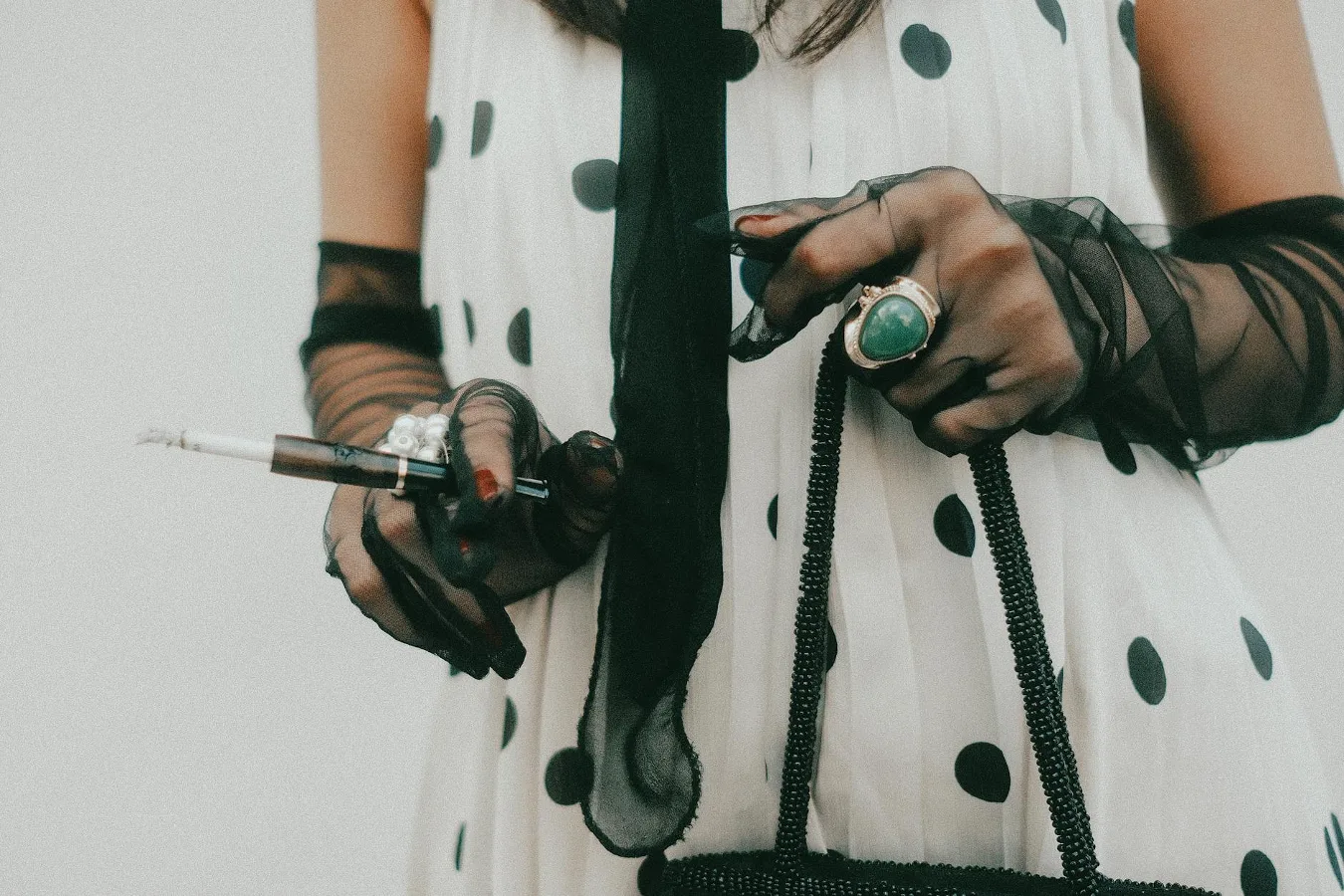
Retro fashion accessories are best understood as style shorthand: a few well-chosen details can make a modern outfit feel rooted in a specific era without turning it into a costume. The strongest pieces usually borrow from familiar decades such as the 1950s, 1960s, 1970s, or 1980s, then work them into everyday dressing in a way that feels intentional. how to style statement accessories offers more detail on this point. 1950 Fashion Accessories: A Style Guide offers more detail on this point. hippie fashion accessories offers more detail on this point.
If you are shopping for retro fashion accessories, the real question is not just what looks authentic. It is what fits your wardrobe, your comfort level, and how often you plan to wear it. That means paying attention to material quality, proportion, versatility, and how strongly the piece signals a particular decade.
Start with the look you want to create
Before choosing individual pieces, decide whether you want a subtle retro accent or a more obvious vintage-inspired statement. That choice affects everything from sunglasses to handbags.
A subtle approach works well if you want accessories that can move between workwear, casual outfits, and evening looks. Think of pearl studs, a slim cat-eye frame, a structured mini bag, or a silk scarf tied at the neck or wrist. These pieces suggest a retro mood without dominating the outfit.
A stronger vintage reference makes sense if you are dressing for themed events, creative work, or you simply prefer a more expressive style. In that case, bolder shapes like oversized hoops, chunky bangles, wide belts, boxy handbags, or printed headscarves may fit better. The key is to let one piece lead while the others stay quieter.
Buyer scenario: what kind of shopper are you?
Different shoppers need different retro accessories, and that is where many buying mistakes begin. A piece that looks perfect in a styled photo may not be useful in real life.
If you want everyday wear: focus on items that are easy to pair with multiple outfits. Neutral colors, moderate proportions, and comfortable materials matter more than exact decade accuracy. A retro-inspired belt, simple scarf, or modest pair of earrings usually offers more flexibility than a highly specific statement piece.
If you are building a vintage-inspired wardrobe: look for accessories that support a broader style language. You may want a mix of polished and playful items, such as cat-eye sunglasses, structured bags, gloves, brooches, or hair accessories that echo the same era.
If you dress for special occasions: consider how visible the accessory will be in photos and under different lighting. Shiny finishes, textured materials, and distinctive silhouettes often read well at a distance, but they can also become too dominant if the rest of the outfit is already busy.
If you are buying on a budget: prioritize the pieces you will actually wear. A small number of well-chosen accessories usually gives more value than a large assortment of novelty items that only work once or twice.
What makes a retro accessory work
Retro styling is not only about the decade it references. It is also about proportion, finish, and how the piece interacts with the rest of your outfit.
Silhouette and scale
One of the easiest mistakes is choosing an accessory that is too extreme for your frame or your clothing. A wide belt can sharpen a waistline, but it may feel overwhelming with a highly detailed dress. Oversized sunglasses can feel glamorous, but if the frame is too large for your face, the look loses balance.
Try to match the scale of the accessory to the clothing. Sleek tailoring pairs well with structured accessories. Loose, flowing clothing often works better with softer shapes, such as draped scarves or rounded bags.
Finish and surface texture
Retro style often relies on texture as much as shape. Patent shine, polished metal, faux pearl, satin, woven straw, enamel, and glossy acetate all create a different mood. Matte surfaces feel quieter and more modern; high-shine surfaces feel more period-specific.
This is a practical consideration, not just an aesthetic one. Highly reflective finishes can show wear quickly, while textured or brushed surfaces may be more forgiving. If you want accessories that hold up visually over time, choose finishes that still look good after repeated use.
Color and contrast
Color can push an accessory toward a particular era. Black, cream, red, tortoiseshell, gold, and soft pastels are especially common in retro-inspired styling, but they work differently depending on the outfit.
High contrast creates stronger vintage energy. A red hair scarf with a white blouse feels distinctly styled. A tortoiseshell sunglass frame against a monochrome outfit feels more restrained. If you already wear bold prints or saturated colors, a simpler accessory may create better balance.
Material and spec factors that matter most
For retro fashion accessories, the material often determines both the look and the longevity of the piece. Even when an item is inspired by a past decade, the modern construction should still make sense for your needs.
- Metal hardware: Look at clasp quality, hinge strength, and how the finish is applied. Thin or overly light hardware can make a bag or belt feel less durable.
- Acetate and plastic frames: Common in retro eyewear and hair accessories, these materials can deliver a convincing vintage look, but the fit and hinge quality matter as much as the style.
- Faux pearls and beads: These can be elegant, but surface coating and stringing quality affect how refined they appear.
- Textiles: Scarves, headbands, and gloves should feel comfortable against skin and hold their shape without constant adjustment.
- Leather and leather alternatives: Bags and belts need a good balance of structure and flexibility. Too stiff, and they can feel hard to wear; too soft, and they may lose the crisp retro silhouette.
One overlooked consideration is how the accessory ages visually. Some retro pieces are meant to look pristine, while others improve slightly with wear. For example, a structured belt or acetate frame often needs to stay crisp, while a scarf or soft bag may look better when it develops a lived-in quality. Knowing which effect you want helps avoid disappointment later.
Common retro accessory categories and how to use them
Retro accessories are easiest to manage when you think in categories rather than one-off trends. Each category plays a different role in the outfit.
Jewelry
Retro jewelry often includes pearls, signet rings, enamel pins, sculptural earrings, and chain details. Pearls feel especially versatile because they can read polished, classic, or deliberately vintage depending on the clothing around them.
The trade-off with statement jewelry is wearability. Larger earrings or chunky bracelets create a clear style point, but they may feel heavy or impractical for long wear. If comfort matters, choose a piece with visual impact but manageable weight.
Sunglasses
Cat-eye, oval, and softly angular frames are among the most recognizable retro shapes. They can be a strong anchor for an entire outfit, which makes them useful if you want a quick style update.
That said, eyewear is also a fit-driven purchase. Bridge fit, temple comfort, and lens coverage matter more than the era reference. A frame that looks right but sits poorly will rarely become a regular part of your wardrobe.
Hair accessories
Hair scarves, barrettes, headbands, bows, and combs can add retro character without a large investment. They are also among the easiest items to adjust for occasion, since they can be worn casually or dressed up.
The limitation is that some hair accessories depend heavily on hairstyle and hair texture. A piece that looks elegant on one person may need different placement or support on another. If you want versatility, choose styles that can be worn in more than one way.
Bags and clutches
Structured top-handle bags, small shoulder bags, and compact clutches often carry the strongest retro signal. They work especially well when the rest of the outfit is simple.
The practical constraint here is capacity. Retro-inspired bags can look beautiful but be less useful if they are too small for your daily essentials. If you need an everyday bag, compare style with storage before committing.
Belts and waist details
Belts are one of the most effective retro accessories because they change the shape of the entire outfit. A belt can emphasize the waist, sharpen a dress, or make high-rise trousers feel more intentional.
Fit is critical. A belt that pinches or sits awkwardly will be more annoying than flattering. Measure the waist or the intended placement, and think about how thick the belt should be relative to the garment it will be worn with.
Trade-offs to think through before buying
Retro fashion accessories often force a choice between authenticity, versatility, and comfort. You can usually get two of the three, but not always all three at once.
Authenticity versus wearability: A very specific era-inspired piece may look exciting, but it may be harder to style with a modern wardrobe. A toned-down version often gets more use.
Statement versus repetition: Bold accessories are memorable, but they can feel repetitive if they are too strongly linked to one outfit. More neutral retro pieces tend to work across multiple looks.
Trend appeal versus longevity: Some retro details cycle in and out of popularity. If you want a piece to last beyond the trend, choose classic shapes and avoid overly novelty-driven embellishments.
Looks versus comfort: Heavy earrings, tight headbands, or stiff shoes can undermine the appeal of a great outfit. Accessories should support the look, not create friction every time you wear them.
Styling retro accessories without crossing into costume
The biggest styling misconception is that more vintage detail automatically looks more authentic. In practice, restraint usually makes retro accents feel more believable.
A good rule is to choose one clear focal point. If you are wearing cat-eye sunglasses, keep the jewelry simpler. If you are using a patterned scarf, let the rest of the outfit stay relatively clean. If you want to wear several retro pieces at once, vary their visual weight so they do not compete.
Modern basics help ground the look. Straight-leg jeans, a crisp shirt, a simple knit, or a tailored blazer can make a retro accessory feel current rather than theatrical. That balance is especially useful if you are mixing eras or adding just one nostalgic detail.
Another useful nuance: texture can do more than literal theme. A polished belt, a structured bag, or a pearl detail may signal retro style even when the silhouette is understated. This is often the easiest path for shoppers who want the mood of vintage dressing without fully committing to a period look.
Common mistakes shoppers make
- Buying for the photo instead of real use: A stylish item that stays in a drawer is not a strong purchase, even if it looks great online.
- Ignoring proportion: Oversized accessories can overwhelm smaller frames, while tiny accessories can disappear under heavier clothing.
- Choosing too many statement pieces at once: Retro style works better when one item leads and the rest support it.
- Overlooking material feel: An accessory should not only look right; it should also feel comfortable and hold up to regular wear.
- Confusing vintage-inspired with costume-level detail: Small references often age better than pieces that copy every period cue at once.
How to decide what to buy next
If you are building a retro accessory collection from scratch, start with the pieces that will integrate most easily into your existing wardrobe. For many people, that means one or two of the following: a versatile pair of sunglasses, a belt that flatters several outfits, a scarf that can be worn in different ways, and a pair of earrings that works for both casual and dressed-up settings.
From there, add more expressive pieces only if they fill a real gap. A structured bag, a brooch, or a headband can add variety, but they should still make sense with the colors and silhouettes you already wear.
It also helps to think in terms of outfit roles. Some accessories are best at finishing a look. Others define the entire mood. Knowing which role a piece will play keeps the collection coherent and reduces impulse buys.
Next steps for building a better retro accessory wardrobe
Start by reviewing what you already own and identifying which retro cues show up naturally in your wardrobe: shape, color, hardware, or texture. Then decide whether you need a subtle everyday piece, a standout statement item, or a flexible accessory that can do both.
If you are comparing options, focus on three checks: Does it fit your outfit scale? Does the material feel practical for repeated wear? Does it work with at least three things you already own? Those questions usually lead to better choices than chasing a specific decade label.
Retro fashion accessories work best when they feel deliberate rather than decorative. The right piece should make your outfit clearer, not louder for the sake of it. That is what gives vintage-inspired styling its staying power.