

Start with the full guide
For the complete topic overview, read 1950s Fashion Accessories Guide
What 1950 fashion accessories were really about
1950 fashion accessories were designed to finish an outfit, not compete with it. The decade favored a polished, coordinated look: gloves that signaled formality, hats that framed the face, pearls that added softness, and handbags that held their shape. The overall effect was neat, feminine, and controlled, whether the outfit was a tailored suit, a full skirt, or an evening dress. accessories that work with circle skirts offers more detail on this point. 1920s mens fashion accessories offers more detail on this point.
If you are researching the style for a costume, a vintage-inspired wardrobe, or a modern outfit with midcentury influence, the key is understanding the role accessories played. They were not random add-ons. They reinforced silhouette, occasion, and social polish.
That is also why some accessories feel more “1950s” than others. The decade leaned toward structure, symmetry, and restraint. Flashy combinations existed, of course, but the most recognizable looks usually came from a few carefully chosen pieces.
When these accessories mattered most
The 1950s did not use accessories the same way for every setting. Daywear, workwear, church outfits, cocktail attire, and evening looks all called for different levels of formality. A woman dressing for errands might wear a simple scarf, a handbag, and low heels. A more formal outing could add gloves, a matching hat, and jewelry with a cleaner finish.
That context matters if you want the look to feel believable rather than costume-like. A full set of accessories can be elegant, but too many pieces at once can make an outfit feel overdone by modern standards. The strongest outfits usually choose one or two focal points and keep the rest restrained.
Step-by-step criteria for choosing 1950s-inspired accessories
1. Start with the outfit silhouette
Midcentury accessories worked with the shape of the clothing. A full skirt often looked best with a narrow belt, a compact handbag, and modest jewelry. A tailored dress or suit could support a structured hat and gloves. If the clothing is already dramatic, the accessories usually need to be simpler.
For a modern wardrobe, this is the easiest place to begin. Decide whether the clothing is the statement, or whether the accessories should carry the vintage reference. Trying to make every item equally bold usually weakens the look.
2. Match the level of formality
One overlooked detail is that 1950s accessories were heavily occasion-based. Gloves, hats, and polished handbags signaled a more dressed-up standard than many people wear today. A casual outfit can still borrow from the decade, but it should do so selectively.
For example, pearls and a structured bag can suggest the era without looking like formalwear. By contrast, gloves, a hat, and heels together create a stronger period impression. That can be perfect for themed events, but it may feel too precise for everyday wear.
3. Favor shape and finish over ornament
The most recognizable accessories from the decade often had clean lines. Boxy handbags, small clutches, neatly folded scarves, and classic pumps or kitten heels fit the mood. Surface detail mattered, but not in a cluttered way.
This is where many modern recreations go wrong. A 1950s-inspired look does not need every possible embellishment. In fact, too much rhinestone, fringe, lace, and shine can move the outfit away from authentic midcentury polish.
4. Decide how literal you want the reference to be
Some people want historically inspired dressing; others just want a retro touch. Both approaches work, but they require different choices.
- Historical-inspired: hat, gloves, pearls, structured bag, and a tailored shoe.
- Soft retro: pearl studs, a narrow belt, and a handbag with a vintage shape.
- Rockabilly-inspired: scarf, cat-eye sunglasses, bold belt, and a playful handbag.
The more literal the reference, the more important it becomes to keep proportions balanced. If the outfit already resembles a 1950s silhouette, a few accessories are usually enough.
Signature accessories that defined the decade
Hats
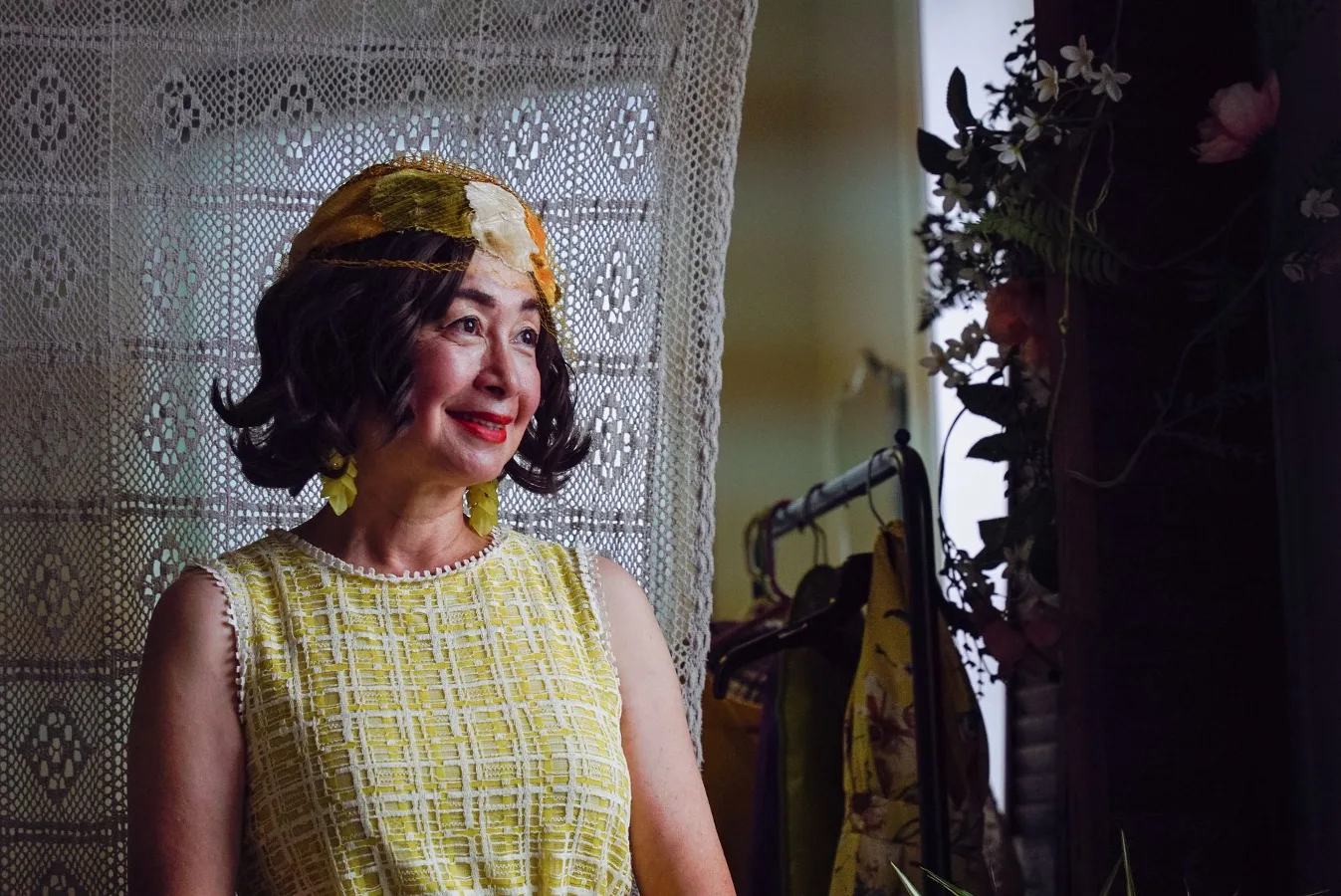
Hats were a major part of everyday and dressy dressing in the 1950s. Styles ranged from small, fitted pillbox hats to brimmed options and decorative pieces worn for special occasions. They helped shape the face and complete a tailored look.
For modern styling, hats are among the clearest ways to signal the era. The trade-off is practicality: hats make a stronger statement than jewelry or a scarf, and they require the rest of the outfit to support them. pearl jewelry styling ideas offers more detail on this point.
Gloves
Gloves were a marker of polish and etiquette. Shorter gloves worked for daytime and semi-formal outfits, while longer versions could feel more formal. Today, gloves are less common in everyday dressing, which makes them especially useful for editorial styling, events, and vintage-themed occasions.
Because gloves are so specific, they can quickly anchor an outfit in the decade. The drawback is that they can also feel costume-like if paired with pieces that are too casual.
Pearls
Pearls were a go-to choice for a soft, elegant finish. A single strand, pearl earrings, or a matching set could dress up a blouse, sweater set, or cocktail dress without overwhelming it. Their appeal came from restraint rather than size or sparkle.
Pearls remain one of the easiest ways to borrow from 1950s styling today. They are adaptable, but they work best when the rest of the outfit stays relatively clean and structured.
Scarves
Scarves were extremely versatile. They could be tied at the neck, draped over the shoulders, wrapped around the hair, or used to add a pop of color to an otherwise simple outfit. In the 1950s, they were both practical and decorative.
For modern wear, scarves are one of the most usable accessories from the decade. They offer retro flavor without requiring a full period wardrobe.
Handbags
Structured handbags were central to the look. Many had firm shapes, short handles, and a tidy profile that mirrored the decade’s love of order. Evening versions were smaller and more delicate, while daytime bags often looked practical but still polished.
The shape matters more than the label or decoration. A bag that holds its structure will usually feel more authentic than a slouchy or oversized style.
Belts
Belts helped define the waist, especially with fit-and-flare dresses and skirts. Narrow belts were common for daywear, while more visible styles could add emphasis to the silhouette. They were functional as well as decorative.
If you want the 1950s effect without committing to hats or gloves, a belt is one of the easiest starting points. It creates the right proportions and works well with many modern clothes.
Shoes
Kitten heels, pumps, and tidy low-heel styles fit the decade’s preference for grace over bulk. The shape mattered more than extreme height. Shoes were meant to complement the outfit rather than dominate it.
For contemporary wear, a moderate heel or simple pump can suggest the period without becoming uncomfortable or impractical. The common mistake is choosing shoes that look too chunky or too sporty for the rest of the look.
Sunglasses
Cat-eye sunglasses became one of the most recognizable accessories associated with the era. Their upward sweep added personality and a bit of glamour. They also worked especially well with hair set away from the face.
This style remains popular because it is both practical and distinctive. If you want a vintage cue that still feels wearable, this is one of the strongest options.
How to build a convincing 1950s-inspired look today
The easiest modern approach is to pick one accessory category as the star and keep the rest of the outfit quieter. For instance, a simple dress with pearls and a structured bag feels elegant without trying too hard. A cardigan, full skirt, and scarf can read as retro with very little effort. Cat-eye sunglasses can add a 1950s note even when the clothing is neutral.
Balance is the main decision-making skill here. A vintage-inspired outfit should usually have one clear period signal, not every accessory from the decade at once. That restraint is often what makes the look feel stylish rather than theatrical.
Examples of how the pieces work together
- Everyday retro: scarf, pearl studs, and a structured handbag with a simple dress.
- Polished daytime look: narrow belt, modest heels, and a small hat or hair accessory.
- Special occasion outfit: gloves, pearls, and a matching clutch with a fitted dress.
- Playful vintage look: cat-eye sunglasses, bold lipstick, and a waist-defining belt.
These combinations work because they follow the original logic of the decade: shaping the figure, keeping the look tidy, and adding detail with purpose.
Common mistakes to avoid
Mixing too many eras at once
A 1950s handbag paired with 1970s sunglasses, 1990s minimalism, and oversized modern sneakers creates confusion. A little cross-era blending is fine, but the more specific the accessories become, the more the rest of the outfit should support them.
Choosing the wrong scale
One of the easiest ways to lose the look is by choosing accessories that are too large or too casual. Oversized bags, heavy costume jewelry, or bulky shoes can overpower the refined silhouette associated with the decade.
Forgetting texture and finish
Midcentury accessories often relied on smooth surfaces, polished metals, compact shapes, and tidy fabric choices. Rough, distressed, or exaggeratedly distressed finishes can read as a different style entirely.
Assuming everything had to match perfectly
People often picture the 1950s as uniformly coordinated, but that can become rigid in modern styling. Coordinated is not the same as identical. A bag, scarf, and shoes do not need to be the exact same color to feel harmonious.
Practical checklist for shopping vintage or vintage-inspired pieces
- Does the piece have a clear shape rather than a sloppy one?
- Will it work with at least two outfits you already own?
- Does it suggest the decade without depending on a costume effect?
- Is the finish polished enough for the style you want?
- Does the size match the rest of your wardrobe proportions?
- Will you actually wear it beyond one themed occasion?
This checklist is useful because not every attractive vintage item is a good purchase. Some pieces look wonderful in photos but are difficult to wear. The best accessories are the ones that can move between inspiration and practicality.
What to choose if you only want one or two pieces
If you only want a small dose of 1950s style, start with pearls, a structured handbag, or cat-eye sunglasses. These are the most versatile entry points and the least likely to feel overly specific. A scarf is another strong option because it can be worn in several ways.
If your goal is a more complete period impression, add gloves or a hat after the basics are in place. That sequence matters. The foundation should be believable before the more theatrical elements enter the outfit.
For many modern wardrobes, the smartest approach is selective rather than literal. A well-chosen accessory can suggest the 1950s more effectively than a head-to-toe reenactment.
The lasting appeal of 1950 fashion accessories
These accessories continue to resonate because they solve a styling problem that never really goes away: how to make an outfit look finished. Their shapes are clear, their purpose is obvious, and they tend to flatter structured clothing. That makes them useful not only for vintage enthusiasts, but also for anyone who prefers elegance with definition.
The strongest 1950 fashion accessories are not the most ornate ones. They are the pieces that create a neat line, reinforce the silhouette, and keep the outfit visually composed. That is what gives the decade its enduring style value.