

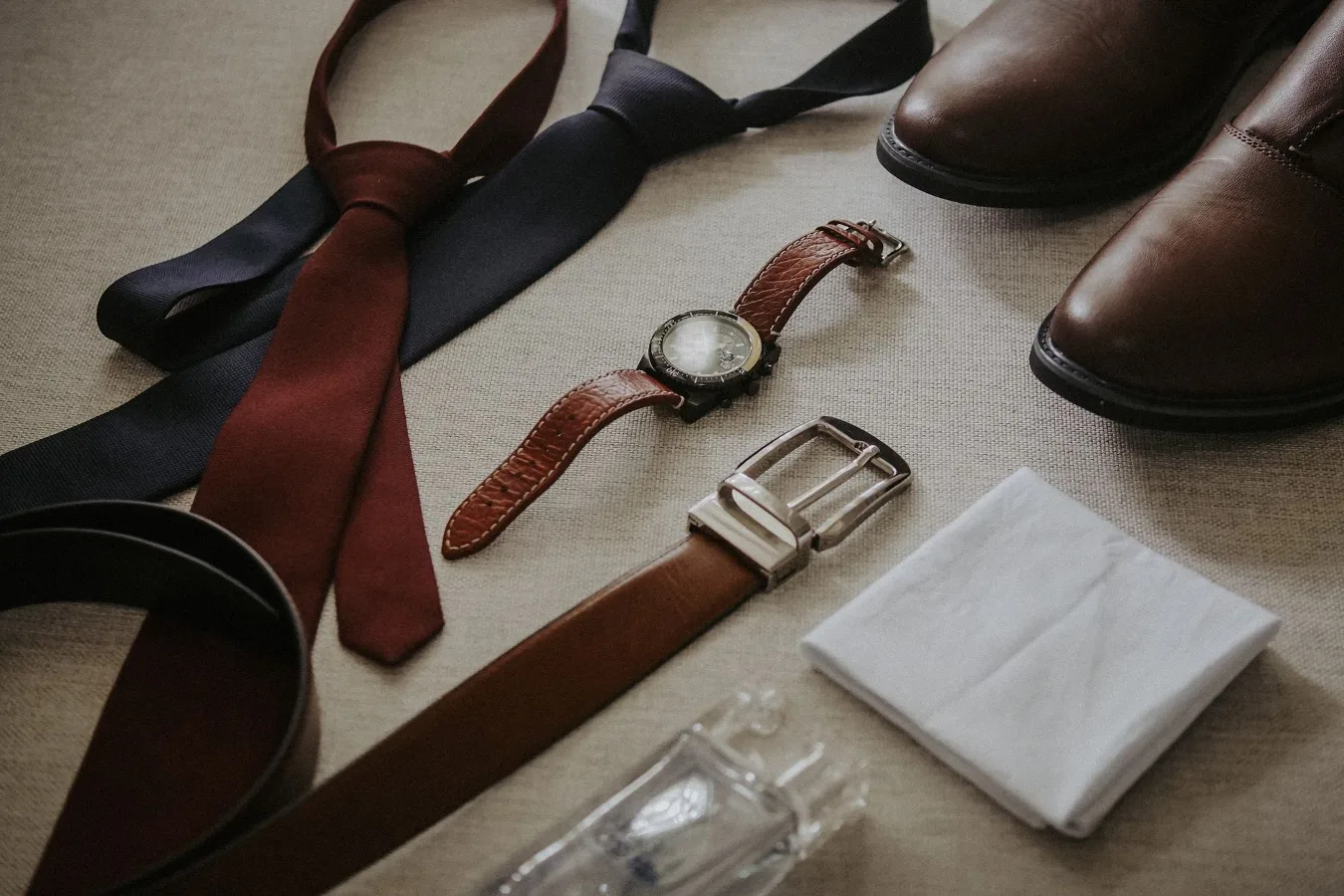
Wholesale men’s fashion accessories are best approached as a buying decision, not just a product search. The right assortment depends on your customer, your price point, the category you want to sell, and how much risk you can absorb if styles do not move quickly. building a men’s accessories assortment offers more detail on this point. steampunk fashion accessories offers more detail on this point.
For retailers, boutiques, pop-up shops, and online sellers in the U.S., the most useful way to buy wholesale men’s accessories is to separate the decision into a few clear questions: what category you need, how consistent the quality is, whether the style matches your audience, and how flexible the supplier is on quantities and replenishment. how to source fashion accessories for retail offers more detail on this point.
What wholesale men’s fashion accessories usually include
The category is broader than many buyers expect. It can include everyday essentials and style-driven pieces, and those two groups behave very differently at retail.
- Essentials: belts, wallets, socks, ties, cufflinks, suspenders, and hats
- Style accessories: bracelets, rings, necklaces, chain jewelry, lapel pins, sunglasses, and scarves
- Seasonal items: gloves, beanies, lightweight scarves, and summer-ready eyewear
- Giftable pieces: leather goods, jewelry sets, tie kits, and accessory boxes
Some categories are easier to sell because they solve a practical need. Others depend more on trend timing, presentation, and styling. A strong wholesale order usually mixes both.
The first decision: what kind of buyer are you?
The best assortment for a boutique is not always the best assortment for an online store or a men’s clothing shop. Your buyer type should shape almost every sourcing choice.
If you sell basics
Focus on reliable categories with repeat demand. Belts, wallets, socks, and understated ties tend to fit this model better than highly trend-sensitive jewelry or novelty sunglasses. Consistency matters more than novelty here.
If you sell trend-led fashion
You can lean into seasonal colorways, statement jewelry, elevated hats, and style-forward sunglasses. The trade-off is faster turnover risk. Trend items can draw attention, but they can also age quickly if your audience is conservative.
If you sell gifts
Packaging, perceived value, and versatility matter more than sheer product count. Giftable men’s accessories often work best when they are easy to understand at a glance and simple to pair with other purchases.
Key factors that matter before you place a wholesale order
Most sourcing mistakes come from focusing on one visible feature, such as design, while ignoring the business details that shape resale success. The points below usually matter most.
Material and finish
Materials affect how the product wears, how it looks on display, and how customers judge quality. With belts and wallets, buyers often look for the feel of the material, edge finishing, hardware appearance, and stitching. For jewelry and sunglasses, plating, frame construction, and surface finish can influence perceived value.
A common misconception is that “fashion accessory” means style matters more than construction. In retail, weak finishing often becomes obvious very quickly, especially on items that customers handle before buying.
Consistency across the order
If you plan to reorder, consistency may matter more than a one-time low-cost offer. Color variation, hardware changes, uneven sizing, or subtle design shifts can create issues when you try to restock a bestseller. Ask how the supplier handles batch-to-batch consistency before committing.
Size and fit
Not all men’s accessories are one-size-fits-all in practice. Belts, bracelets, rings, hats, and some sunglasses shapes can create fit friction. If your audience includes a wide range of body types or style preferences, flexibility in sizing can improve sell-through.
Styling versatility
Versatile accessories usually have better resale potential because they can work with more outfits. Neutral leathers, classic metals, clean silhouettes, and understated patterns tend to pair more easily with business, casual, and event wear. Highly specific looks can still sell well, but they usually require more precise merchandising.
Supplier minimums and ordering flexibility
Minimum order quantity affects risk. A high MOQ can be manageable if the item is a proven seller, but it can be difficult if you are testing a new category or experimenting with customer response. Buyers often overlook this until they have already narrowed their choices.
Packaging and presentation
Presentation matters more for some accessories than others. Jewelry, leather goods, and gift items can benefit from polished packaging because it supports perceived value. For lower-priced items, overly elaborate packaging may add cost without improving conversion.
Lead time and replenishment ability
If an accessory sells through faster than expected, reorder speed becomes part of the product’s value. A supplier with limited replenishment capacity may be fine for one-off seasonal buys, but less useful for staple items that should remain in stock.
How to build a wholesale assortment that actually sells
A practical assortment usually combines three layers: dependable basics, a few trend items, and accessories that help raise the average order value.
1. Start with repeatable core items
Core items give you stability. For many sellers, that means belts, wallets, socks, or simple jewelry that fits a broad audience. These items are easier to explain, easier to merchandise, and often easier to reorder.
2. Add a small number of attention-getting pieces
Trend-led accessories can bring personality to your assortment. Use them to create visual interest, not to carry the entire category. If you buy too many trend items at once, you can end up with inventory that looks current for only a short window.
3. Include add-on products
Some accessories work best as secondary purchases. Cufflinks, pocket squares, tie bars, lapel pins, and compact accessories can complement bigger-ticket apparel and improve basket size. These products are useful in stores where styling support is part of the sales process.
4. Plan by use case, not just by category
Instead of buying only “belts” or “jewelry,” think in terms of where the product fits in the customer’s life. Office wear, wedding attire, weekend casual, travel, gifting, and seasonal outfits each support different accessory choices.
Common mistakes buyers make with wholesale men’s accessories
Many wholesale orders fail for reasons that are easy to miss during the buying process.
- Buying too wide too fast: too many categories can dilute your budget and make it harder to learn what your customers actually want.
- Overvaluing trend appeal: a striking item may photograph well but still move slowly if it does not fit your audience.
- Ignoring sizing friction: bracelets, rings, and hats can create returns or dead stock if sizing is not thought through.
- Skipping quality inspection criteria: stitching, hardware, edges, closures, and finish all matter in resale environments.
- Overordering on first buy: large opening orders reduce flexibility if the category underperforms.
- Forgetting merchandising context: accessories often sell better when paired with apparel, style notes, or clear in-store presentation.
Choosing between basics, trend items, and private label
Each buying path has a different purpose. There is no single best option for every retailer.
| Buying path | Best for | Main advantage | Main limitation |
|---|---|---|---|
| Basics | Repeat demand and broad appeal | Steadier sell-through potential | Less differentiation |
| Trend items | Fashion-forward assortments | Stronger visual impact | Shorter selling window |
| Private label | Brand building and uniqueness | More control over presentation | More planning and supplier coordination |
Private label can be attractive if you want to build a recognizable accessories line, but it usually demands more patience and more attention to consistency, packaging, and brand positioning. Ready-made wholesale stock is often easier for smaller buyers or first-time category tests.
How to evaluate a supplier without overcomplicating it
You do not need a long checklist for every vendor, but you do need a repeatable way to compare options.
- Product clarity: are materials, sizing, and variations described clearly?
- Order terms: are minimums, reorders, and shipping expectations easy to understand?
- Category range: does the supplier offer enough depth to expand later if the first buy works?
- Visual consistency: do the product images and descriptions reflect a coherent quality level?
- Merchandising fit: does the assortment match the audience you actually serve?
A useful overlooked consideration is how easily the supplier’s catalog supports future planning. A vendor may have a nice one-time product, but if the rest of the line is scattered, it becomes harder to build a stable buying strategy around them.
Practical buying guidance by accessory type
Belts and wallets
These are often dependable wholesale categories because they combine utility and style. Buyers should pay attention to material feel, stitching, hardware quality, and how the design fits the rest of the store’s merchandise. Classic colors usually have broader appeal, while fashion colors can work as secondary buys.
Ties, pocket squares, and formal accessories
These products are useful for wedding season, office wear, and event-driven retail. They tend to sell best when paired with shirts, suits, or occasionwear rather than displayed as standalone impulse items.
Jewelry and bracelets
Men’s jewelry can be strong for trend-led stores, but it is more sensitive to style positioning. Some buyers prefer minimalist metals and leather accents, while others look for statement pieces. Avoid overordering styles that only appeal to a narrow audience unless your customer base is very clear.
Hats and sunglasses
These categories can be visually strong, but they also depend heavily on seasonality, face shape, fit, and lifestyle. For sunglasses, frame style and broad customer appeal matter more than a single fashionable look. For hats, structure and sizing are important buying filters.
Socks and small add-ons
These items are often useful as margin-supporting add-ons. They can help with bundling, gifting, and checkout impulse sales, especially when the designs align with your store’s overall style.
Trade-offs worth weighing before you buy
Wholesale accessories usually involve balancing a few competing goals. Lower-cost goods may help you keep pricing flexible, but they can also feel less differentiated. Higher-quality pieces may support better presentation and stronger customer trust, but they can raise the amount of cash tied up in inventory.
Likewise, broader assortments can attract more shoppers, but they can also complicate merchandising and inventory management. Narrower assortments are easier to run, though they may miss opportunities in adjacent categories.
The best decision is usually not to chase every accessory type. It is to choose a mix that fits your audience, your display space, and your ability to reorder responsibly.
FAQ
What are the most popular wholesale men’s fashion accessories?
Belts, wallets, socks, ties, sunglasses, bracelets, and hats are common starting points because they cover both everyday utility and style-driven demand.
Is it better to buy basics or trend accessories first?
For most buyers, basics are the safer first step. Trend items can add excitement, but they are easier to misjudge if you do not yet know how your audience responds.
How do I reduce risk on my first wholesale order?
Start with a smaller test order, choose versatile styles, and favor suppliers that make restocking easier. That approach helps you learn faster without overcommitting.
What should I check before choosing a supplier?
Look at product clarity, order terms, consistency, category depth, and whether the style matches your customer profile. Those factors usually matter more than flashy catalog presentation.
Are private label accessories worth considering?
They can be, especially if you want to build a recognizable brand. Just remember that private label usually requires more coordination, more patience, and a clearer long-term plan than ready-made wholesale stock.
Wholesale men’s fashion accessories work best when the buying decision is grounded in real use cases. If you match the category to your customer, pay attention to sizing and consistency, and avoid overordering too early, the assortment is much more likely to support long-term retail performance.