

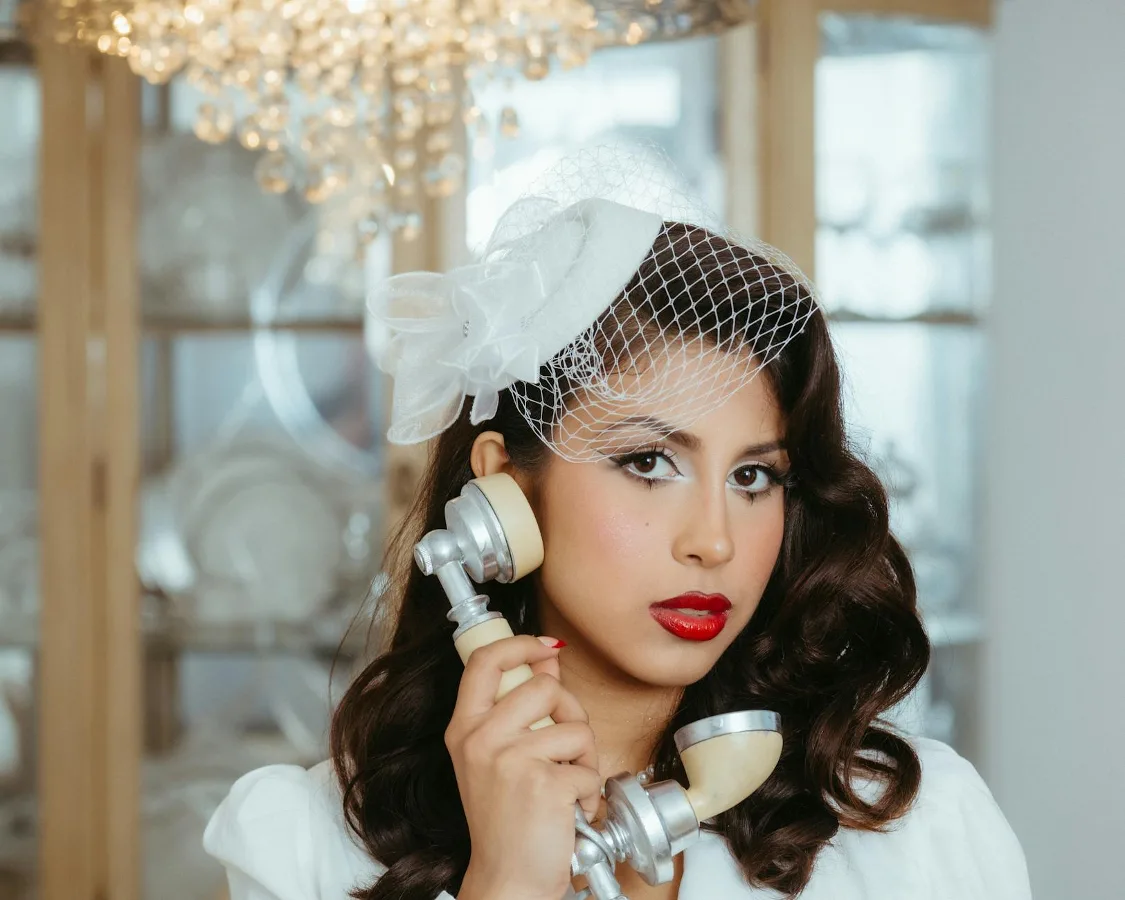
1950s accessories fashion is best understood as a finishing system: the right handbag, gloves, hat, scarf, jewelry, and shoes gave an outfit polish, structure, and a distinctly feminine silhouette. If you want to recreate the look today, focus less on copying every detail and more on choosing a few period-accurate pieces that support the outfit rather than overpower it. 50s fashion accessories offers more detail on this point.
The most recognizable 1950s accessories were practical as well as decorative. Structured purses, white gloves, pearls, cat-eye sunglasses, small hats, silk scarves, and neatly chosen shoes helped create the clean, put-together style associated with the decade. For modern wear, the key is balance. One or two vintage-inspired touches usually look more convincing than a full costume approach.
Start with the full guide
For the complete topic overview, read 1950s Fashion Accessories Guide
What defined 1950s accessories fashion
The 1950s favored accessories that looked coordinated, ladylike, and deliberate. Clothing silhouettes were often nipped at the waist and softly full at the skirt, so accessories were chosen to echo that neat, tailored feel. Pieces were commonly modest in scale, though eveningwear could be more glamorous with sparkle, satin, and polished finishes.
Several accessory categories defined the era:
- Handbags: Small to medium structured purses, often in leather, vinyl, or fabric-covered finishes.
- Gloves: Short gloves for daywear and longer gloves for more formal occasions.
- Hats: Pillbox hats, cloches with a modernized shape, berets, and small decorative styles.
- Scarves: Silk scarves tied at the neck, in the hair, or on a handbag handle.
- Jewelry: Pearls, brooches, charm bracelets, and simple matched sets.
- Sunglasses: Cat-eye frames and other sharply shaped styles that added drama.
The decade’s accessory choices were not random decoration. They helped finish the outfit in a way that looked socially polished, whether the wearer was going shopping, attending church, going to work, or dressing for an evening out.
The most useful 1950s accessories to know
Handbags
A 1950s handbag usually had a defined shape. Boxy top-handle bags, small satchels, and framed purses were common because they matched the era’s structured tailoring. For a modern wardrobe, this is one of the easiest accessories to use because it can read as vintage without looking theatrical.
Look for simple construction, a clean silhouette, and hardware that does not compete with the rest of the outfit. A neutral bag often gives the most versatility. Patent finishes, textured faux leather, and modest floral or novelty details can all work if they stay within the period mood.
Gloves
Gloves were a strong marker of mid-century dressing, especially for formal daytime wear. White gloves remain the most recognizable image, but black, cream, and pastel versions also fit the era. Short gloves are easier to wear today, while longer gloves are better reserved for dressy events or styled looks where you want a more dramatic vintage effect. the role of hats in mid-century style offers more detail on this point.
The practical question is not only whether gloves look authentic, but whether they suit the setting. In modern life, gloves are often more symbolic than functional. That makes them useful for styling, but easy to overuse.
Hats and hair accessories
Small hats were a refined part of 1950s fashion, especially for dressy daytime outfits. Pillbox hats became especially associated with the era, though many women also wore netting, decorative clips, veils, or simple headpieces. Hair itself was often set in waves, rolls, or neat updos, so accessories were meant to complement a controlled hairstyle.
If you do not wear hats comfortably, consider a narrow headband, a barrette, or a scarf tied into the hair. These options borrow the visual language of the decade without requiring a full vintage wardrobe.
Jewelry
Pearls are probably the single most recognizable jewelry choice from the 1950s. They worked for daytime and evening outfits, often in single or double strands. Brooches were another common detail, used on lapels, dresses, and coats. Charm bracelets, coordinated earring-and-necklace sets, and modest cocktail rings also fit the period.
One common misconception is that 1950s jewelry always had to be minimal. In fact, the decade included both restrained and more glamorous approaches. The difference was usually in scale and polish rather than loudness.
Scarves
Silk scarves were an easy way to introduce color and pattern. They were tied at the neck, knotted under the chin, wrapped around the hair, or used on a handbag handle. Because scarves are lightweight and adaptable, they are one of the easiest 1950s-inspired accessories to add to a modern outfit.
Choose prints that feel balanced rather than overly busy if the rest of your outfit already has strong lines or texture. A scarf can sharpen a plain dress or soften a structured blazer, which is why it remains such a useful styling tool.
Sunglasses and eyewear
Cat-eye sunglasses became a signature shape of the decade and still read instantly as vintage-inspired. Their lifted outer corners add a playful, polished effect that pairs well with red lipstick, a fitted dress, or a neatly tailored coat. Other mid-century eyewear shapes existed too, but cat-eye frames remain the most accessible reference point.
If you want a subtle nod to the period, choose frames with a gentle upsweep instead of an extreme novelty shape. That makes them easier to wear with everyday outfits.
How to wear 1950s accessories without looking costumed
The easiest way to modernize 1950s accessories fashion is to treat them as accents rather than a full historical reenactment. A structured handbag with a contemporary dress can work well. So can a strand of pearls with jeans and a cardigan, or a silk scarf with a simple button-front blouse.
Good balance usually comes from mixing one clearly vintage-inspired piece with more neutral modern items. For example:
- A cat-eye frame with a plain coat and straight-leg trousers
- Pearls with a knit top and tailored skirt
- A top-handle purse with a clean, monochrome outfit
- A scarf tied in the hair with a simple sundress
The more formal the accessory, the more restrained the rest of the outfit should be. That is especially true with gloves, hats, and very decorative jewelry. If several pieces compete for attention, the result can start to feel theatrical rather than elegant.
What to compare before buying vintage-inspired pieces
If you are shopping for 1950s-style accessories, compare them on the details that actually affect wearability and authenticity.
| Accessory | What to look for | Why it matters |
|---|---|---|
| Handbags | Structured shape, stable handle, compact size, practical closure | These features create the period look while keeping the bag usable |
| Gloves | Comfort at the fingers, wrist length, material feel | Poor fit makes gloves look awkward and discourages wear |
| Hats | Scale, secure fit, and whether the style suits your hair length | A hat that sits poorly can throw off the whole outfit |
| Jewelry | Finish, weight, versatility, and clasp quality | Simple pieces are easier to wear often and pair with more outfits |
| Scarves | Fabric hand, print scale, and edge finish | These determine how easily the scarf ties and drapes |
Fabric and construction matter more than many shoppers expect. A bag that looks right in a photo may feel flimsy in use. Likewise, a scarf with a beautiful print may not drape well if the fabric is too stiff or too slippery. For clothing-adjacent accessories, comfort and versatility usually decide whether a piece gets worn regularly.
Common mistakes to avoid
One frequent mistake is combining too many statement pieces at once. A pillbox hat, gloves, oversized pearls, a novelty bag, and cat-eye sunglasses can each work individually, but together they may overwhelm the outfit. The decade was polished, not cluttered.
Another mistake is choosing accessories that are too literal. Costume-quality lace gloves, exaggerated novelty purses, or very exaggerated frames can be useful for themed events, but they are harder to integrate into everyday style. If your goal is a wearable 1950s look, keep the shapes authentic and the novelty level low.
A third issue is ignoring proportion. The 1950s silhouette often depended on a neat waistline and balanced accessories. A tiny purse with a voluminous coat may disappear visually, while an oversized bag can fight the soft, feminine shape associated with the period.
Finally, many people overlook how hairstyle changes the effect. A scarf or hat can look completely different depending on the hair underneath. Mid-century accessories generally look more convincing with a tidy hairstyle, controlled waves, or an updo than with very loose, undone hair.
Practical alternatives if you want the look but not the full vintage route
You do not need to buy true vintage pieces to capture the feeling of 1950s accessories fashion. Vintage-inspired accessories are often easier to find, easier to maintain, and less fragile than older originals. They also let you choose modern materials or construction details that fit current needs.
If you want a lighter touch, these alternatives work well:
- Pearl studs instead of a full strand: A simple nod to the decade.
- Cat-eye sunglasses with modern lenses: Familiar shape, more current function.
- Silk-look scarves in updated prints: Vintage mood without strict period accuracy.
- Structured mini bags: Similar silhouette, easier to pair with modern clothing.
- Hair clips or headbands: A simpler substitute for hats or elaborate styling.
These options are especially useful if you are building a wardrobe gradually. You can test how much retro styling feels natural before committing to more specific pieces.
How 1950s accessories fit different style goals
If you are styling for everyday wear, focus on one practical accessory that can move between outfits. A handbag, scarf, or pair of sunglasses is often the easiest entry point. If you are dressing for a themed event, you can add gloves, a hat, or more noticeable jewelry for stronger period recognition.
For rockabilly and pin-up styling, bolder details tend to work better. That might mean a more dramatic scarf, stronger cat-eye frames, or jewelry with a slightly playful edge. For classic or ladylike dressing, smaller and more refined pieces usually feel truer to the 1950s and easier to wear.
For collectors, authenticity may matter more than convenience. In that case, pay close attention to period materials, labels, closures, and condition. But if your goal is simply to dress with a 1950s influence, wearability should come first.
FAQ
What accessories were most popular in the 1950s?
Some of the most recognizable accessories were pearls, gloves, structured handbags, silk scarves, hats, brooches, and cat-eye sunglasses. Together they created the neat, polished look associated with mid-century fashion.
Can you wear 1950s accessories with modern clothes?
Yes. In fact, that is often the easiest way to wear them. A vintage-inspired handbag, scarf, or pair of earrings can add a 1950s touch without making the outfit look like a costume.
Do I need gloves and hats for a 1950s look?
No. They are recognizable period details, but not necessary for every outfit. Many modern interpretations work better with one or two simpler accessories, such as pearls or a structured bag.
What is the easiest 1950s accessory to start with?
A silk scarf, pearl necklace, or cat-eye sunglasses are usually the most approachable starting points. They are easy to style and can work with a wide range of outfits.
How do I keep vintage-inspired accessories from looking outdated?
Pair them with clean modern clothing, avoid over-accessorizing, and choose pieces with good proportion and simple construction. A single vintage-inspired accent often works better than an all-out retro look.