

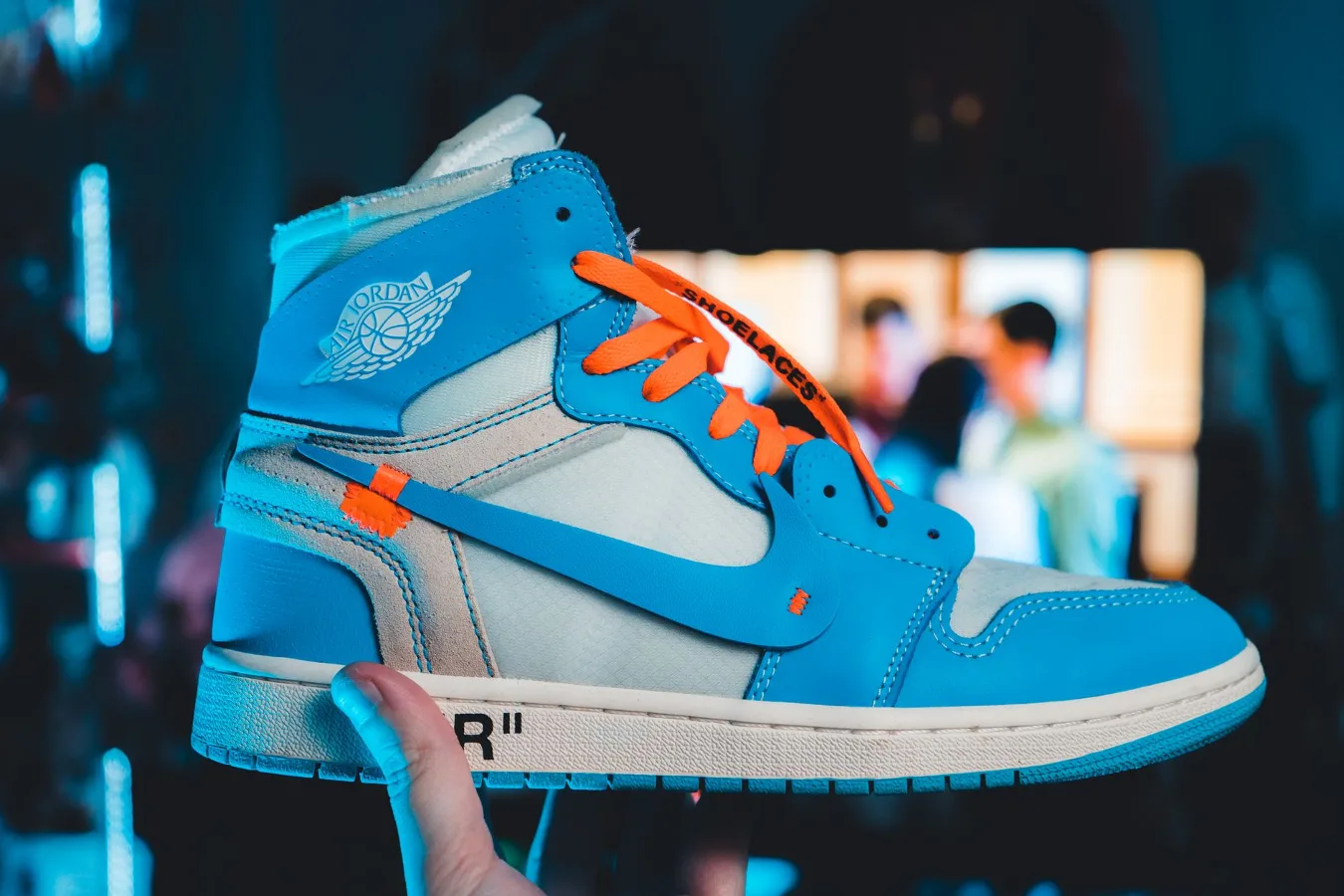
Nike boxing shoes appeal to buyers who want a light, responsive shoe for ring movement, footwork, and training. The right pair is less about brand name and more about how the shoe fits your stance, ankle needs, and training routine. Shoes guide offers more detail on this point. best golf shoes offers more detail on this point.
If you are comparing Nike boxing shoes, focus first on three things: fit, support, and traction. Those factors matter more than appearance, especially if you train footwork, spar, or spend long sessions on the gym floor.
What Nike boxing shoes are designed to do
Boxing shoes are made to help you move efficiently in the ring or on the gym floor. Compared with general cross-trainers, they usually aim for a lighter feel, more stable contact with the floor, and a profile that supports quick pivots and side-to-side movement.
Nike does not position every combat-sport shoe the same way, so shoppers often run into a common misconception: not every Nike training shoe is a boxing shoe. Some models may work as an alternative for general gym use, but a true boxing shoe should prioritize balance, traction, and freedom of movement without feeling bulky.
Key factors to compare before buying
Fit and lockdown
A boxing shoe should feel secure through the midfoot and heel without squeezing the toes. Loose fit can make footwork sloppy, while an overly tight fit can create discomfort during stance changes and lateral movement.
Pay attention to whether the shoe feels narrow, true to size, or roomier than you need. If you are between sizes, think carefully about sock thickness and whether you prefer a snug performance fit or a little extra space for longer sessions.
Ankle support and height
Some boxing shoes sit higher on the ankle for a more wrapped-in feel, while others use a lower cut for greater freedom. The right choice depends on your priorities. Higher collars can feel reassuring to some athletes, but lower designs may feel faster and less restrictive.
There is no universal rule that high-top shoes automatically provide better protection. Support also comes from fit, lacing, heel security, and how well the shoe matches your movement pattern.
Traction and pivoting
Traction matters, but boxing shoes should not feel sticky. Good ring footwear helps you start, stop, and pivot smoothly. If a shoe grips too aggressively, it can make turns feel awkward; if it slides too much, you may lose confidence in your stance.
Look for a sole pattern and rubber feel that suits your surface. Gym floors, ring canvas, and home training spaces can all behave differently. A shoe that works well on one surface may not feel the same on another.
Weight and responsiveness
Many buyers want a lighter shoe because it can make footwork feel quicker and less tiring. That said, ultra-light shoes sometimes trade away structure or durability. If you train hard several times a week, a slightly more supportive build may be the better long-term choice.
Think of responsiveness as the balance between mobility and control. A shoe that feels airy but unstable is rarely a good trade for boxing.
Materials and ventilation
Upper materials affect breathability, support, and how the shoe breaks in. Mesh can help ventilation, while more structured overlays can improve hold. Synthetic materials may be easier to maintain than softer finishes, but the trade-off is often less flexibility or a different feel on the foot.
If you train in a warm gym or wear the shoes for extended sessions, ventilation becomes more important. If you prioritize durability and support, structure may matter more than airflow.
Durability and frequency of use
Think about how often you train. A shoe used for occasional bag work has different demands than one used for frequent sparring and footwork drills. Repeated pivots, rope work, and friction from hard floor surfaces can shorten the lifespan of lighter shoes.
That is one of the overlooked considerations in boxing footwear: the most comfortable shoe on day one is not always the best value if your training load is high. Longevity matters as much as initial feel.
Where Nike boxing shoes make sense
Nike boxing shoes are often a strong fit for athletes who want a clean, athletic feel and who care about quick movement more than maximum cushioning. They can work well for:
- boxing beginners who want a straightforward training shoe
- fighters focused on footwork and ring movement
- athletes who prefer a lighter, more minimal feel
- gym users who want a dedicated combat-sport shoe rather than a general sneaker
They may be less ideal if you need substantial arch support, a very wide toe box, or a shoe that doubles as a high-cushion walking or running sneaker. Boxing footwear is specialized, and that specialization is part of both its strength and its limitation.
Practical ways to choose the right pair
Match the shoe to your training style
If your sessions involve a lot of shadowboxing, footwork ladders, ring movement, and light technical work, a more responsive shoe can make sense. If you spend more time on bag work, conditioning, or mixed gym training, you may want a shoe with a bit more structure.
Beginners often benefit from a balanced model that is stable, comfortable, and forgiving rather than one that is extremely minimal.
Consider your foot shape
Foot shape affects comfort more than many buyers expect. A shoe that feels great on one boxer may pinch another because of width, instep volume, or heel shape. If you have wide feet, pay attention to the toe area and midfoot tension. If you have a narrow heel, look for strong lockdown so the foot does not slide during pivots.
Think about the ring surface
Not every boxing shoe behaves the same on canvas, mats, and smooth gym floors. A traction pattern that feels ideal in one setting may feel different in another. If you train in multiple places, prioritize a shoe with predictable grip rather than an aggressive sole that only works on one surface.
Decide how much ankle feel you want
Some people want a higher collar for mental confidence and a wrapped feel. Others prefer lower freedom so the shoe disappears during movement. Both approaches can work. The better question is which design lets you move naturally without constantly adjusting your stance.
Trade-offs to keep in mind
Boxing shoes are specialized, and specialization comes with trade-offs. A lighter shoe often feels faster but may offer less cushioning or less everyday versatility. A more supportive shoe can feel steadier but may not feel as quick in fast footwork drills.
Another trade-off is versatility versus purpose-built performance. If you want one shoe for boxing, lifting, and casual wear, a dedicated boxing shoe may not be the best all-around choice. If boxing is your main priority, though, dedicated footwear usually makes more sense than trying to force a general-purpose sneaker into the job.
Brand recognition can also be misleading. Nike is a trusted athletic brand, but the right model still depends on construction details, not the swoosh alone.
Common mistakes buyers make
- Choosing based on appearance instead of fit and movement
- Buying a shoe that is too loose because it feels comfortable at first
- Assuming more ankle height always means better support
- Ignoring the type of flooring where the shoes will be used
- Expecting boxing shoes to function like cushioned running shoes
- Overlooking width and heel lockdown
One practical nuance: if you are replacing everyday trainers with boxing shoes, the first few sessions can feel unfamiliar. That does not automatically mean the shoe is wrong. Sometimes the issue is simply that boxing footwear asks for a different movement pattern.
Alternatives if Nike does not fit your needs
If Nike boxing shoes do not match your foot shape or training style, consider other combat-sport options. Dedicated boxing shoes from other brands may offer different widths, sole stiffness, or collar heights. Some athletes also use wrestling shoes for certain drills because they can feel secure and low to the ground, though they are not identical to boxing shoes.
If your training is more general fitness than ring-specific, cross-trainers may be the better choice. They are usually more versatile for mixed workouts but typically sacrifice some of the ring-specific movement benefits that boxing shoes provide.
How to decide if Nike boxing shoes are right for you
Choose Nike boxing shoes if you want a dedicated shoe for boxing that emphasizes lightness, movement, and a clean athletic fit. They are especially worth considering if you value quick transitions, frequent footwork, and a shoe that feels focused on the ring rather than the weight room.
Look elsewhere if you need maximum cushioning, extra-wide sizing, or a single shoe that can handle many different sports equally well. The best choice is the one that fits your feet, supports your training, and matches the surfaces you actually use.
FAQ
Are Nike boxing shoes good for beginners?
They can be, especially if the model offers a secure fit and predictable traction. Beginners usually do best with a balanced shoe that is comfortable and stable rather than extremely minimal.
Can I wear Nike boxing shoes for gym workouts?
Some workouts, yes. But boxing shoes are specialized and may not be ideal for heavy lifting, long treadmill sessions, or mixed training that needs more cushioning and versatility.
Should boxing shoes fit tight?
They should fit snugly, but not painfully tight. The goal is secure heel hold, controlled midfoot lockdown, and enough room in the toe area to move naturally.
Are high-top boxing shoes always better?
No. Higher cuts may feel supportive to some people, but they are not automatically superior. Fit, sole behavior, and overall stability matter just as much.
What is the biggest mistake when buying boxing shoes?
Buying for style alone. The wrong fit or traction pattern can hurt performance more than it helps, even if the shoe looks sharp.