

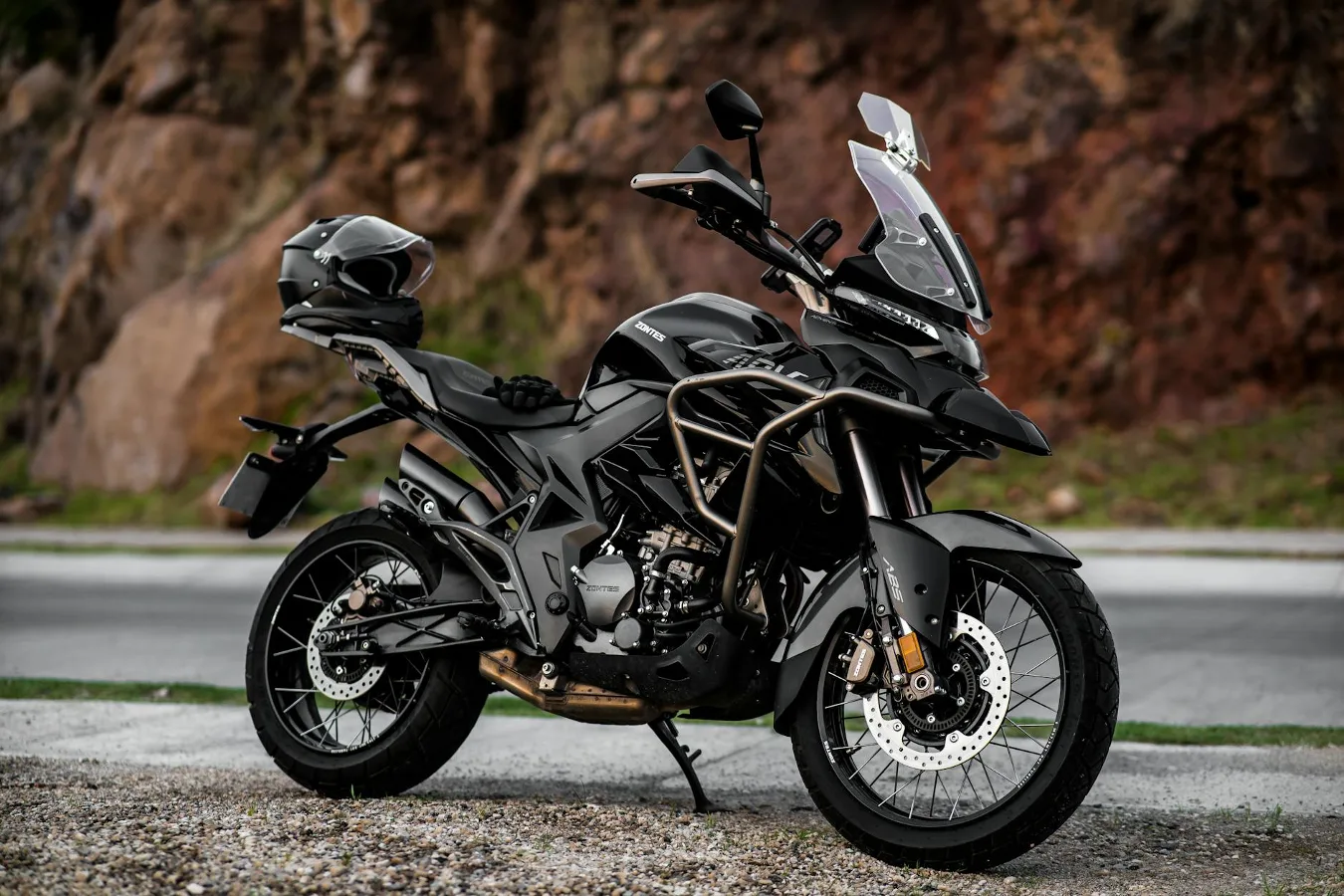
Dual sport motorcycle riding gear should do one job better than almost any other category of riding apparel: handle two very different environments without getting in the way. That usually means enough protection for pavement, enough mobility for standing on the pegs, and enough weather adaptability to deal with dust, rain, heat, and cold in the same day. dual sport motorcycle gear offers more detail on this point.
If you are shopping for dual sport gear, the best starting point is not a brand or a style. It is the way you ride. A commuter who takes occasional gravel roads has different needs from a rider who spends long days on forest service routes, rocky trails, and highway transfers. The right setup is usually a balanced system: helmet, jacket, pants, boots, gloves, and layering pieces that work together rather than a single “perfect” outfit.
What dual sport riding gear needs to do
Dual sport riding sits between street riding and off-road riding, so the gear has to bridge both worlds. On pavement, abrasion resistance and impact protection matter most. Off-road, mobility, ventilation, and the ability to move comfortably while standing become more important. That tension is the core of every buying decision. Dual Sport Gear: A Practical Buying Guide offers more detail on this point.
Good dual sport gear should support these priorities:
- Protection for impacts and slides
- Mobility for standing, shifting weight, and moving on the bike
- Ventilation for slow technical sections and warm weather
- Weather adaptability for wind, rain, and temperature swings
- Compatibility with boots, hydration packs, knee braces, and body armor
A common misconception is that heavier gear is always safer. In practice, heavy gear can become a disadvantage if it overheats you, limits movement, or gets left behind because it is too uncomfortable. The best dual sport setup is the one you can wear correctly for the whole ride.
Quick answer: what to look for first
If you want the shortest possible buying guide, start here. Prioritize a full-face or dual-sport helmet, a protective jacket with armor, motorcycle pants that allow movement, off-road-capable boots with ankle support, and gloves suited to the weather. After that, decide how much ventilation, waterproofing, and layering you need based on your riding climate.
The most practical approach is usually to choose gear with removable or adjustable features rather than a single fixed configuration. Removable liners, adjustable vents, and modular armor placement help the same setup work across more conditions.
Key gear pieces and what matters most
Helmet
For dual sport riding, the helmet choice often comes down to three options: a street-focused full-face helmet, a dual-sport helmet with a visor and peak, or an adventure helmet with more airflow and space for mixed-use riding. Each has trade-offs.
- Full-face helmets usually offer the cleanest road manners, quieter ride, and strong weather protection.
- Dual-sport helmets add a peak and more open face area, which can help in dirt but may catch more wind at speed.
- Adventure helmets often prioritize airflow and versatility, but comfort depends heavily on fit and noise tolerance.
The overlooked consideration here is wind fatigue. A helmet that feels fine in the store can become tiring after a long highway transfer if the peak pulls too much in crosswinds. If your rides include extended pavement sections, pay attention to stability, not just ventilation.
Jacket
A dual sport jacket should ideally balance abrasion resistance, armor coverage, airflow, and layering flexibility. Look for shoulder, elbow, and back protection options, and make sure the jacket allows enough arm reach for standing on the pegs without binding across the shoulders.
Mesh-heavy jackets can be excellent in hot weather but may offer less weather protection unless you add layers. Textile jackets with vents and removable liners tend to be more adaptable. The trade-off is that more adaptable jackets can feel bulkier off-road.
Fit matters more than features. If the jacket rides up, twists, or bunches under a hydration pack, it can reduce both comfort and protection. Try to assess fit in the riding position, not only standing upright.
Pants
Dual sport pants need to move easily over the knees and hips while still offering meaningful protection. Some riders prefer overpants for street-focused use, while others prefer dedicated riding pants with integrated armor for trail riding and heat management.
Useful features include reinforced knees, stretch panels, adjustable waist tabs, and compatibility with knee braces or larger knee guards. If you ride in technical terrain, pants with too little room around the knees can become irritating quickly. If you spend more time on the road, a cleaner, more abrasion-focused pant may be the better compromise. motorcycle pants for mixed terrain offers more detail on this point.
Boots
Boots are one of the most important pieces of dual sport gear because they affect both safety and bike control. Off-road boots usually offer stronger shin, ankle, and foot protection, while lighter adventure boots may feel easier for walking and commuting.
The challenge is finding the right balance. Stiffer boots protect better but can feel awkward while shifting or hiking around a campsite. Lighter boots improve comfort and feel but may not offer the same level of support in rough terrain. If your riding includes rocky trails, ruts, or repeated foot dabs, prioritize support over casual walking comfort.
Gloves
Dual sport gloves should be chosen by season and terrain. Warm-weather gloves need airflow without giving up knuckle protection. Cold-weather gloves should allow enough dexterity for clutch and brake control. Waterproof gloves can be useful, but they sometimes trade away feel and ventilation.
Many riders end up needing more than one pair. A lightweight pair for summer and a more protective or insulated pair for colder rides is often more practical than trying to force one glove to do everything.
Base layers and mid-layers
Layering is one of the most underrated parts of dual sport riding gear. A moisture-wicking base layer can make a big difference under armor and textiles, especially in hot weather or long rides. Mid-layers add insulation without requiring a bulky jacket.
This is especially useful because dual sport rides often start early, end late, or cross elevation changes. A breathable system you can adjust is usually more useful than a single thick garment.
Comparison factors that actually matter
| Factor | Why it matters | Best for |
|---|---|---|
| Protection level | Abrasion resistance and impact coverage affect safety on pavement and in falls | Riders who spend more time on-road or ride aggressively |
| Mobility | Standing, shifting weight, and controlling the bike are easier when gear moves naturally | Trail-heavy and technical riding |
| Ventilation | Airflow helps reduce fatigue and heat buildup in slow or warm conditions | Summer rides and low-speed off-road sections |
| Weather protection | Wind, rain, and cold can end a ride early if gear cannot adapt | All-season and distance riders |
| Fit and layering room | Gear has to work with armor, base layers, and riding posture | Anyone using modular or seasonal systems |
| Weight and bulk | Heavier gear can become tiring on long rides or technical terrain | Riders who value comfort and endurance |
Rather than trying to maximize every factor at once, decide which one is non-negotiable. A rider in the Southwest may prioritize airflow. A rider in the Pacific Northwest may prioritize weather protection. A rider who splits time between highway commuting and dirt roads may need the most balanced compromise.
Mistakes to avoid when buying dual sport gear
- Choosing street gear that cannot move well off-road: It may protect adequately on pavement but feel restrictive when standing or shifting weight.
- Buying for the worst-case weather only: A fully waterproof setup can become too hot and stiff in warmer conditions.
- Ignoring helmet stability: Noise, buffeting, and peak lift can make long rides exhausting.
- Prioritizing appearance over fit: Gear that looks aggressive but fits poorly is a poor trade.
- Skipping boots in favor of casual shoes: Foot and ankle protection are too important to improvise.
- Assuming one setup works year-round: Seasonal layers are often a better long-term solution.
A practical nuance many riders learn late is that dual sport gear is often a system problem, not a single-item problem. A jacket that works well may still fail the overall setup if the pants are too hot, the gloves are wrong for the season, or the boots make standing uncomfortable.
How to choose based on your riding style
Mostly pavement with light dirt use
If your dual sport riding is mostly road miles with occasional gravel or fire roads, lean toward more street-oriented protection and better wind management. A quieter helmet, textile jacket, and comfortable touring-style boot may make more sense than a full off-road setup.
Balanced street and trail riding
This is where most dual sport riders live. Look for adjustable ventilation, removable liners, enough abrasion resistance for road use, and enough flexibility for off-road control. Modular gear usually makes the most sense here.
Trail-heavy and technical riding
If dirt performance is the priority, mobility and ventilation move up the list. You may prefer lighter pants, more open helmet airflow, stronger off-road boots, and armor that stays in place when you move around on the bike.
Long-distance travel with mixed surfaces
For travel-focused riders, comfort over many hours matters as much as protection. Layering, weather management, and gear compatibility become more important than raw off-road styling. A system that is easy to adjust on the side of the road is usually the better choice.
Common alternatives worth considering
Not every rider needs a fully dedicated dual sport wardrobe. Depending on your use case, these alternatives may be smarter:
- Adventure riding gear if you spend more time touring and carrying luggage
- Street touring gear if dirt use is infrequent and mild
- Enduro-style gear if technical off-road control is the main priority
- Overland-oriented layers if you need maximum weather adaptability for long trips
The best option is the one that matches your real mileage, not your idealized route. It is common for riders to overbuy off-road features they rarely use or underbuy weather protection they need every week.
Maintenance and care considerations
Dual sport gear tends to collect dust, mud, bugs, and sweat faster than street-only apparel. Regular care keeps it more comfortable and helps it last longer. Follow manufacturer instructions for washing, cleaning armor, and treating waterproof materials. Let gear dry fully before storage, especially after wet rides or humid conditions.
Check zippers, hook-and-loop closures, seam stress points, and boot buckles periodically. Off-road vibration and frequent movement can wear on gear faster than casual riding might suggest. Small maintenance habits often preserve comfort and function better than replacing gear early.
FAQ
What makes dual sport riding gear different from regular motorcycle gear?
Dual sport gear has to work in more varied conditions. Compared with typical street gear, it usually needs more ventilation, better mobility, and easier layering, while still providing protection for pavement.
Can I use adventure gear for dual sport riding?
Yes, in many cases. Adventure gear can work well if it offers enough mobility, ventilation, and fit for your riding style. The main question is whether it feels too bulky or too road-focused for your dirt use.
Do I need special boots for dual sport riding?
Specialized boots are strongly worth considering. Even a lighter dual sport boot usually offers more support and protection than casual footwear, and that difference matters on uneven terrain.
Is waterproof gear always the best choice?
Not necessarily. Waterproofing is useful, but fully waterproof gear can be warmer and less breathable. Many riders prefer gear with removable liners or a layering system instead.
What is the most common mistake new dual sport riders make?
One of the biggest mistakes is buying gear for the bike rather than the ride. A setup that works for a short photo ride may be uncomfortable on a long mixed-surface day.
Practical takeaway
The best dual sport motorcycle riding gear is the gear that stays comfortable, protective, and adaptable across the conditions you actually ride. Start with fit, then decide where your biggest demands are: ventilation, weather resistance, mobility, or road protection. Once those priorities are clear, the rest of the decision becomes much easier.
If you are building a full setup, think in terms of a system. Helmet, jacket, pants, boots, gloves, and layers should complement one another. That approach gives you a better result than chasing a single piece that claims to do everything.