

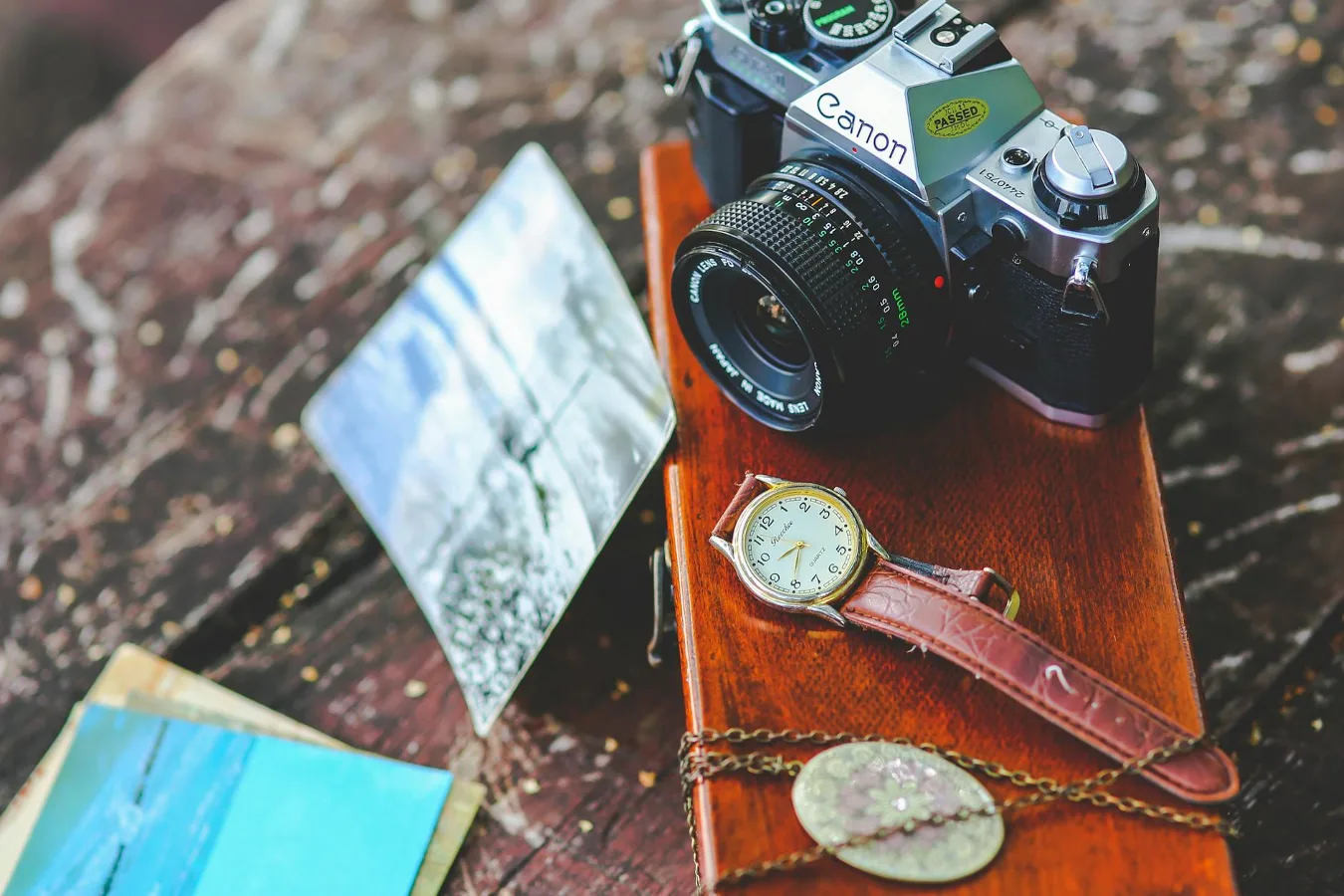
Old fashioned accessories are the pieces that give an outfit a sense of history: a structured handbag, a pearl strand, a brooch, leather gloves, a silk scarf, a beret, or a pair of cat-eye frames. They are not limited to one era, and that is part of their appeal. The best ones feel deliberate rather than theatrical, which makes them useful whether you are dressing for everyday wear, a special event, or a wardrobe built around classic style. bohemian fashion accessories offers more detail on this point. how to wear classic fashion accessories offers more detail on this point.
If you are shopping with a commercial intent, the real question is not simply which accessory looks old fashioned. It is which one fits your style, works with what you already own, and can hold up to regular use. That balance is where many vintage-inspired purchases succeed or fail.
Start with the full guide
For the complete topic overview, read 1950s Fashion Accessories Guide
Choose the style era first, not the accessory
Old fashioned accessories cover a wide range of references, and the era you are borrowing from changes everything. A beaded evening bag suggests the glamour of the 1920s. A pillbox hat or structured gloves can feel mid-century. Cameos, lockets, and lace details lean more romantic and antique. Without that decision, it is easy to buy pieces that look attractive individually but clash once worn together.
A helpful way to narrow the field is to think about the impression you want to create:
- Refined and polished: pearls, silk scarves, pumps, gloves, small structured bags
- Romantic and decorative: lockets, cameo jewelry, lace trims, ribbon details, floral brooches
- Mid-century classic: cat-eye sunglasses, square scarves, sculptural earrings, compact handbags
- Heritage and tailored: leather belts, riding-inspired boots, watch chains, tailored hats
The common mistake is mixing too many eras at once. A 1930s-inspired dress, a 1950s handbag, and an Edwardian-style hair piece can each be beautiful on their own, but together they may look unfocused. Cohesion matters more than collecting the most recognizable vintage details.
What to look for in a buyer scenario
The right old fashioned accessory depends heavily on how you plan to use it. A costume-minded piece for a themed party has different needs than an accessory you want to wear to work or on weekends.
For everyday outfits
Start with accessories that echo the past without feeling fragile or fussy. Simple pearl studs, a leather top-handle bag, a thin belt with a classic buckle, or a neutral scarf can add vintage character while staying practical. These are the easiest pieces to repeat, which matters if you want value rather than novelty.
For formal occasions
This is where old fashioned accessories often shine. Evening gloves, embellished clutches, drop earrings, or a structured hair ornament can elevate a simple dress. The trade-off is that more ornate pieces are often less versatile. If the item is highly decorative, make sure it still works with more than one outfit in your closet.
For themed dressing
If your goal is a period look, accuracy matters more. That does not mean everything must be historically exact, but the silhouette, textures, and details should feel consistent. A 1940s-inspired outfit tends to look stronger with controlled accessories and clean lines than with mixed, overly glossy finishes.
For a modern wardrobe with vintage touches
This is the most flexible use case. A single old fashioned accessory can act as a focal point: a brooch on a blazer, a scarf tied at the neck, or a pair of retro sunglasses with contemporary tailoring. The goal is accent, not reenactment.
Material choices make the biggest difference
For old fashioned accessories, materials often matter more than the visual reference. The same style can feel elegant or cheap depending on the finish, weight, and construction.
Jewelry and adornment
Pearls, glass beads, resin, enamel, and metal alloys are common in vintage-inspired jewelry. Pearls bring a soft, classic look, while enamel and glass can create more decorative effects. For daily wear, consider whether the clasp, plating, and settings are sturdy enough to withstand repeated use. An accessory that looks antique but feels flimsy will rarely stay in rotation.
Bags and small leather goods
Structured handbags often define old fashioned styling more than any other piece. Leather, faux leather, tapestry, satin, and velvet each suggest a different mood. Leather tends to be the most adaptable for day-to-day wear, while satin and velvet feel more occasion-driven. The important question is not only how the bag looks, but whether the opening, strap, and interior space match your routine.
Hats, scarves, and gloves
These pieces rely on fit and drape. A scarf that ties well and lies smoothly will look more refined than one with a stiff hand or awkward print scale. Gloves should allow comfortable movement, especially if you plan to wear them for more than a short event. Hats need a secure fit and a brim or shape that complements your face and hairstyle.
Eyewear and decorative frames
Retro frames can be among the easiest old fashioned accessories to wear because they are functional and expressive at once. Still, shape matters. Cat-eye, round, and browline styles all send different signals. Make sure the frame shape suits your features and feels balanced with your clothing style, not just your nostalgia for a certain decade.
Style details that separate timeless from costume-like
One of the most overlooked considerations is restraint. Old fashioned accessories work best when they suggest a period, not imitate one too literally. A single well-chosen piece usually reads as elegant. Too many decorative cues can push the look into costume territory.
Keep an eye on these details:
- Scale: oversized decorative elements can overwhelm smaller frames or delicate fabrics
- Finish: high-shine surfaces can look modern, while softer patinas often feel more authentic
- Proportion: a tiny bag may be charming, but it is not practical if you need to carry more than essentials
- Color harmony: ivory, black, gold, silver, deep burgundy, navy, and muted jewel tones are easier to integrate than very loud combinations
- Wearability: if a piece is difficult to fasten, pin, or maintain, it may stay in a drawer instead of in your rotation
A subtle misconception is that old fashioned accessories must look aged to feel authentic. That is not always true. Many people want vintage-inspired pieces that are clean, well-finished, and easier to care for. The old-fashioned effect often comes from silhouette, detail, and restraint rather than visible wear.
Trade-offs worth considering before you buy
Every category brings compromises, and those trade-offs are especially important with accessories that are style-driven.
Versatility versus character
The more distinctive the accessory, the less often it may work. A highly ornate brooch may be stunning, but a simpler pin could get more use. If you want a wardrobe that earns its keep, look for pieces that can move between outfits, seasons, and settings.
Authentic vintage versus vintage-inspired
True vintage items have charm and uniqueness, but they can also come with wear, sizing limitations, and care concerns. Vintage-inspired pieces are usually easier to wear and replace, though they may lack the depth of a true original. The better choice depends on whether you value history, convenience, or both.
Delicacy versus durability
Fine fabrics, glass embellishments, and intricate hardware can create a beautiful old-fashioned look, but they may need gentler handling. If you want everyday durability, favor sturdy stitching, secure closures, and materials that tolerate regular storage and travel.
Price versus longevity
Old fashioned accessories span a wide price range, but cost alone does not predict value. A modestly priced scarf that complements many outfits may be a better purchase than a more dramatic piece that only works for rare occasions. Think in terms of cost per wear and not just purchase excitement.
How to build a small collection without overbuying
A focused collection usually works better than a sprawling one. Start with a few anchor pieces that reflect your personal style, then add items that solve specific wardrobe gaps.
- Choose one signature category. That might be jewelry, bags, scarves, hats, or eyewear.
- Pick one neutral base piece. A black bag, ivory scarf, pearl studs, or classic belt can support many outfits.
- Add one statement item. Use it sparingly so it feels special.
- Check styling compatibility. Make sure the new piece works with at least three outfits you already own.
- Watch for maintenance needs. Delicate fabrics, specialty finishes, and ornate hardware should fit your routine.
This approach prevents the most common buying mistake: collecting charming accessories that do not actually solve anything in your wardrobe.
Practical alternatives if you want the look without the commitment
Not everyone needs a full vintage-inspired wardrobe. Sometimes the best choice is a lighter touch.
- Scarf instead of a full retro outfit: Adds character without changing your entire silhouette
- Brooch instead of a statement necklace: Creates focal point styling on coats, blazers, and dresses
- Classic sunglasses instead of period costume pieces: Gives retro flavor in a wearable format
- Structured handbag instead of ornate embellishment: Feels old fashioned through shape rather than decoration
These alternatives are especially useful if you want accessories that can move across settings, from office wear to dinners and casual weekends.
Common mistakes when shopping for old fashioned accessories
Shoppers often focus on the aesthetic and overlook the practical side. That is where disappointment usually begins.
- Buying for a single outfit: If it only works once, it may not be worth the space
- Ignoring scale: A piece can be beautiful and still look disproportionate on you
- Mixing too many vintage cues: Too much can feel theatrical instead of stylish
- Overlooking care: Delicate fabrics and finishes need realistic maintenance
- Assuming all vintage-inspired items are equal: Construction quality varies widely, especially in decorative accessories
Another real-world constraint is storage. Hats, structured bags, and delicate jewelry need room and protection. If your storage setup is limited, choose pieces that compress, stack, or hang easily.
What to do next
If you are building around old fashioned accessories, begin with the category that will integrate most naturally into your existing wardrobe. For many people, that means a scarf, a small structured bag, or a simple piece of jewelry rather than a highly specialized item. From there, decide whether your style leans more antique, mid-century, or broadly classic, then choose materials and finishes that support regular wear.
The strongest purchases are usually the ones that feel specific but not restrictive. They carry a hint of history, work with modern clothes, and do not demand a costume to support them. That is the sweet spot for vintage-inspired accessorizing: character with enough flexibility to stay useful.
If you are comparing options, look for related guides on vintage-style accessories, classic handbags, retro sunglasses, pearl jewelry, and timeless wardrobe essentials to refine the look in a way that suits your routine. vintage-style accessories guide offers more detail on this point.