

Start with the full guide
For the complete topic overview, read 1950s Fashion Accessories Guide
What Defined 1920s Men’s Fashion Accessories
1920s men’s fashion accessories were less about decoration for its own sake and more about finishing a polished silhouette. A man’s hat, neckwear, shoes, suspenders, watch, and shirt details helped signal class, occasion, and personal style. The decade included both formal elegance and more relaxed everyday dressing, so the right accessories depended on where the outfit would be worn. Pearl Necklace History and Buying Guide offers more detail on this point.
If you are trying to recreate the look today, the main goal is not to copy every detail blindly. A good 1920s-inspired outfit usually feels balanced, structured, and intentional. The strongest accessories from the era were practical first, but they also created the sharp, refined appearance that people now associate with the Roaring Twenties.
The Core Accessories That Matter Most
Some accessories show up again and again in 1920s menswear, and those are the ones worth prioritizing if you want an authentic result. vintage menswear accessories offers more detail on this point.
Hats: Fedora, Flat Cap, and Boater
Hats were one of the most visible parts of a man’s wardrobe in the 1920s. A fedora offered a dressier, urban feel. A flat cap or newsboy cap leaned more casual and working-class. A boater suggested warm-weather or more traditional styling. The right choice depends on the setting you want to recreate.
For modern wear, a fedora can easily lean theatrical if the rest of the outfit is not grounded. A flat cap is often easier to wear casually, while a boater can feel highly period-specific and less versatile. If you want a wearable vintage look without overdoing it, match the hat to the rest of the clothing rather than treating it as a costume piece.
Neckwear: Neckties, Bow Ties, and Tie Bars
Neckwear carried a lot of visual weight in the 1920s. Narrower ties, patterned silk ties, and bow ties all fit the era depending on the occasion. Collars were often more structured than many modern shirts, which meant the tie or bow tie had to work with the shirt rather than fight it.
Tie bars and tie clips were practical, but they also added a neat finishing detail. A common mistake is using a modern oversized tie bar that feels out of scale. For a 1920s look, the accessory should stay subtle and proportionate.
Suspenders, Not Belts
Suspenders were a defining part of men’s dress in the 1920s, especially with tailored trousers. They helped trousers hang correctly and kept the front of the outfit smooth. Belts existed, but they were not the default choice for many formal or semi-formal looks of the era.
If you are building an outfit inspired by the 1920s, suspenders are one of the simplest ways to make the silhouette feel right. They also solve a practical problem: high-waisted trousers often look better with suspenders because the waistband stays in place without bunching.
Pocket Watches and Watch Chains
Before wristwatches became fully dominant, pocket watches were still a strong style marker. A pocket watch with a chain added a refined note to a suit or vest. It is one of the most recognizable accessories associated with the decade, especially in formal or gentlemanly dress.
Today, a pocket watch is more about style than necessity, which makes it a strong optional detail rather than a requirement. It works best when the rest of the outfit already feels grounded in the period. A pocket watch alone will not create a 1920s look, but it can complete one.
Cufflinks, Collar Bars, and Shirt Details
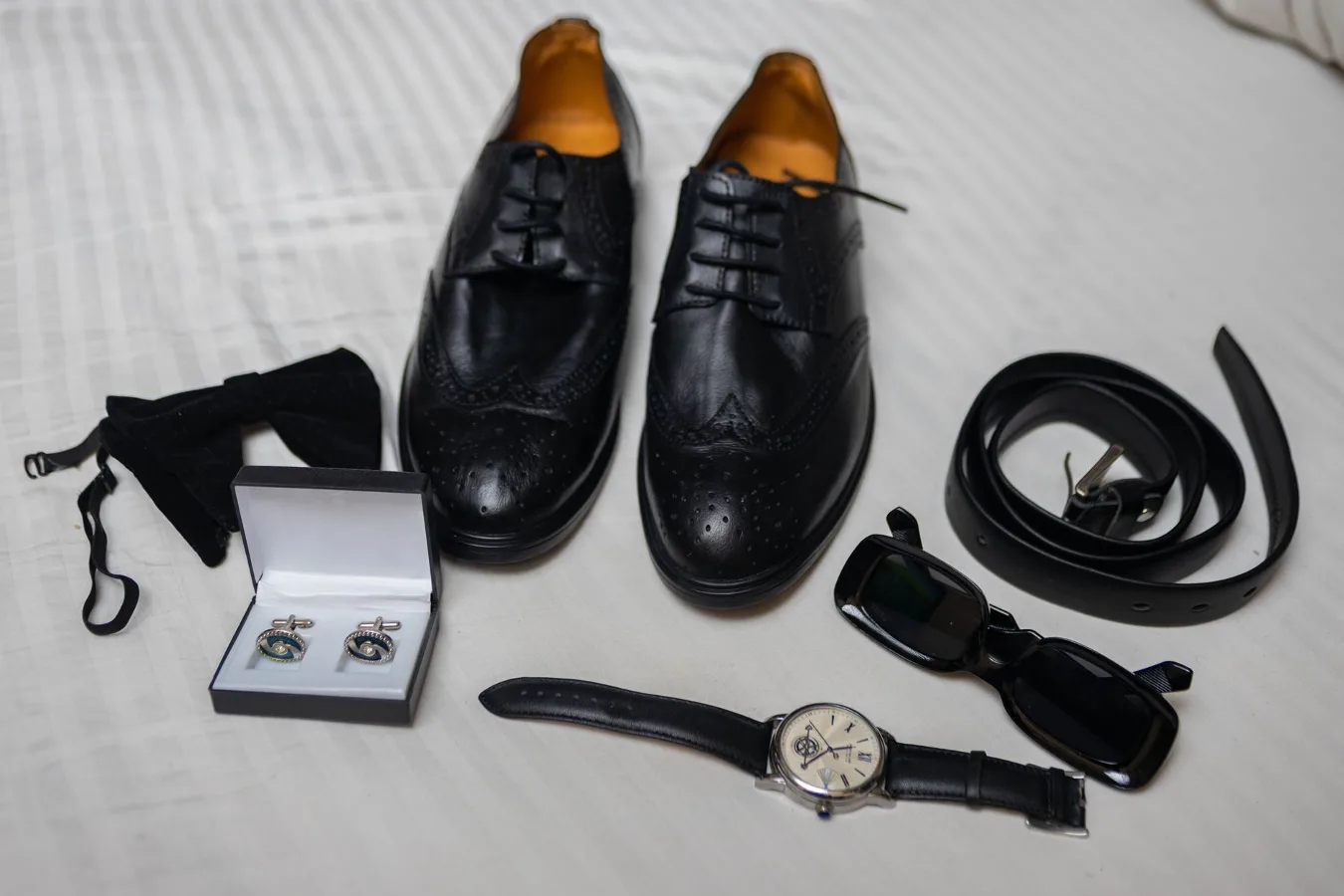
Shirt accessories mattered because men’s dress shirts were often more structured than casual shirts today. Cufflinks helped fasten French cuffs, while collar bars and collar pins kept the collar in a neat position and created a more polished line under the tie.
These details are easy to overlook, but they can make a vintage-inspired outfit feel far more convincing. They are also useful if you want a formal 1920s look without adding a large number of visible accessories. The trade-off is that they require the right shirt, so they are not as flexible as a hat or tie. formal accessories for vintage looks offers more detail on this point.
Choosing Accessories for the Right 1920s Look
The most useful way to choose accessories is to start with the type of outfit you want to build. 1920s menswear was not one single uniform style. A banker, a laborer, a jazz-era party guest, and a country gentleman would not dress the same way.
For a Formal or Gatsby-Inspired Outfit
If you want a polished evening look, focus on a structured hat, a necktie or bow tie, cufflinks, a pocket watch, and proper dress shoes. The overall effect should look controlled and elegant rather than crowded with extras. Shiny novelty pieces can weaken the period feel if they are too flashy or too modern in shape.
Formal 1920s style works best when the accessories are coordinated rather than competing for attention. Choose one or two statement details and let the rest support them.
For a Casual Daytime Outfit
For a less formal impression, a flat cap, suspenders, a simple tie, and sturdy shoes often communicate the era without making the outfit feel costume-like. This is usually the easiest route for everyday wear because it leaves room for modern comfort while still referencing the period.
Casual looks also tolerate more flexibility in fabric and finish. You do not need every accessory to be historically exact to create the right mood. What matters most is the silhouette and the restraint.
For a Gangster-Era or Dramatic Style
The gangster image often associated with the 1920s is only one side of the decade, but it remains a popular reference point. Wide-brim hats, bold suits, pocket watches, and polished shoes all help create that sharper, more dramatic appearance. The risk here is slipping into caricature.
If you are aiming for this style, avoid piling on accessories just because they look “period.” A clean composition usually feels more authentic than a heavily loaded one.
Shoes, Socks, and Other Details People Forget
Many people focus on hats and ties, then ignore the lower half of the outfit. That is a mistake. Shoes and hosiery play a major role in whether the look feels convincing.
Dress Shoes
Oxford shoes and other classic lace-up styles fit the era well, especially in formal or office settings. Brogues can also work depending on how ornate the rest of the outfit is. The key is a shoe that looks structured and well-kept.
Bulky modern sneakers, chunky soles, and heavily athletic shapes break the vintage effect immediately. If you want the outfit to read as 1920s-inspired, footwear should stay traditional and understated.
Socks
Socks are rarely the first item people think about, but they influence the overall impression. In period-inspired dressing, socks that are too short or too sporty can look out of place. A longer sock in a subdued pattern or solid color usually fits better with the rest of the look.
A small patterned sock can add personality without overpowering the outfit. That said, loud novelty patterns tend to look more modern than 1920s.
Belts, Braces, and Trousers
One of the most overlooked realities of the decade is that the trousers themselves were part of the accessory story. High-rise trousers worn with braces create a smoother, more authentic shape than low-rise pants paired with a modern belt. This affects both comfort and visual balance.
If you choose belts, keep them simple and let the rest of the outfit do the historical work. If you choose suspenders, make sure the trousers sit correctly so the look does not appear sloppy.
Practical Ways to Make the Look Feel Authentic
Authenticity is not only about buying old-fashioned items. It is about how the accessories work together. A few simple decisions make a big difference.
- Keep proportions consistent. Slim or delicate accessories usually work better than oversized modern pieces.
- Match formality levels. A casual cap with tuxedo-inspired clothing will look mismatched.
- Use fewer, better-chosen details. One strong vintage cue is often more effective than several competing ones.
- Respect the shirt collar. Tie shape and collar shape need to work together.
- Let shoes and trousers support the style. Accessories look more convincing when the base clothing is aligned with the era.
An overlooked consideration is scale. Many modern accessories are built larger or styled more aggressively than their historical equivalents. That can make a 1920s outfit feel costume-like even if the individual pieces are technically “vintage-inspired.”
Common Mistakes to Avoid
People often make the same few errors when trying to dress in 1920s style.
- Mixing too many eras. A 1920s hat with a 1940s suit cut or modern streetwear creates confusion.
- Using novelty accessories. Props and costume pieces usually look less convincing than simple, well-made basics.
- Ignoring fit. Accessories cannot save a poorly fitted jacket or trousers.
- Choosing the wrong footwear. Shoes are too visible to treat as an afterthought.
- Overaccessorizing. The era was elegant, but not every outfit needs every possible detail.
The easiest way to avoid these issues is to build the outfit from the ground up: trousers, shirt, shoes, then accessories. That order keeps the look cohesive.
What to Buy First If You Are Starting from Scratch
If you want the quickest path to a 1920s-inspired wardrobe, start with the pieces that offer the most impact and flexibility.
- A structured hat such as a fedora or flat cap, depending on the look you want.
- Suspenders for trousers that work with braces.
- A tie or bow tie in a restrained color or pattern.
- Classic dress shoes that fit the formality of the outfit.
- One finishing detail such as cufflinks, a tie bar, or a pocket watch.
This order gives you the strongest visual return without forcing you to buy niche accessories right away. It also helps you decide whether you want a formal, casual, or theatrical interpretation before investing in more specialized pieces.
Practical Style Guidance by Use Case
Different situations call for different levels of historical detail.
For Events and Parties
At themed events, you can lean harder into visible pieces like hats, pocket watches, and bow ties. The priority is a clear period reference, so stronger styling cues are acceptable. Even then, restraint usually looks better than stuffing the outfit with every accessory available.
For Everyday Vintage-Inspired Dressing
For regular wear, limit yourself to one or two 1920s cues at a time. A cap, suspenders, and classic shoes can suggest the decade without feeling like a costume. This approach is more wearable and less likely to draw unwanted attention.
For Collecting or Displaying
If you are interested in accessories as collectible objects, focus on condition, materials, and era-appropriate details. For actual wear, comfort and fit matter more than strict collectibility. That difference matters because a display piece may not be practical for daily use.
How 1920s Accessories Compare to Modern Style
Modern menswear tends to favor lighter accessorizing, lower waistlines, and less structured headwear. The 1920s, by contrast, relied on more formal cues and a cleaner, more composed silhouette. That difference explains why some vintage-inspired outfits feel instantly distinctive while others feel incomplete.
If you only borrow one element from the era, make it something that supports the whole outfit rather than a single decorative object. Suspenders, a proper tie, or a well-chosen hat often do more work than an isolated novelty piece.
FAQ
What were the most common 1920s men’s accessories?
The most common accessories included hats, ties, suspenders, pocket watches, cufflinks, tie bars, and classic dress shoes. Which items were most visible depended on whether the outfit was casual, formal, or workwear-inspired.
Were belts or suspenders more authentic for the 1920s?
Suspenders were generally more in keeping with the era, especially for tailored trousers. Belts existed, but they were less central to the typical silhouette of the decade.
Can I wear a 1920s-style outfit without looking costume-like?
Yes. Focus on quality basics, keep the number of accessories limited, and match the formality of each piece. A restrained outfit usually feels more believable than one overloaded with props.
What hat is easiest to wear with a 1920s-inspired outfit?
A flat cap is often the easiest for casual wear, while a fedora suits dressier looks. The best choice depends on the rest of the clothing and how subtle or formal you want the outfit to feel.
Do I need a pocket watch for an authentic look?
No. A pocket watch is a strong finishing detail, but it is not required. Many convincing 1920s-inspired outfits work well without one if the clothing and other accessories are chosen carefully.
Final Styling Takeaway
1920s men’s fashion accessories work best when they support a clean silhouette and a clear purpose. Hats, ties, suspenders, shoes, and shirt details all matter, but they should be chosen for how they fit together rather than how many historical references they contain. If you start with the occasion, build around the trousers and shirt, and keep the finishing touches restrained, the look becomes much easier to wear and much more convincing.