

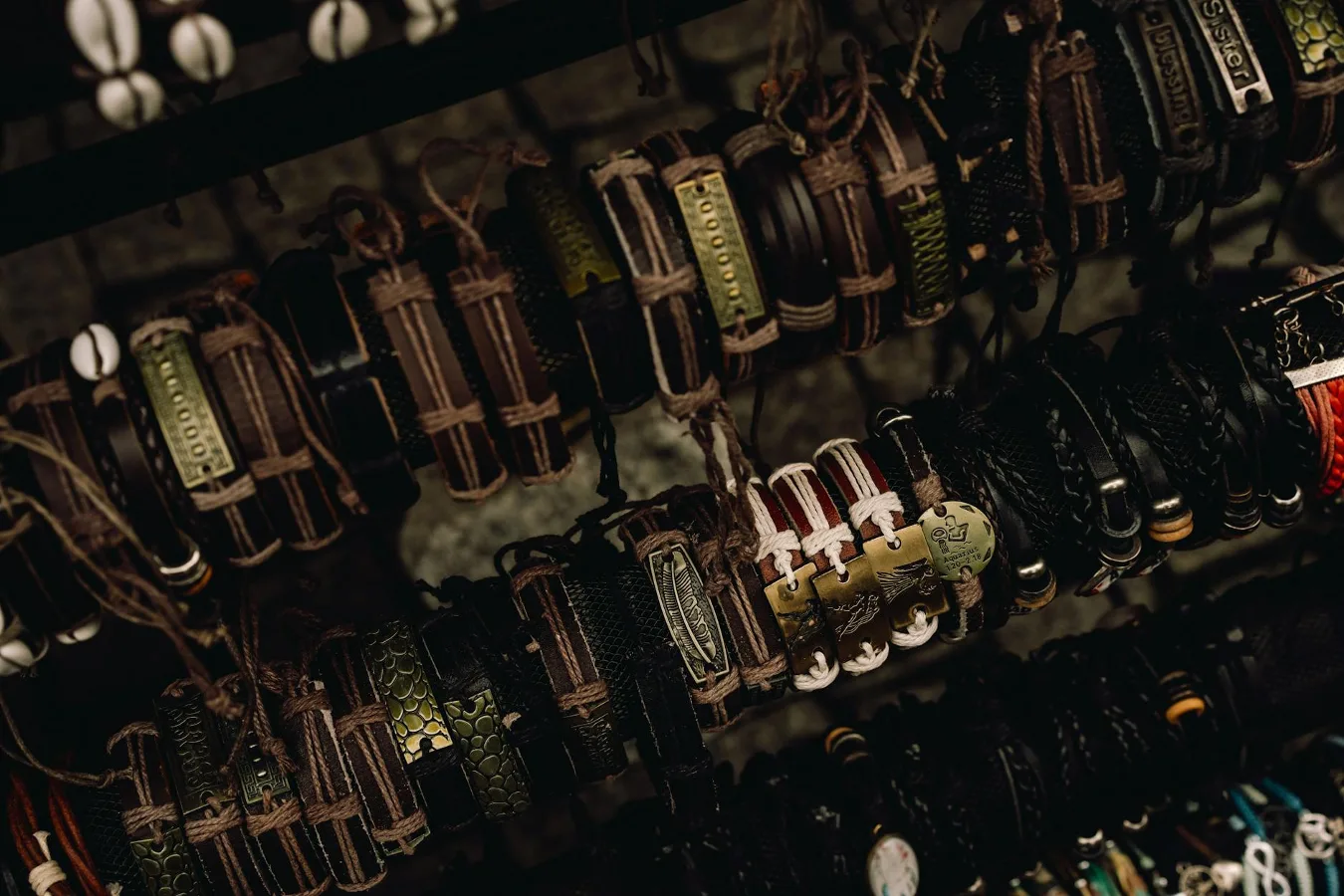
Handmade fashion accessories are best understood as pieces made by an individual maker or a small workshop, where craftsmanship, materials, and design details matter as much as the finished look. If you are shopping for them, the main questions are usually practical: how well is it made, how will you wear it, what materials are involved, and whether the piece fits your budget and lifestyle. Affordable Stylish Fashion Accessories Guide offers more detail on this point. fashion accessories italy offers more detail on this point.
That is what separates a useful handmade purchase from an impulse buy. The strongest pieces often offer more personality than mass-produced alternatives, but they can also vary more in sizing, finish, care needs, and consistency. If you know what to check, you can choose accessories that feel distinctive without becoming difficult to wear or maintain.
Start with the full guide
For the complete topic overview, read 1950s Fashion Accessories Guide
Quick answer: what to look for first
Start with four things: materials, construction, comfort, and versatility. Those factors tell you most of what you need to know before style even enters the conversation.
For jewelry, look closely at the metal finish, closures, and any stones, beads, or woven elements. For bags, belts, scarves, hair accessories, and similar pieces, pay attention to stitching, edges, lining, closures, and how the item sits against the body or clothing. A handmade accessory does not have to look polished in a machine-made way, but it should still feel intentional and sturdy.
Another useful filter is how often you will wear it. A more distinctive handmade piece may be perfect for occasional styling, gifts, or special outfits. A simpler piece with cleaner construction may make more sense if you want everyday use.
How handmade accessories compare with mass-produced ones
Handmade and mass-produced accessories serve different priorities, and neither is automatically better. The right choice depends on what matters most to you.
| Factor | Handmade accessories | Mass-produced accessories |
|---|---|---|
| Design | Often more original and varied | Usually more standardized |
| Consistency | Can vary from piece to piece | Typically more uniform |
| Materials | May feature natural, recycled, or specialty materials | Often optimized for scalable production |
| Fit and finish | Can feel more personal, but quality depends on the maker | Usually predictable within a price tier |
| Availability | May be limited or made to order | Usually easier to replace or reorder |
| Style impact | Often more characterful and distinctive | Often more basic or trend-driven |
A common misconception is that handmade always means higher quality. In practice, workmanship can be excellent or uneven in either category. The advantage is not automatic quality; it is often greater individuality, more visible craftsmanship, and the chance to find a piece with a clear design point of view.
The buying factors that matter most
1. Materials and how they behave
Materials influence appearance, weight, comfort, durability, and care. Natural fibers may drape differently from synthetics. Leather ages differently from coated fabrics. Metal alloys can affect color retention, skin feel, and long-term wear. Beads, shells, resin, wood, and textiles each bring their own strengths and limitations.
Do not judge only by the headline material. Ask how the material is finished, reinforced, or assembled. A woven bag can look beautiful but still need lining or stronger handles. A beaded bracelet may be visually striking but less practical if the thread or elastic is fragile. A leather accessory may offer long-term value if the edges, stitching, and hardware are well executed.
2. Craftsmanship and finishing
Craftsmanship is often easier to see than to describe. Edges should look deliberate. Stitching should be even enough to support use. Closures should function smoothly. Decorative details should look attached with purpose, not added as an afterthought.
With handmade fashion accessories, some variation is normal and even desirable. Small irregularities can signal handwork rather than defect. The key is to distinguish character from sloppiness. If the structure looks weak, the finish feels incomplete, or the closure seems unreliable, the piece may not be worth the premium.
3. Comfort and wearability
Comfort is easy to overlook when an accessory looks special. That mistake shows up fast with earrings that are too heavy, headbands that pinch, belts that sit awkwardly, or bags that feel unbalanced when carried.
For wearable accessories, check the weight, shape, and placement of hardware. For items worn close to skin, consider texture and finish. For pieces that move with the body, think about how they will behave during a normal day, not just in photos. A handmade piece should enhance your outfit, not require you to adjust it constantly.
4. Fit, sizing, and adjustability
Size can be a practical limitation in handmade goods because many are made in small batches or as single pieces. Rings, bracelets, belts, hats, and some hair accessories may have limited sizing or fewer adjustment options than mass-market alternatives.
If you are unsure about fit, look for adjustable closures, flexible construction, or clear measurement information. When that information is missing, treat the item cautiously. A visually appealing piece that does not fit well rarely gets worn often.
5. Versatility and styling range
Some handmade accessories are designed to stand out. Others work as quiet staples. Neither approach is better, but the right choice depends on your wardrobe.
If your closet is built around neutral basics, a bold handmade accessory can carry an outfit. If your clothing already has strong prints, texture, or color, a simpler handmade piece may work better. The most flexible items usually balance personality with restraint, which makes them easier to repeat without feeling obvious.
Where handmade accessories usually shine
Handmade accessories are especially effective when you want your outfit to feel more personal. That includes gifts, occasion dressing, creative work environments, travel, markets, and wardrobe updates where you want one item to do a lot of visual work.
They are also useful if you prefer supporting independent makers or want pieces that feel less interchangeable. Many shoppers like the fact that handmade items can reflect regional craft traditions, specialized techniques, or small-batch material choices. That variety is part of the appeal, especially in categories like artisan jewelry, woven bags, embroidered hair accessories, and leather goods. artisan jewelry guide offers more detail on this point.
At the same time, handmade does not automatically suit every situation. If you need a highly durable item for heavy daily use, you may need to prioritize reinforcement, maintenance, and replacement access more heavily than design originality.
Common mistakes to avoid
- Buying on appearance alone. A beautiful finish does not guarantee strong construction or comfortable wear.
- Ignoring measurements. Many handmade accessories are less standardized than retail accessories.
- Overlooking care requirements. Some materials need gentle cleaning, dry storage, or protection from moisture and abrasion.
- Assuming every handmade piece is unique in a useful way. Uniqueness is valuable only if the piece still fits your wardrobe and routine.
- Forgetting about repairability. Replaceable clasps, reinforced seams, and simple hardware can extend the life of an accessory.
- Choosing trend appeal over long-term wear. A highly decorative item may be harder to style repeatedly.
One overlooked consideration is storage. Handmade accessories are often more vulnerable to crushing, tangling, fading, or finish wear if they are tossed into a drawer with everyday items. Proper storage is not glamorous, but it can make the difference between a piece that lasts and one that ages badly.
How to evaluate quality without overcomplicating it
You do not need to be an expert to assess a handmade accessory. A simple checklist is usually enough.
- Look at the joins: Are seams, links, knots, or attachments secure?
- Check the finish: Are edges smooth, sealed, or intentionally left raw in a way that still looks controlled?
- Test the function: Does the clasp, closure, tie, or fastener feel dependable?
- Assess balance: Does the item hang, sit, or drape in a way that seems practical?
- Review material care: Does the maker explain how to clean, store, or protect the piece?
If a listing provides clear photos, measurements, and material details, that is usually a good sign. If the information is vague, focus on the risk of fit issues, comfort problems, or unexpected maintenance.
Alternatives worth considering
Handmade is not the only route to individuality. Depending on your needs, a few alternatives may be better.
- Small-batch accessories can offer a similar feel with more consistency than one-off pieces.
- Vintage or pre-owned accessories may provide character and better material quality at a different price point.
- Made-to-order pieces can improve fit and customization if you need a specific size or finish.
- Designer accessories may be more standardized while still offering distinctive styling.
The best choice depends on what you value most: uniqueness, fit, durability, ease of replacement, or the story behind the piece. Handmade wins when craftsmanship and character are the priority. Other options can win when predictability or scale matters more.
Practical styling advice for everyday outfits
Handmade accessories work best when they have room to stand out. If your outfit is already busy, choose one focal point rather than several competing pieces. A textured necklace, artisan earrings, or a distinctive bag can do enough on its own.
Think in terms of contrast. A simple top can support a more expressive necklace. Tailored clothing can be softened with woven or hand-finished details. Minimal outfits often benefit from one piece that adds color, texture, or movement without overwhelming the whole look.
For gifts, versatility matters even more. If you are unsure about the recipient’s style, look for clean lines, neutral finishes, or adjustable features. Highly specific statement pieces are exciting, but they are less forgiving if the style is hard to match.
Maintenance and care considerations
Care requirements vary widely, so treat them as part of the purchase decision. Leather may need occasional conditioning and dry storage. Textile accessories may need gentle handling to avoid snagging or fading. Jewelry with mixed materials may need to stay away from water, perfumes, and lotions. Resin, beads, and decorative coatings may require soft cloth cleaning rather than harsher methods.
If the maker includes care instructions, read them before buying. If instructions are absent, that can be a warning sign, especially for items made from delicate or mixed materials. Good care guidance suggests the maker expects the piece to be worn, not just displayed.
FAQs
Are handmade fashion accessories worth the price?
They can be, especially if you value originality, craftsmanship, or materials that are not common in mass-market accessories. The value depends on the quality of construction, how often you will wear the item, and whether it fits your wardrobe.
How can I tell if a handmade accessory is well made?
Check the finishing, closures, seams, and overall balance of the piece. Look for clear material information, practical sizing details, and photos that show the accessory from multiple angles.
What handmade accessories are easiest to wear every day?
Simple earrings, slim bracelets, understated necklaces, leather cardholders, and versatile bags are often the easiest daily options because they are easier to match and usually less demanding to style.
Do handmade accessories require more care?
Often, yes. Many are made with natural, delicate, or mixed materials that benefit from careful storage and gentle cleaning. The exact care depends on the material and construction.
What is the safest choice if I am buying a gift?
Choose something with adjustable sizing or a flexible fit, a neutral color palette, and a style that is easy to wear with everyday outfits. If possible, favor pieces with clear care instructions and straightforward construction.
Handmade fashion accessories are most compelling when they solve a real style need: adding character, improving an outfit, or offering a more personal alternative to mass-produced items. The best purchases are the ones that balance design with wearability, so the piece gets used often rather than admired once and forgotten.