

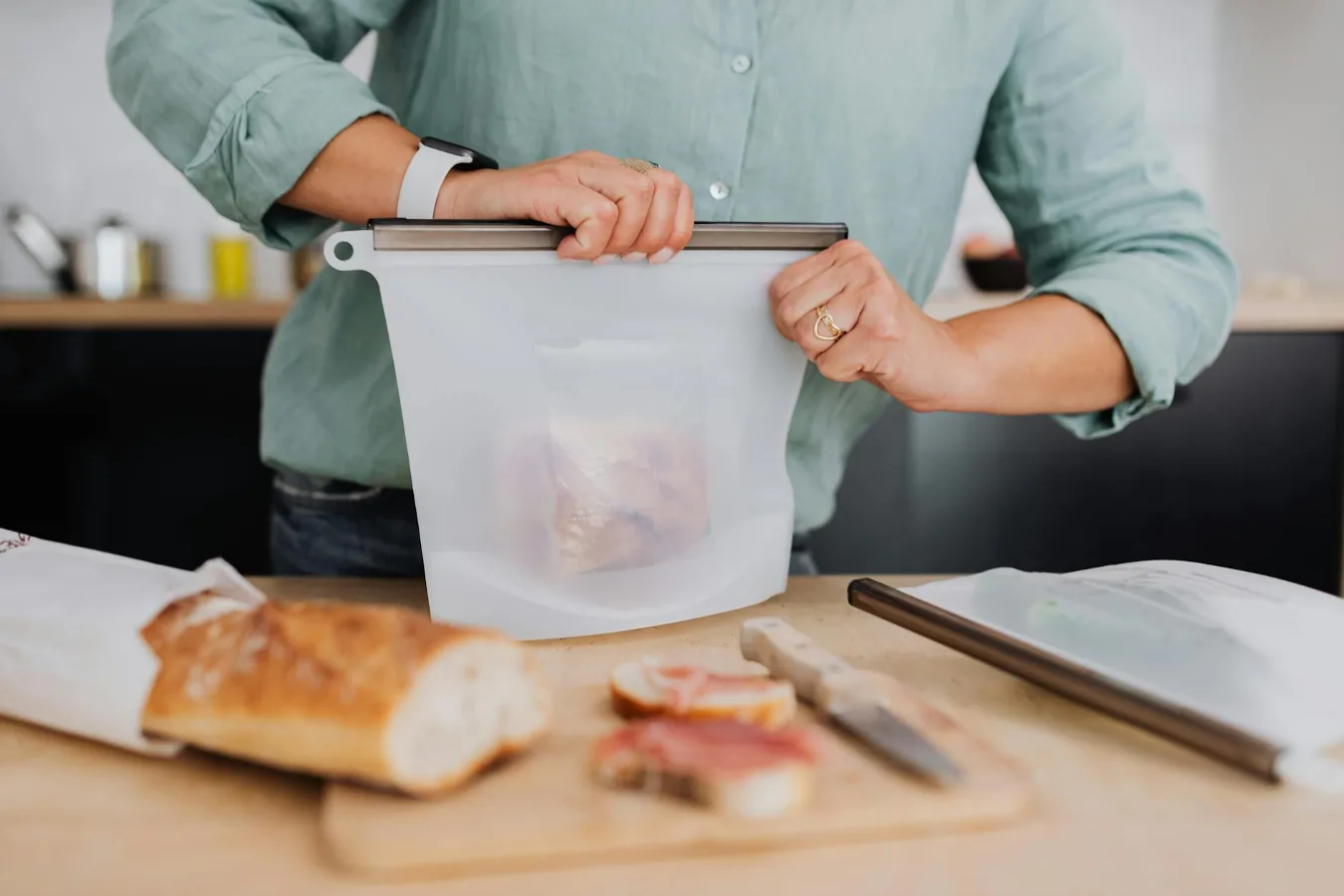
Sandwich bags are one of the simplest kitchen purchases, but the best choice depends on more than just size. Seal quality, material, intended use, and whether you want disposable or reusable storage all affect how well a bag works in daily life.
If you are shopping for sandwich bags, the practical question is not just “which brand?” It is “what will these bags actually be used for?” Packing a turkey sandwich for school, storing sliced fruit, organizing snacks, or freezing leftovers all place different demands on the bag. Choosing with those uses in mind helps you avoid leaks, wasted space, and unnecessary repurchasing. choosing the right size bag for snacks offers more detail on this point.
What sandwich bags are best for
At their most basic, sandwich bags are designed for portable food storage. They help keep bread, fillings, snacks, and small portions together in a compact, easy-to-carry format. For many households, they also pull double duty in the pantry, fridge, freezer, and lunch box. food storage bag basics offers more detail on this point.
The key thing to understand is that not every bag sold as a sandwich bag performs the same way. Some are thin and best suited for dry snacks or short-term use. Others have thicker construction, stronger seals, or reusable materials that make them better for repeated packing and more demanding storage needs.
That difference matters because the wrong bag can make food look messy, lose freshness faster, or fail when you need spill resistance most.
The main factors that matter most
Seal type
The seal is often the most important feature. A zipper-style closure is common because it is easy to open and close, especially for kids or anyone packing lunch quickly. Slide seals can be convenient as well, while press-to-close closures are often preferred for more secure storage.
For sandwiches with moist fillings, a stronger seal is worth prioritizing. If you only need bags for crackers, pretzels, or dry snacks, a less robust closure may be enough. The practical trade-off is simple: better seals usually improve leak resistance and freshness, but they can also be slightly bulkier or more expensive.
Material
Most disposable sandwich bags are made from plastic, while reusable versions may use silicone, PEVA, or other food-safe materials. The right choice depends on how often you use them and how you want to handle cleanup.
Plastic disposable bags are convenient for one-time use and quick cleanup. Reusable bags can reduce waste and may be a better fit for people who pack lunch often, but they require washing and drying. That maintenance step is the main limitation, especially for busy households or anyone who needs a grab-and-go option.
If environmental impact matters to you, reusable bags are worth considering. Still, convenience has value too, and the best option is usually the one you will actually use consistently.
Size and usable space
“Sandwich bag” is a useful label, but actual capacity can vary enough to affect real-world performance. Some bags fit a standard sandwich comfortably, while others are better for flatter items or small snacks.
Oversized bags can waste space and shift food around inside. Bags that are too tight can crush bread or make it hard to close the seal cleanly. A good fit keeps the food protected without excessive empty space.
If you often pack wraps, bulky sandwiches, cut fruit, or stacked snacks, a slightly larger food storage bag may work better than a standard sandwich bag.
Thickness and durability
Thicker bags tend to resist punctures and splits better, which can matter if you store chips, carrot sticks, or sandwiches with sharp edges like crusty bread or toothpicks. Thinner bags may be fine for light duty, but they are less forgiving when overfilled or reused.
Durability also affects whether the bag feels sturdy enough for school backpacks, handbags, or lunch coolers. A bag that opens too easily or tears at the seams can create avoidable messes.
Food fit and freshness
Sandwich bags are not all equally good at maintaining texture. Bread can get soggy if the bag traps too much moisture, while dry foods can stale if the seal is weak or the bag is too loose. This is why the best bag depends on the food, not just the container shape.
For a fresh-made sandwich, a secure seal helps maintain structure during transport. For ingredients that need airflow, such as certain baked items, a tightly sealed bag may not be ideal. In those cases, a container or vented storage option may be a better match.
Choosing the right bag for the job
For school or office lunches
Prioritize ease of use, reliable closure, and a size that fits standard sandwiches without squeezing them. A bag that opens and closes quickly is more practical than one with extra features you will not use.
If lunch is packed early and eaten hours later, leak resistance becomes more important. Look for a seal that closes evenly across the top and a material that feels sturdy enough to handle being moved around in a backpack or tote.
For snacks and portioning
Snack storage is where smaller bags really earn their keep. Crackers, trail mix, apple slices, and nuts all benefit from a bag that minimizes extra space. Smaller packaging can also make portioning easier for families and meal prep. best bag types for meal prep offers more detail on this point.
An overlooked detail here is that portion control works best when the bag size matches the portion. If the bag is too large, it is easy to overfill without realizing it.
For meal prep and fridge storage
If you use sandwich bags to portion ingredients ahead of time, think beyond the sandwich itself. Onion slices, shredded cheese, cut vegetables, and deli portions all have different storage needs. A stronger seal and slightly thicker material usually make more sense for this use.
For meal prep, clarity also helps. Clear bags make it easier to identify contents quickly, which is useful in a crowded refrigerator or pantry.
For freezer storage
Not every sandwich bag is suited to freezing. If you plan to store food in the freezer, choose bags that are labeled for freezer use and look for a closure that limits air exposure as much as possible.
Freezer storage brings a common misconception: a bag that works well for lunch does not automatically work well for freezing. Cold storage puts more stress on materials and seals, so freezer-specific options are worth using when the job demands it.
Disposable vs reusable: which makes more sense?
This is usually the biggest decision. Disposable sandwich bags are faster and simpler. Reusable bags cost more in effort because they must be washed, dried, and stored, but they can be better for people who pack food regularly and want to reduce waste.
Disposable bags make the most sense when convenience is the priority, when cleanup is not practical, or when bags are used only occasionally. Reusable bags make more sense when you have a repeat routine, enough time for maintenance, and a place to dry them properly between uses.
The overlooked constraint is drying space. Reusable food bags are only convenient if your kitchen setup supports regular cleaning and air-drying. Without that, even a good reusable option can feel cumbersome.
Common mistakes when buying sandwich bags
- Choosing the cheapest option without checking seal quality.
- Assuming all sandwich bags are the same size.
- Using a basic bag for freezer storage without checking suitability.
- Buying reusable bags without considering cleanup and drying time.
- Picking a bag that is too large for snacks or too small for a full sandwich.
- Ignoring how the bag will be carried, especially in bags or backpacks.
- Expecting a storage bag to work like a rigid container for delicate foods.
These mistakes usually show up as leaks, crushed food, stale snacks, or a stack of unused bags that seemed practical in the store but do not fit real habits at home.
Better alternatives when sandwich bags are not the right fit
Sometimes the best answer is not a sandwich bag at all. For softer foods, layered lunch items, or anything that should not be compressed, a reusable container may work better. For wet ingredients or soups, choose a leak-resistant container with a secure lid instead of relying on a flexible bag.
If your goal is short-term snack storage, a simple storage container can be more reusable and less prone to tearing. If your goal is freezer organization, bags designed specifically for freezer use are usually a better fit than standard sandwich bags.
This is where the decision becomes practical rather than brand-driven: the best container is the one that protects the food, fits the storage space, and matches the level of effort you are willing to maintain.
How to narrow down the right option
A useful way to choose sandwich bags is to start with the food, then work backward:
- Identify the main use. Lunches, snacks, freezer items, and ingredient prep all need different strengths.
- Match the seal to the task. The more leak-prone or transport-heavy the use, the more important the closure becomes.
- Choose the right material. Disposable for convenience, reusable for lower waste and repeated use.
- Check the size in context. Think about the actual contents, not just the label.
- Consider cleanup and storage. Reusable bags only make sense if washing and drying are realistic.
If you shop this way, the choice becomes much easier. Instead of comparing every bag in the aisle, you are selecting the one that fits a specific routine.
Practical guidance by household type
For families packing school lunches, ease of opening and closing matters almost as much as seal strength. For singles or couples who meal prep on weekends, reusable bags may be worth the maintenance. For people who need quick snack storage in a busy office or travel setting, disposable bags often remain the most convenient choice.
For households trying to reduce clutter, a mix can work well: reusable bags for repeated use at home, and disposable bags reserved for situations where cleanup is not practical. That hybrid approach often makes more sense than committing to one type for every task.
What to remember before you buy
Sandwich bags are most useful when they match the food, the routine, and the level of convenience you expect. Seal quality, material, size, durability, and cleanup requirements matter more than the label on the box.
If you want simple, everyday convenience, a reliable disposable option may be enough. If you want less waste and use bags often, a reusable version can be more sensible. And if your food needs stronger protection than a thin bag can provide, a container or freezer-specific storage bag may be the better choice.
The smartest purchase is rarely the most feature-packed one. It is the bag that fits your storage habits without creating extra work or avoidable mess.