

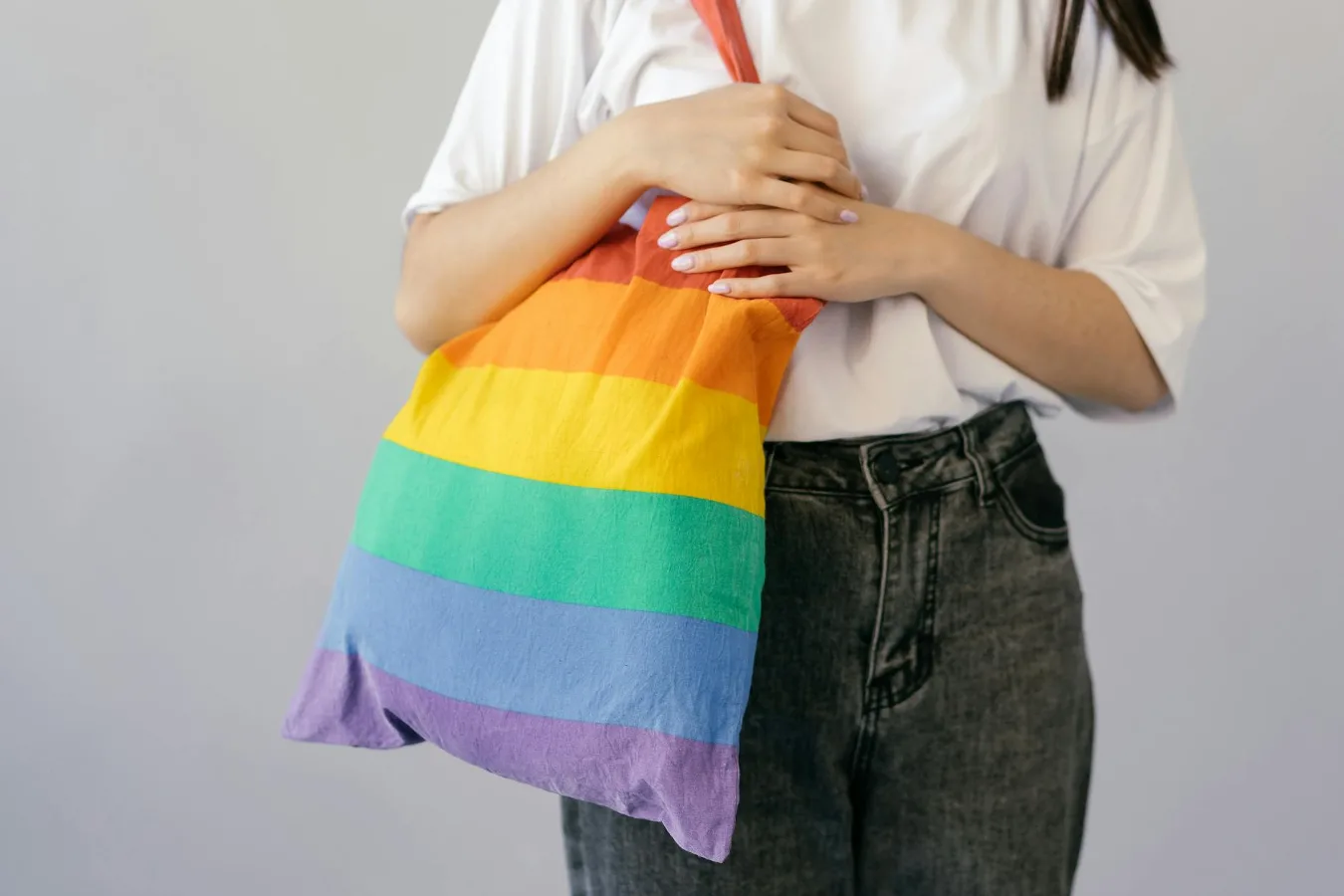
If you are looking for tote bag fashion accessories, the short answer is this: choose a tote that does two jobs well at once. It should carry your essentials comfortably and still look intentional with the outfits you wear most often. The best options are not always the biggest or the trendiest. They are the ones with the right balance of material, shape, details, and practicality for your routine. complete guide to 1950s fashion accessories offers more detail on this point. best everyday accessories for women offers more detail on this point.
A tote bag becomes a fashion accessory when its design choices support your style instead of fighting it. That can mean clean lines, thoughtful hardware, a fabric that suits your wardrobe, or a strap length that actually works with how you dress. For many shoppers, the real question is not whether to buy a tote, but which tote feels polished enough for daily use without becoming fussy. how to style a tote bag offers more detail on this point.
Start with the way you will actually use it
The most useful tote bag is usually the one that matches a real buyer scenario. A student carrying notebooks has different needs than someone commuting to an office, and both are different from someone who wants a weekend bag that still looks refined. Before looking at colors or branding, think about what the bag must hold, how often you will carry it, and where it will appear.
Common use cases that change the decision
- Work and commuting: A tote often needs enough structure to look neat with office wear and enough interior organization to keep items easy to reach.
- Errands and daily carry: Lightweight materials and easy-clean surfaces usually matter more than formal details.
- Travel and weekends: A roomier tote can work well, but comfort and security become more important.
- Style-first outfits: Shape, color, texture, and hardware may matter more than capacity.
This is where a common misconception shows up: a tote bag is not automatically a casual accessory. A well-chosen tote can look refined enough for tailored outfits, especially when the silhouette is structured and the finish is clean.
Shape and structure affect how polished it looks
Tote bags are often described as simple, but their shape changes the entire style impression. A slouchy tote reads relaxed and practical. A structured tote reads more deliberate and often feels closer to a work bag or everyday handbag alternative. Neither is better in every situation.
If you want a bag that elevates your outfit, structure is one of the most overlooked considerations. A bag that collapses heavily when empty can feel casual even if the material is expensive-looking. On the other hand, a rigid tote may be ideal for polish but less forgiving when you need to carry bulkier items.
How to think about structure
- Structured totes: Best when you want a clean, tailored appearance and easier organization.
- Semi-structured totes: A good middle ground for people who want style and flexibility.
- Soft totes: Better for relaxed outfits, travel, or carrying irregular items, though they can look less formal.
As a decision-making insight, choose the shape that matches the majority of your outfits, not the most polished outfit in your closet. If your wardrobe leans casual, an overly formal tote can look disconnected. If your wardrobe is mostly sharp and minimal, a very floppy tote may feel off-balance.
Material matters more than most shoppers expect
For tote bag fashion accessories, material affects appearance, weight, maintenance, and how long the bag stays visually appealing. It also determines whether the tote reads as sporty, refined, earthy, or office-ready. The right material should fit both your style and your tolerance for upkeep.
Common material considerations
- Canvas: Casual, lightweight, and often easy to wear with relaxed outfits. It can be a good everyday option, but it may look too informal for some wardrobes.
- Leather: Often associated with a more polished look. It can work well for workwear and elevated casual outfits, though care requirements may be higher.
- Faux leather: Can offer a sleeker appearance and easier maintenance for some buyers, but quality and finish vary widely.
- Nylon or technical fabrics: Practical for travel and busy days, though the look may lean sporty rather than fashion-forward.
- Woven and textile blends: Can add texture and seasonal character, but may be less versatile across formal settings.
A useful way to judge material is by context. If you want a bag that works with blazers, trench coats, and loafers, a smoother finish usually helps. If your wardrobe is denim-heavy and casual, canvas or textured materials can blend in more naturally.
Maintenance is part of the style equation too. A high-maintenance bag that requires constant care may stop feeling like a practical fashion accessory. If you know you prefer low-effort accessories, prioritize materials that are forgiving and easy to clean.
Details that make a tote feel like a true accessory
Small design choices have a bigger effect than many people realize. Handles, seams, hardware, lining, closures, and logos all influence whether a tote looks minimal, classic, trendy, or utilitarian. These are not just cosmetic details; they shape how the bag works in daily life.
What to look at closely
- Handle drop: If the tote will be worn over the shoulder, strap length matters for comfort and coat compatibility.
- Closure type: Open tops are easy to access, while zippers, snaps, or magnetic closures offer more security.
- Interior organization: Pockets can make a large tote much easier to live with.
- Hardware finish: Metal tone affects how the bag pairs with jewelry, belts, and shoes.
- Branding and logos: A subtle mark can look more versatile than a highly visible graphic, depending on your style.
An overlooked nuance is that a tote can be stylish but still frustrating if the opening is too wide or the interior is just one deep compartment. Fashion value drops fast when essentials sink to the bottom. If organization matters, look for pockets or inserts that prevent the bag from becoming a catchall.
How to choose a tote that fits your wardrobe
The most wearable tote bag fashion accessories usually share one trait: they coordinate easily with the rest of the closet. That does not necessarily mean neutral colors only, but it does mean the bag should feel like it belongs with your dominant style patterns.
If your wardrobe is built around black, white, navy, gray, camel, or denim, a neutral tote will likely get the most wear. If you regularly wear prints or color, a tote in one of the quieter tones already present in your clothing can be easier to integrate than a bag that introduces a new accent color every time.
Style matching questions worth asking
- Do I wear mostly casual, polished, or mixed outfits?
- Will this bag work with my shoes and outerwear?
- Do I want the tote to blend in or stand out?
- Is the look more classic, modern, boho, sporty, or minimalist?
Many shoppers make the mistake of choosing a tote based on what looks attractive on its own rather than what works across outfits. That often leads to a bag that is admired but rarely carried. A versatile tote earns its place by pairing well with more than one style category.
Comfort and carry experience deserve attention
A tote may be a fashion accessory, but if it is uncomfortable to carry, it will not stay in rotation. Weight distribution, handle width, and how the bag sits on the shoulder all matter. A large tote with narrow straps can dig into the shoulder once it is loaded. A bag that looks elegant empty may feel awkward once it carries a laptop, cosmetics pouch, water bottle, and charger.
Try to estimate the heaviest version of your everyday load, not the lightest. If you usually carry only a wallet and phone, a lighter and more fashion-driven tote may be fine. If your bag routinely holds a device, notebook, and extras, comfort becomes a real design factor rather than a preference.
This is especially relevant for commuters and frequent travelers. For them, a tote should not just look good with outerwear; it should stay manageable when worn for long stretches, moved through transit, or placed under a seat.
Trade-offs to expect
No tote does everything. Understanding the trade-offs helps you avoid regret.
- More structure usually means less flexibility. A polished tote may keep its shape better, but it may not adapt as easily to bulky items.
- More capacity can mean less elegance. Oversized totes are useful, but they can overwhelm smaller frames or dressier outfits.
- Lighter materials may wear differently. They can be easy to carry, but they may not deliver the same visual finish as heavier materials.
- Decorative details can reduce versatility. Statement hardware, bold prints, and embellishments may limit how often the bag fits your wardrobe.
These are not flaws so much as design choices. The right tote depends on which trade-offs you are willing to accept. A highly versatile bag often sacrifices some personality. A more distinctive bag often sacrifices some outfit range.
Alternatives if a tote is not quite right
Sometimes the best answer is not another tote, but a different bag category altogether. If you like the look of tote bag fashion accessories but need something better suited to your routine, a few alternatives may fit better.
- Top-handle bag: More structured and often more formal-looking, though usually less spacious.
- Crossbody bag: Better for hands-free use and lighter carry, but not ideal if you need to transport more items.
- Satchel: A middle ground for organization and polish, especially for office wear.
- Backpack in a refined finish: Useful for commuting or travel when comfort matters more than handbag styling.
These alternatives matter because the best fashion accessory is the one you will use regularly. A tote is not automatically the most stylish option if it does not suit your habits or proportions.
Practical next steps before you buy
If you are narrowing down options, use a simple checklist rather than choosing based on appearance alone. That keeps the decision grounded and reduces the chance of buying a bag that looks right online but feels wrong in daily use.
- Define the main use: work, errands, travel, or style.
- Choose the level of structure: structured, semi-structured, or soft.
- Pick a material: based on appearance, maintenance, and climate.
- Check the closure and interior: especially if security and organization matter.
- Match the bag to your wardrobe: consider shoes, outerwear, and color palette.
- Think about comfort: handle width, strap drop, and overall weight.
If you are shopping for a seasonally flexible accessory, a neutral tote with restrained details is usually the safest choice. If you are looking for a signature piece, a more distinctive texture, color, or silhouette can make sense, as long as it still works with enough of your wardrobe.
What makes a tote bag accessory feel current without chasing trends
The strongest tote bag fashion accessories often avoid extremes. They are current because they are clean, usable, and easy to coordinate, not because they rely on a passing detail. That is useful if you want a bag that stays relevant across seasons rather than one that feels dated quickly.
Look for design language that supports longevity: balanced proportions, durable-looking construction, practical closures, and colors that align with your wardrobe rather than compete with it. A tote that feels modern but restrained usually offers the best long-term value, especially if it will be carried often.
For readers building a broader accessory wardrobe, a tote can serve as the anchor piece that ties together everyday looks. It is less about chasing the latest finish and more about choosing a bag that quietly does its job well while still looking intentional.