

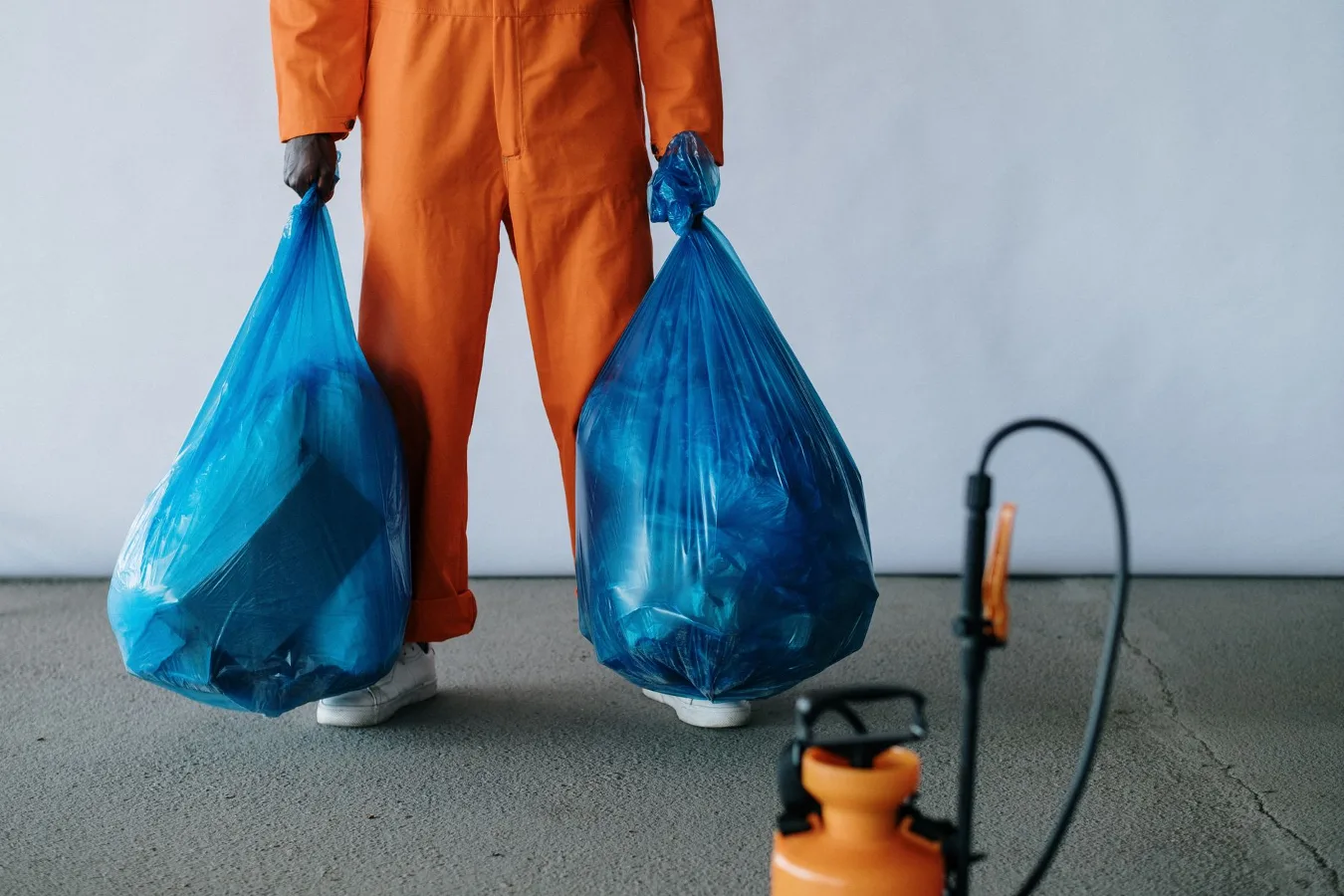
An emesis bag is a disposable bag used to contain vomit or other bodily fluids quickly and as cleanly as possible. It is commonly kept in hospitals, ambulances, travel kits, and home care supplies because it offers a simple way to manage nausea without reaching for a sink, trash can, or improvised container.
If you are looking for an emesis bag, the main question is usually not just what it is, but which design is practical for the person using it. The right choice depends on portability, opening size, closure method, material strength, and how discreetly it can be carried or stored.
Who typically needs an emesis bag?
Emesis bags are most useful in situations where vomiting may happen unexpectedly and cleanup needs to be fast. That includes people prone to motion sickness, patients recovering from anesthesia, parents caring for sick children, caregivers supporting someone with nausea, and travelers who want a backup option in a car, plane, or hotel room.
They are also used in clinical settings because they reduce the need to move someone who is already uncomfortable. In that sense, the bag is less about convenience and more about containment, dignity, and easier cleanup.
What an emesis bag actually does well
The biggest advantage of an emesis bag is straightforward containment. A well-designed bag gives the user a wide enough opening to use quickly, then a way to close or fold the top so the contents are less likely to spill during disposal. That simple function matters more than most people expect, especially when someone is dizzy, weak, or seated in a tight space.
Another practical benefit is portability. Unlike a bowl or basin, a bag takes up very little room and can be stored in a glove compartment, backpack, bedside drawer, carry-on, or first-aid kit. For people who travel often or manage recurring nausea, that convenience can make a real difference.
Buyer scenario: which kind of user are you?
The best emesis bag depends heavily on the use case. A frequent traveler may prioritize compact storage and easy access, while a caregiver may care more about a stable opening and secure closure. A hospital or urgent-care setting may need a bag that is easy to hand off, easy to seal, and clearly disposable.
For home use, especially if someone is recovering from illness, look for a bag that is simple to open one-handed and can be held without collapsing too easily. For travel, a compact design with a secure seal is usually more valuable than extra features. For caregivers, the ability to avoid spills during transport or disposal often matters most.
Trade-offs that are easy to overlook
Emesis bags are useful, but they are not a perfect solution. The main trade-off is that a lightweight disposable bag can be easier to carry but may feel less stable in use. A sturdier bag may be more reassuring, but it can also take up more space or cost more per unit if purchased in a pack.
Another common misconception is that all emesis bags work the same way. In practice, opening shape, stiffness around the rim, and closure method can change how easy the bag is to use under stress. A bag that looks similar on a product page may be much less practical in a moving vehicle or bedside setting.
Odor control is also worth considering, but expectations should stay realistic. Some bags are designed to help contain odor better than others, yet no disposable bag completely eliminates the smell of vomit. If odor sensitivity is a major concern, the way the bag is sealed and discarded can matter as much as the material itself.
Material and design factors that matter most
Strength and leak resistance
For an emesis bag, the most important material consideration is whether it feels sturdy enough to contain liquid without tearing or slipping. Thin plastic may be acceptable for very light use, but the user should not have to worry about leaks while holding or discarding the bag. A more robust construction can offer more confidence, especially for children or for use in a moving vehicle.
Opening size and shape
The opening should be wide enough to use without much aiming. This is a practical detail, but it is often the difference between a usable bag and a frustrating one. Some bags use a round opening, while others use a more structured kidney-style shape. A larger opening is usually easier for adults and children who may feel disoriented or unsteady. doc eureka tea bags offers more detail on this point.
Closure method
How the bag closes matters almost as much as how it opens. Some designs twist and tuck, while others use a drawstring, tab, or fold-over closure. The goal is to make disposal safer and less messy. If the closure is awkward, the bag may still solve the initial problem but create one during cleanup.
Portability and storage
A good emesis bag should be easy to keep within reach. Flat-packed bags are often easier to store in a purse, glove compartment, diaper bag, or bedside organizer. If you are buying for travel, thinness and accessibility may matter more than a premium-feeling finish. Canvas Duffle Bag Buying Guide offers more detail on this point.
Discretion
Many users overlook how visible the bag is when carried or stored. A more discreet package can be helpful for school bags, office drawers, or public travel. That does not affect function directly, but it can influence whether the bag is actually available when needed.
How emesis bags compare with common alternatives
An emesis bag is not the only way to handle nausea, and in some situations it may not be the best option.
- Bathroom access: Best when the person can walk safely and quickly. Not ideal if they are weak, dizzy, or in transit.
- Washable basin or bowl: Reusable and stable, but bulkier and harder to keep nearby in a vehicle or travel bag.
- Diaper-style disposal bag: May help with containment after use, but it is not always shaped for easy vomiting.
- Absorbent pads or liners: Useful as backup protection, but they do not replace a containment bag if vomiting is likely.
- Dedicated motion sickness products: Helpful as prevention, though they do not solve the immediate cleanup problem.
The best option often depends on context. In a hospital room, a basin and an emesis bag may both be available. In a car, the bag is usually the more practical choice because it takes up less space and is easier to dispose of safely.
Common mistakes people make when choosing one
One common mistake is focusing only on the lowest price. A very inexpensive bag may seem fine until it is needed quickly and the opening is awkward or the material feels too flimsy. For a product meant to handle stress and urgency, usability matters more than appearances.
Another mistake is buying a design that is too small for its intended user. A child-sized option may be fine for pediatric care, but adults often need a larger opening and more volume. If you are buying for a household, try to think about who will actually use it most often.
People also underestimate the importance of disposal. If the bag does not seal well, the cleanup problem simply moves from the initial moment to the trash can. For that reason, closure design should be treated as a core feature rather than an afterthought.
Practical guidance for home, travel, and caregiving
For home use: keep a few bags in the bedroom, bathroom, or near a resting area where nausea is likely to occur. The key is accessibility. A bag stored in a cupboard across the house is much less useful than one within arm’s reach.
For travel: place a bag where it can be reached instantly, not buried under clothing or snacks. In a vehicle, consider keeping one in the seatback pocket, center console, or a small pouch. In air travel, the benefit is mainly preparedness and less disruption if motion sickness starts unexpectedly.
For caregiving: the bag should be easy to hand over, easy to hold, and easy to seal without confusion. Clear instructions can help if multiple family members may need to use it. If a person has ongoing nausea, keeping the bags visible and organized can reduce stress when symptoms flare up.
Limitations to keep in mind
An emesis bag is a containment tool, not a treatment. It does not address the cause of nausea, dehydration, or pain. If vomiting is persistent, severe, or paired with other concerning symptoms, medical attention may be more important than the bag itself.
It is also worth recognizing that a bag is only as effective as the person’s ability to use it. If someone is extremely weak, confused, or unable to hold the bag in position, a caregiver may need to assist. That is one reason a wider opening and a secure closure can be more valuable than fancy packaging.
Next steps before you buy
If you are choosing an emesis bag for the first time, start with the use case. Ask who will use it, where it will be stored, and how quickly it may need to be deployed. Then compare the opening size, closure method, material feel, and how compact the bag is when folded or packaged.
If your main priority is travel readiness, choose a bag that stores flat and can be reached fast. If your priority is home care, pick one that is simple to open, hold, and seal. If you are stocking a broader medical or travel kit, consider pairing the bag with tissues, disposable gloves, wipes, and a spare sealable disposal option so cleanup is less awkward. how to choose a medical spill bag offers more detail on this point.
An emesis bag is a small item, but the right version can make a stressful moment easier to manage. The best choice is the one that is easy to use under pressure and practical enough to keep close when it matters.