

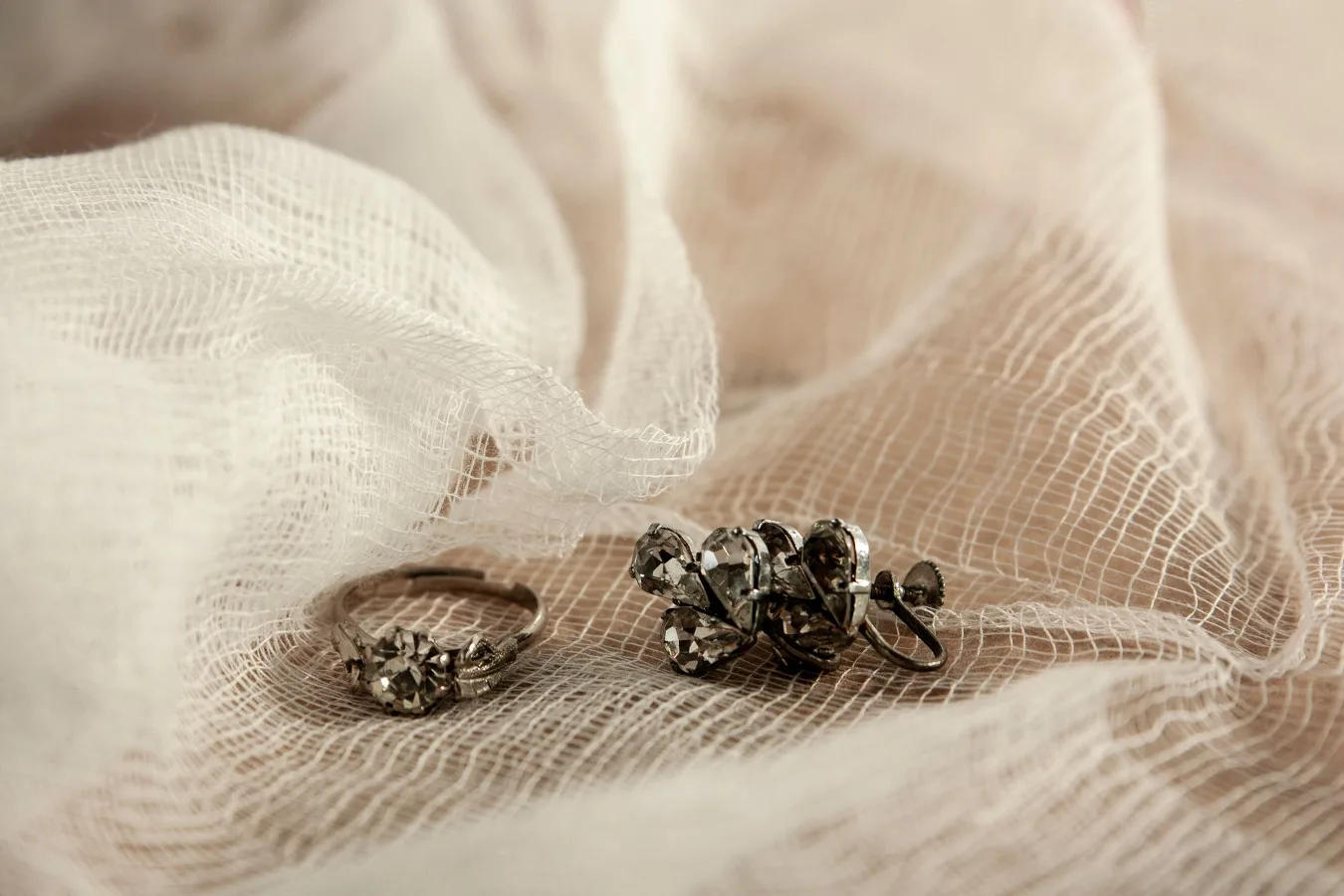
1940 jewelry fashion is usually defined by practicality with polish: pieces were often smaller, more structured, and easier to wear than the flashier styles that came before and after. If you are shopping for the look today, focus less on a strict era costume effect and more on the details that made 1940s accessories feel refined, adaptable, and resourceful. 1930’s jewelry fashion offers more detail on this point. choosing fashion jewelry for retro outfits offers more detail on this point.
The short answer is that 1940s jewelry leaned toward tailored elegance. Think coordinated sets, modestly scaled earrings, brooches, pearls, rhinestones, gold-tone finishes, and designs that worked with suits, dresses, and wartime-era silhouettes. Materials and construction mattered because wartime restrictions affected what makers could use, so the best pieces often balance style with sensible wearability.
Which buyer is 1940 jewelry fashion best for?
This style works well for different shoppers, but the ideal choice depends on how you plan to wear it.
- Vintage collectors may want period-accurate materials, closures, and design details.
- Costume and retro enthusiasts may prefer inspired-by pieces that capture the look without the price or fragility of true vintage.
- Everyday wearers often need lighter pieces, secure clasps, and finishes that can handle regular use.
- Special-occasion shoppers may want more decorative rhinestones, faux pearls, or dressy brooches that read elegant in photos.
A common misconception is that all 1940s jewelry looks understated. Some of it does, but the decade also included bold brooches, sculptural metalwork, layered necklace looks, and statement earrings. The difference is that the drama was usually controlled rather than oversized.
What defines the 1940s look
To shop intelligently, it helps to recognize the design cues that signal the decade.
Form follows the outfit
Fashion in the 1940s was shaped by utility and structure, so jewelry often echoed that mood. Pieces were meant to coordinate with tailored jackets, shoulder emphasis, button-front dresses, and neatly arranged hairstyles. Jewelry rarely competed with the outfit; it completed it.
Popular visual cues
- Brooches worn at the shoulder, collar, or lapel
- Pearls, often faux, in single or double strands
- Rhinestones used for brightness rather than excess
- Gold-tone and silver-tone metals with simple, clean shapes
- Clip-on or screw-back earrings for pierced and non-pierced wearers
- Ribbon, floral, and scroll motifs alongside more geometric forms
One overlooked detail is scale. Many pieces are smaller than modern statement jewelry, which is part of their charm. If a piece feels too large or too heavily embellished, it may read more like a later retro revival than true 1940s style.
Materials and construction to look for
Material choice is one of the most important buying factors in this category, especially if you want a piece that looks right and wears well.
Common materials associated with the era
- Base metals with plating, often gold-tone or silver-tone
- Glass rhinestones in clear or colored settings
- Faux pearls and pearlized beads
- Celluloid and early plastics in some costume pieces
- Bakelite and similar early plastics in select collectible items
- Fabric, ribbon, or mixed-material accents in dressier brooches and clips
For modern shoppers, the practical question is not only whether a material is period-correct, but whether it suits your intended use. True vintage plastics can be collectible but more delicate. Plated metal can look authentic, but finish wear is common. Rhinestones give the era sparkle, yet older settings may be less secure than newer ones.
What to inspect before buying
- Clasp type: make sure it closes securely and suits the way you plan to wear it.
- Stone setting: check whether stones sit firmly or wobble.
- Finish condition: some patina is normal in vintage pieces, but uneven wear may matter if you want a cleaner look.
- Weight: heavier pieces can feel authentic, but they may not be practical for long wear.
- Repairs: re-glued stones, replaced clasps, or altered chains can affect collectability.
If you are buying a gift or building a wearable wardrobe, condition often matters more than strict originality. A well-made reproduction in a stable material may be the better choice than a fragile original that needs careful storage.
Trade-offs: true vintage versus vintage-inspired
Shoppers often choose between authentic 1940s pieces and modern designs inspired by the era. Each has advantages.
True vintage
Pros: genuine period character, collectible appeal, unique details, and a real connection to the era.
Limitations: wear, repairs, missing stones, weakened clasps, and variability in sizing or comfort. Some pieces are best treated as display items rather than everyday accessories.
Vintage-inspired jewelry
Pros: more consistent condition, easier care, stronger closures, and broader size or style options.
Limitations: the design may borrow the mood of the 1940s without matching the exact construction or proportions of period pieces.
For many buyers, the best answer is a mix: one or two authentic pieces for character, plus newer jewelry for frequent wear. That approach gives you the look without forcing every accessory to carry the risk of vintage fragility.
How to choose pieces by use case
Different 1940s-inspired accessories solve different style problems. Thinking in use cases helps you avoid buying pieces that look attractive but stay unworn.
For everyday outfits
Choose smaller brooches, simple pearl studs or clips, and necklaces that sit cleanly at the collarbone. Neutral tones are easier to repeat across outfits, especially if your wardrobe leans toward blouses, knitwear, or structured dresses.
For formal dressing
Look for rhinestone accents, paired earrings and necklaces, or a statement brooch that can anchor a neckline. The key is balance: one focal point is usually more effective than layering several heavy vintage elements at once.
For costume or themed dressing
You can lean more fully into the era with coordinated sets, victory-style pinups, or more dramatic sparkle. Still, fit and comfort matter. Clip-on earrings that pinch or necklaces that twist easily can take the fun out of a look.
For collecting
Focus on maker marks, finish condition, stone integrity, and originality of components. If you care about collectability, altered clasps, replacement stones, and heavy restoration can change the value proposition even when the piece still looks beautiful.
Styling notes that make the look feel right
1940 jewelry fashion works best when it supports the silhouette rather than overpowering it. A few practical styling choices make a noticeable difference.
- Match the jewelry scale to the neckline: smaller chains or brooches often suit higher necklines, while a more open dress can handle a longer pendant.
- Use one focal point: a brooch, necklace, or earrings can carry the look without needing all three to be dramatic.
- Coordinate metals and stones loosely: exact matching is less important than visual harmony.
- Consider hairstyle and shoulders: pinned-back hair can highlight earrings, while tailored jackets showcase brooches well.
A practical nuance many shoppers miss: the 1940s look is often more convincing when jewelry appears slightly restrained. Too much shine, too much volume, or too many competing elements can push the outfit into a generic retro costume feel instead of a refined vintage-inspired one. how to identify vintage-inspired jewelry offers more detail on this point.
Common mistakes to avoid
- Buying only by era label without checking comfort, closure strength, or wear condition.
- Ignoring scale, which can make the piece look too modern or too theatrical for the style.
- Overmatching everything, which can flatten the outfit instead of giving it character.
- Assuming all old jewelry is durable; many pieces need gentler handling than modern fashion jewelry.
- Choosing trendy reproductions with the wrong proportions, which can weaken the 1940s effect even if the motif seems right.
Care and storage considerations
Care depends on the materials, but a few habits protect most vintage and vintage-inspired pieces.
- Store items separately to reduce scratching and tangling.
- Keep plated metal and rhinestones away from moisture and chemicals.
- Handle older clasps gently, especially on brooches and clip earrings.
- Wipe pieces after wear to remove skin oils and residue.
- For delicate or collectible items, avoid harsh cleaning unless you know the material and finish.
Because many 1940s-style pieces use mixed materials, aggressive cleaning can do more harm than good. When in doubt, a soft dry cloth is safer than a strong cleaner.
What to do next
If you want to build a useful 1940 jewelry fashion collection, start with one versatile piece rather than chasing a full set. A brooch, a pair of clip earrings, or a faux pearl necklace can anchor several outfits and help you learn what styles you actually wear.
From there, choose based on your real priorities: authenticity, comfort, durability, or special-occasion impact. That trade-off is the heart of smart vintage shopping. The right piece is not always the oldest or the most ornate; it is the one that fits your wardrobe and your expectations.
If you are comparing options across the broader fashion jewelry cluster, look at styling guides, material guides, and care advice together. That makes it easier to spot whether a piece is a good decorative buy, a collectable vintage find, or simply a reliable accessory for regular wear.
FAQ
What jewelry was popular in the 1940s?
Pearls, brooches, rhinestone pieces, and modest earrings were especially common. Designs often looked polished and practical rather than oversized.
How can I tell if a piece looks authentically 1940s?
Look at the scale, closure type, metal tone, and overall styling. Pieces that feel tailored, compact, and coordinated with clothing usually read closer to the era.
Is vintage-inspired jewelry better than true vintage?
Neither is universally better. True vintage offers authenticity and character, while vintage-inspired jewelry usually gives you easier wear, stronger construction, and less maintenance.
What is the easiest 1940s-style piece to start with?
A brooch or a simple faux pearl necklace is often the easiest entry point because both work with many outfits and fit the era well.