

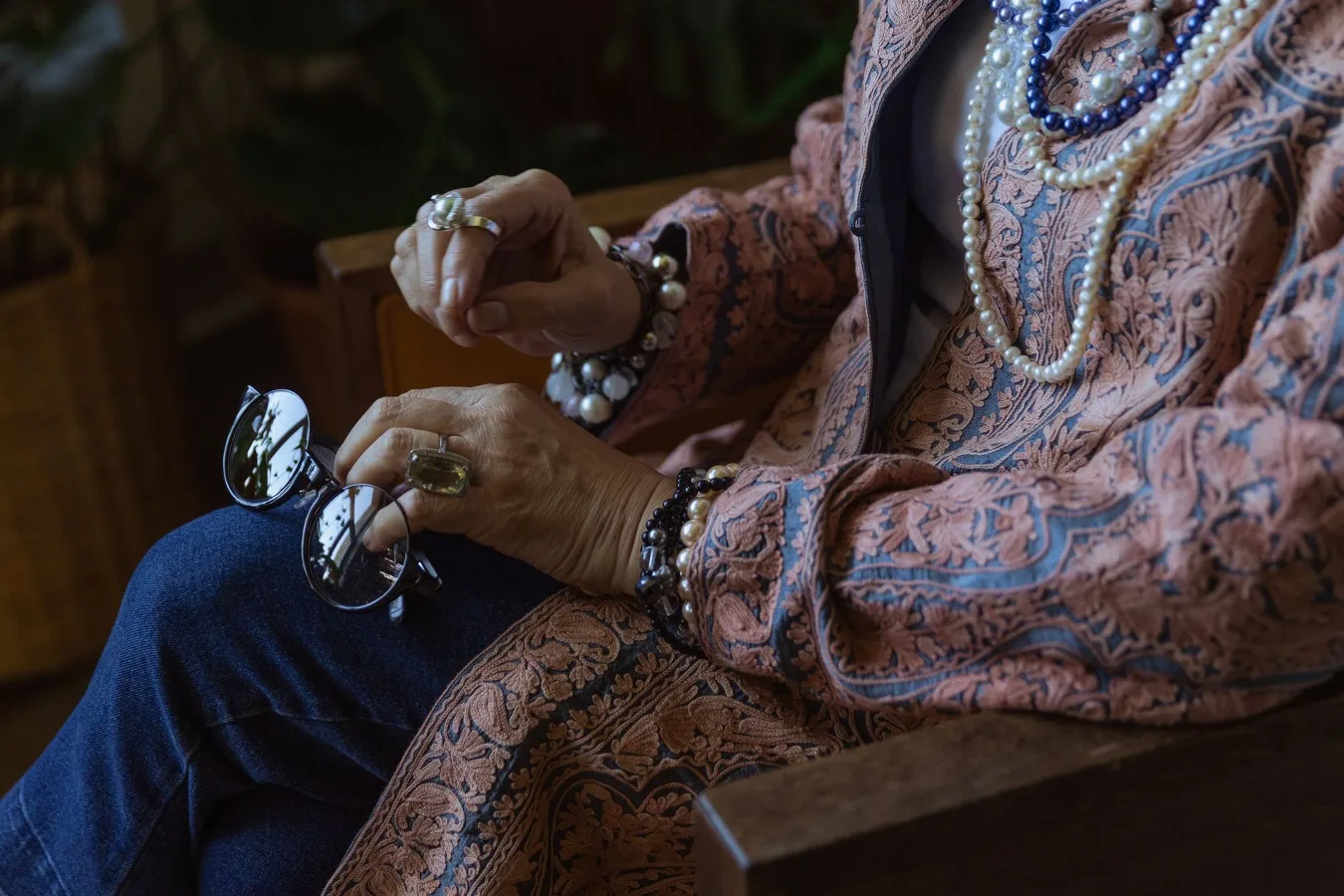
What 1960s fashion jewelry really means
1960s fashion jewelry usually refers to costume jewelry and style-driven pieces that reflected the decade’s changing tastes: bold shapes, playful color, cleaner lines, and a faster move away from the ornate look associated with earlier eras. Depending on the year and the audience, you may see mod styles, space-age influences, floral motifs, geometric forms, and increasingly expressive statement pieces. vintage costume jewelry styles offers more detail on this point. 1960s jewelry fashion offers more detail on this point. how to identify fashion jewelry eras offers more detail on this point.
For shoppers, the term can point to three different things: true vintage jewelry made in the 1960s, later pieces inspired by that decade, or modern reproductions designed to echo the same look. Knowing which one you want matters, because the right choice depends on whether you care most about authenticity, wearability, condition, or price.
If you are browsing for 1960s fashion jewelry, the main question is not just what looks vintage. It is also what fits your wardrobe, how fragile the piece is, and whether the materials and construction match your expectations.
Key style traits to look for
The decade was not stylistically uniform, but several patterns show up again and again. These cues can help you separate 1960s-inspired jewelry from pieces that only borrow the general vibe.
- Geometric shapes: squares, circles, ovals, teardrops, and abstract forms became more common, especially in mod designs.
- Bold scale: many earrings, necklaces, and bracelets were made to stand out rather than blend in.
- Bright or contrasting color: enamel, plastic, acrylic, glass, and colored stones were often used for visual impact.
- Textured surfaces: brushed metal, hammered finishes, and layered details created interest without heavy ornament.
- Space-age influence: sleek, futuristic looks appeared in some jewelry, especially toward the later part of the decade.
- Floral and pop motifs: flowers, leaves, hearts, and playful forms remained popular, particularly in more decorative costume pieces.
A common misconception is that all 1960s jewelry looks loud or plastic. Some pieces are very restrained, with simple metal shapes or minimal decoration. Others lean heavily into color and novelty. That range is part of what makes the category useful for collectors and everyday wearers alike.
How to judge whether a piece is worth buying
For commercial search intent, the most useful way to evaluate 1960s fashion jewelry is by balancing style, condition, and practicality. A piece can be attractive and still be a poor purchase if it is fragile, uncomfortable, or hard to pair with clothing.
1. Materials and construction
Materials vary widely in vintage costume jewelry. Common examples include base metal, plated metal, rhinestones, glass, plastic, lucite, acrylic, enamel, and imitation pearls. The material matters because it affects weight, comfort, tarnish risk, and long-term durability.
Lightweight plastic or acrylic pieces can be easy to wear, especially for larger earrings and bold necklaces. Heavier metal pieces may feel more substantial but can be less comfortable for all-day wear. Some plated finishes and glued components are more delicate, so construction quality matters as much as appearance.
Look closely at clasps, joints, earring backs, prong settings, and any glued accents. A piece that seems visually intact may still have weak points that make it impractical for regular use.
2. Condition and wear
Condition is one of the biggest decision factors for vintage jewelry. Surface scratches, plating wear, missing stones, loose settings, bent pins, and damaged clasps are common issues. Some signs of age are expected and may even add character, but the difference between “vintage charm” and “repair needed” is worth evaluating carefully.
For buyers, the practical question is how much wear you can accept. If you want a display piece or occasional accessory, minor flaws may be fine. If you want something for frequent use, prioritize sturdier examples with secure closures and minimal damage.
Overlooked detail: discoloration on the back of brooches or inside necklace clasps can reveal how much contact the piece has had with moisture, perfume, or skin oils. That does not automatically make a piece unusable, but it can help you judge how carefully it was stored.
3. Authenticity versus style inspiration
Not every attractive piece needs to be genuinely from the 1960s. Some buyers want true vintage, while others simply want the look. Those are different goals, and the right shopping strategy changes with each one.
If authenticity matters, look for signs that align with the era: construction methods, clasp styles, design motifs, and any maker’s marks. If you only want the aesthetic, modern pieces may be a better choice because they are often easier to wear, simpler to maintain, and less fragile than older costume jewelry.
A useful rule: buy the story only when you actually want the story. Otherwise, buy the design.
Popular 1960s styles and how they wear
Several substyles define the decade. Knowing them makes shopping easier and prevents mismatched expectations.
Mod jewelry
Mod jewelry is probably the best-known 1960s look. It tends to use geometric shapes, crisp contrast, and a clean, graphic feel. Earrings may be large but visually simple. Necklaces often rely on repeated shapes rather than ornate detail. This style works especially well with minimal clothing because it creates a sharp focal point.
Statement pieces
Oversized earrings, bold bib necklaces, and eye-catching cuffs became popular because they could transform an outfit quickly. The trade-off is comfort. Larger pieces can feel heavier, swing more, or compete with other accessories. If you like statement jewelry, choose one focal point and keep the rest of the look controlled.
Floral and romantic designs
Not all 1960s fashion jewelry was futuristic or geometric. Floral brooches, leaf motifs, and decorative clusters remained common. These pieces are often easier to style with dressier clothing and can feel softer than mod designs. They also pair well with neutral outfits that need a little texture.
Space-age and experimental looks
Toward the later part of the decade, jewelry started reflecting futuristic themes. Sleeker forms, polished finishes, and unusual shapes gave some pieces a distinctly modernist feel. These designs can be harder to style if your wardrobe is traditional, but they suit simple outfits extremely well.
Practical ways to shop for 1960s fashion jewelry
Whether you are buying online or in person, the best results come from asking a few practical questions before you commit.
- How will I wear it? Everyday use demands comfort and durability. Special-occasion wear allows for more delicate pieces.
- Do I want authentic vintage or the look? This determines how much weight to place on age, markings, and originality.
- What is the main feature? Color, scale, rarity, or condition may matter more depending on your goal.
- Can it fit my wardrobe? A dramatic necklace may be beautiful but still sit unworn if it only works with one dress.
- Will it require repair or special care? If so, factor that into the total value of the piece.
For online shopping, photos are critical. Look for front, back, clasp, closure, and close-up images of stones or finishes. If the listing does not show the reverse side, that can hide wear or later repairs. If measurements are not provided, ask for them. Scale is especially important with 1960s jewelry because a piece that looks subtle in a photo can appear much larger in real life.
For in-person shopping, check weight, flexibility, and comfort directly. Earrings should feel secure, brooch pins should close cleanly, and necklaces should sit where you expect them to. A piece that pulls, pinches, or shifts constantly will usually stay in a jewelry box.
Styling 1960s jewelry without making it feel costume-like
The easiest way to wear 1960s fashion jewelry today is to let it lead the outfit rather than compete with it. That usually means simple silhouettes, controlled color, and careful restraint with other accessories.
- Pair bold earrings with clean necklines: crew necks, boat necks, and simple collars give large earrings room to work.
- Use one statement piece at a time: a bold necklace, cuff, or brooch is often enough.
- Anchor bright jewelry with neutrals: black, white, navy, cream, and denim make colorful pieces feel intentional.
- Mix eras carefully: a 1960s piece can work with modern clothing, but too many retro cues together can read as themed rather than styled.
- Repeat one color or shape: echoing a single detail helps vintage jewelry feel integrated.
If you are styling a brooch, placement changes the mood. On a lapel, it can feel traditional. On a simple knit, it becomes more modern. On a handbag or scarf, it can act as a small accent rather than a focal point.
For rings and bracelets, balance matters. A chunky ring can stand on its own, while stacked bracelets from the same era may feel crowded unless the rest of the outfit is quiet.
Care and maintenance considerations
Older costume jewelry can be delicate, especially when adhesives, plating, or glued settings are involved. Gentle care is usually the safest approach.
- Wipe pieces with a soft, dry cloth after wear.
- Store them separately to reduce scratching and tangling.
- Keep them away from moisture, perfume, hairspray, and lotions.
- Avoid harsh cleaning agents unless the material is clearly suitable.
- Do not soak unknown vintage pieces, especially if they contain glued stones or painted details.
For buyers, maintenance is part of the real cost of ownership. A beautiful vintage necklace that needs delicate handling may still be worth it, but only if you are comfortable treating it as a special-use accessory rather than an everyday workhorse.
Alternatives if you like the look but not the upkeep
Not everyone wants the uncertainty that can come with true vintage jewelry. If you like 1960s style but prefer easier wear, you have practical alternatives.
- Modern vintage-inspired pieces: these often offer the same visual language with sturdier construction.
- Reproduction costume jewelry: useful when you want the exact aesthetic without age-related wear.
- Contemporary geometric jewelry: a good fit if you like mod influence but want a more current finish.
- Minimalist statement pieces: these can echo the decade’s strong shapes without feeling period-specific.
The trade-off is character. True vintage may offer more personality, maker history, and unique patina. Modern alternatives often offer more consistency, simpler maintenance, and fewer surprises.
Common mistakes buyers make
Some of the most common shopping errors are easy to avoid once you know what to look for.
- Buying based on style alone: a piece may look great in a photo but be too fragile or heavy to wear.
- Ignoring scale: 1960s jewelry can be larger than expected, especially earrings and collars.
- Overlooking clasp and back condition: the visible front may be fine while the closure is weak.
- Assuming all vintage is rare: age alone does not guarantee collectibility or value.
- Mixing too many strong elements: bold jewelry, busy prints, and strong makeup can fight each other.
Another practical nuance: some pieces marketed as “1960s” are actually later reproductions or styles that borrow from the decade. That does not make them bad purchases, but it does change how you should evaluate them. If the price assumes true vintage status, be more cautious.
How to choose the right piece for your needs
If you are still deciding, start with the use case.
Choose true vintage 1960s fashion jewelry if: you value period character, collectibility, or a specific historical look, and you are comfortable checking condition carefully.
Choose vintage-inspired jewelry if: you want the same aesthetic with simpler upkeep and more predictable wear.
Choose a statement piece if: you want one strong accessory to shape an outfit quickly.
Choose smaller, geometric pieces if: you want the decade’s influence without a dramatic style commitment.
The best buy is usually the one that fits how you actually dress, not the one that seems most “authentic” on paper. For many shoppers, a clean mod earring or restrained brooch will get far more wear than a highly collectible but delicate showpiece.
FAQ
What defines 1960s fashion jewelry?
It usually includes costume jewelry from the decade with mod, geometric, space-age, floral, or bold statement styling. Materials often include base metals, rhinestones, plastic, acrylic, enamel, and glass.
How can I tell if a piece is really from the 1960s?
Look at design cues, construction details, clasp style, and any maker’s marks. Condition, materials, and overall finish can also offer clues, but no single feature proves age by itself.
Is vintage 1960s jewelry good for everyday wear?
Sometimes, but not always. Heavier, plated, or fragile pieces are better for occasional use, while sturdier designs with secure closures are more practical for regular wear.
What outfits work best with 1960s jewelry?
Simple modern outfits usually work best because they let the jewelry stand out. Clean necklines, neutral colors, and minimal competing accessories make bold vintage pieces easier to wear.
Should I buy true vintage or a modern reproduction?
Choose true vintage if you want age, character, and collectibility. Choose a reproduction if you want easier care, more durability, or a lower-risk way to get the look.