

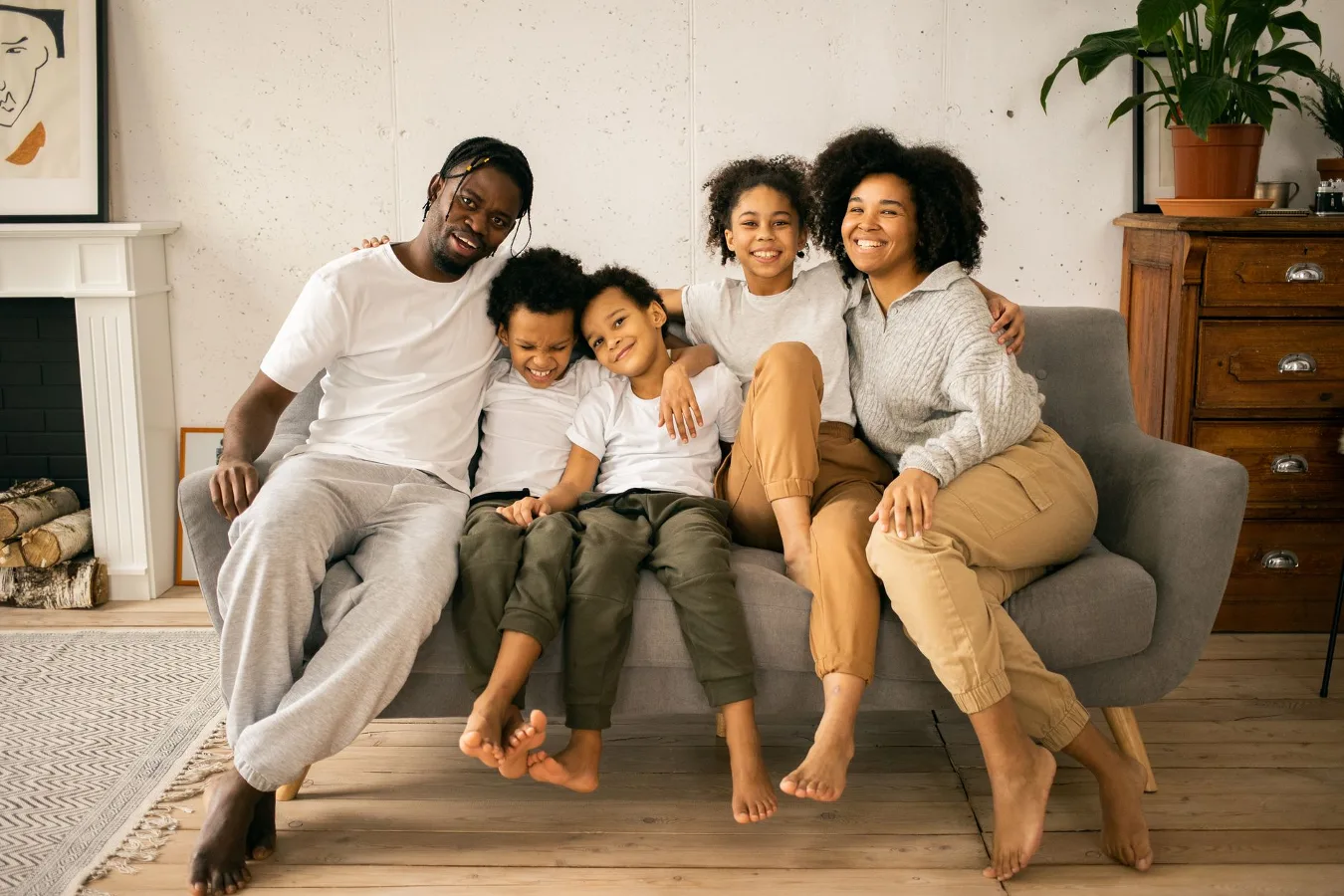
The short answer: choose coordinated outfits that feel like your family
The best clothes for family portraits usually do three things at once: they flatter the people wearing them, they work with the setting, and they create a calm visual palette instead of competing for attention. That is why the most successful family portraits rarely rely on everyone wearing the same thing. They depend on coordination, comfort, and a few smart style choices. what fabrics work best on camera offers more detail on this point. what not to wear for family pictures offers more detail on this point. best way to store clothes long term tips offers more detail on this point.
A good starting point is to pick one or two main colors, then build around them with lighter, darker, or softer variations. Keep patterns restrained, avoid overly loud graphics, and make sure everyone can move and sit comfortably. If the clothes feel awkward in real life, they will usually look awkward in photos too.
The goal is not to create a perfectly styled catalog look. The goal is to make your family look polished, relaxed, and recognizable. The best outfits support the portrait instead of becoming the subject of it.
What actually works best in family portraits
Family portrait clothing is less about a single “right” outfit and more about visual balance. The strongest choices usually share a few traits: they photograph cleanly, they fit the season and location, and they let faces remain the focus.
Start with a color palette, not individual outfits
One of the most useful decisions is choosing a color story before selecting clothes. This gives the group a shared direction without forcing everyone into matching pieces. Soft neutrals, muted earth tones, dusty blues, warm greens, creams, charcoal, and gentle pastels often work well because they are easy to combine and tend to feel timeless.
That does not mean bright colors are off-limits. A single bold color can work if it is used intentionally and balanced with calmer pieces. The main risk is visual noise: too many saturated colors in one frame can make the portrait feel busy and reduce the sense of cohesion.
A practical approach is to think in layers:
- one or two anchor colors
- supporting neutrals
- small accents in accessories or layering pieces
This method helps family members look related without looking uniform.
Choose textures that add depth without distraction
Texture matters more than many people expect. Knits, linen, denim, cotton, soft wool, and subtle woven fabrics often add depth to a photo without stealing attention. Texture helps portraits feel dimensional, especially when the color palette is fairly simple.
By contrast, shiny fabrics, overly stiff materials, and very thin clingy fabrics can be less forgiving. They may catch light in distracting ways or wrinkle in places that look more obvious on camera. You do not need expensive clothes to get this right. You just need pieces that hold their shape and feel intentional.
Fit matters more than trend
The most flattering family portrait clothes usually fit well through the shoulders, waist, sleeves, and hems. Clothes that are too tight can create pulling and discomfort. Clothes that are too loose can make the portrait feel shapeless. The sweet spot is clothing that looks polished but still lets people sit, crouch, carry a child, or walk between locations.
This is especially important for kids. A child who is uncomfortable in an outfit will often look distracted or irritated, which shows in the final images. If a dress, collar, sweater, or shoe is likely to bother them after a few minutes, it is probably not the best choice.
How to coordinate outfits without making everyone look identical
Matching family outfits used to be the default for portraits, but a more modern look comes from coordination. This means everyone’s clothing belongs to the same visual family while still reflecting age, comfort, and personal style.
Use variation in color value
If one person wears navy, another can wear chambray or soft blue-gray, while someone else wears cream or beige. These variations feel connected without looking copy-pasted. The same idea works with greens, browns, pinks, and other tones.
Using different values within the same palette creates depth. It also helps each person stand out enough to be seen clearly, which is especially useful in larger family portraits.
Mix formal and casual only with intention
Family portraits work best when the level of dress feels consistent across the group. A dress shirt next to a graphic tee usually creates tension in the frame, even if the colors coordinate. The same issue appears when one person is dressed for an occasion while others look like they came from an unrelated errand.
That does not mean everyone must dress formally. It means the whole group should agree on a tone: relaxed casual, dressy casual, or polished and elevated. Once that tone is set, individual pieces can vary within it.
Let the setting influence the wardrobe
Outdoor portraits, studio sessions, beach shoots, urban backdrops, and home sessions all benefit from different clothing choices. A flowing dress may feel right in open fields but less practical on a windy beach or in a playground setting. Deep, moody colors may look elegant indoors, while lighter shades can feel fresher in bright natural light.
Think about what is already happening in the background. If the location is visually busy, simpler clothing often works better. If the setting is plain, texture and layering can add interest.
Smart clothing choices by family member
Different people need different priorities, and that is normal. The best family portrait outfits account for comfort, age, movement, and personal confidence.
For adults
Adults often anchor the palette, so their outfits deserve extra attention. A blouse, button-down, knit sweater, midi dress, cardigan, or tailored pants can all work well if the fit is flattering and the fabric behaves nicely on camera.
For many people, simple silhouettes are more photogenic than dramatic cuts. Structured but comfortable clothing tends to look calm and elegant. If you are choosing between two outfits, pick the one that lets you stand, sit, and hold a child without constant adjustment.
For kids
Children photograph best when they can move freely. Soft fabrics, easy closures, and outfits that do not require constant fixing make the session easier for everyone. Avoid anything scratchy, stiff, or too fussy unless the child genuinely enjoys wearing it.
Also consider how the clothing behaves once a child starts moving. Skirts may twist, collars may shift, and shoes may come off. That is not a reason to avoid style altogether, only a reminder to choose pieces that can handle real activity.
For babies and toddlers
With younger children, simplicity usually wins. Rompers, knits, soft dresses, and neutral layers are often easier than highly styled outfits. Babies can be swaddled, carried, or photographed in pieces that are comfortable against the skin. Toddlers are often happiest in clothes that do not get in the way of playing, sitting, or being held.
One overlooked consideration is texture around the face. If a collar, hood, bow, or strap sits too close to the cheeks or chin, it can become a distraction in close-up portraits.
Color mistakes that make portraits harder to style
Some clothing choices do not ruin a portrait, but they make styling harder than it needs to be. Avoiding these common mistakes can save a lot of frustration.
Too many competing colors
A rainbow of strong colors can pull the eye in too many directions. Family portraits usually look more refined when the palette has a clear backbone. If everyone wears something different, there should still be a visible connection among the pieces.
Large logos and graphic text
Prominent logos, slogans, and cartoon graphics tend to date a portrait quickly and can dominate the frame. They also shift attention away from faces. If you want a timeless look, quieter clothing usually serves you better.
Neon and ultra-bright shades
Very bright colors can reflect onto skin and may feel more casual than intended. They are not always a bad choice, but they are harder to style well. If used, they work best as a small accent rather than the dominant feature of the outfit plan.
All black or all white without texture
Monochrome dressing can look elegant, but it can also flatten the image if the clothing has no texture or variation. A little movement, layering, or fabric contrast helps keep those looks from becoming too stark.
Overly busy patterns
Small, high-contrast patterns can create visual competition in photos. Plaids, stripes, and florals can work, but usually in moderation and with enough surrounding solid color to keep the overall image calm. One patterned piece may be enough for the whole group.
Seasonal choices that make sense
Season matters because clothing that looks natural in one setting may feel out of place in another. Dressing for the season helps portraits feel grounded and comfortable.
Spring and summer
In warmer months, lighter fabrics and breathable layers are usually the most practical. Cotton, linen blends, and airy dresses can work well if they are not overly sheer or easily wrinkled in a way that bothers you. Pale neutrals, soft blues, greens, and warm blush tones often suit bright natural light.
For outdoor summer portraits, pay attention to comfort. People who are hot, itchy, or sun-exposed will not be at their best. Lightweight clothing with modest layers can help.
Fall and winter
Cooler seasons are ideal for layering. Sweaters, jackets, textured knits, boots, and heavier fabrics can add richness to a portrait. Deeper colors often feel at home in fall and winter settings, though muted tones can work in any season.
Layers also offer flexibility. If the temperature changes or the location shifts, you can adjust without completely changing the look of the group.
Fabric, movement, and comfort: the details people forget
One of the biggest mistakes in family portrait planning is focusing only on color and ignoring how the clothes behave. Fabric matters because it affects shape, comfort, and how the clothing responds to light and motion.
Some practical questions help narrow the choices:
- Will this wrinkle quickly during travel or sitting?
- Does it hold its shape well enough for photos?
- Will the person wearing it be able to move naturally?
- Does the fabric feel appropriate for the setting and season?
Movement matters just as much. A dress that looks lovely when standing still may not work well if it twists, rides up, or needs constant adjustment. A child’s outfit that restricts movement can make the entire session feel harder. Clothes that allow natural motion tend to look more effortless in the final images.
How to build a family portrait outfit plan
If you want a straightforward process, start with the hardest piece first and build outward from there. For many families, that means choosing the adult outfits or the most color-sensitive garment first, then coordinating everyone else around it.
- Pick the setting and season.
- Choose a color palette with two or three main tones.
- Select one outfit that sets the tone.
- Build the rest of the family’s clothing around it.
- Check for balance in formality, texture, and pattern.
- Try everything on together before the session.
That last step is easy to skip, but it is one of the most useful. Clothing that looks fine on a hanger may clash in person. Trying outfits together helps reveal problems with length, proportion, and color balance before the camera does.
Trade-offs to keep in mind
The best clothes for family portraits are rarely the most practical every day or the most dramatic on their own. They live somewhere in between. That creates a few trade-offs worth acknowledging.
If you choose very neutral clothing, the portrait may feel timeless and calm, but also slightly understated. If you choose richer colors and layers, the image may feel more editorial, but the styling becomes less forgiving. If you prioritize comfort above all else, the clothes may look relaxed and natural, though perhaps less polished. If you prioritize formality, the portrait may feel elegant, but young children may find it harder to stay comfortable.
There is no universal winner. The right choice depends on the family, the location, and the feeling you want the photograph to carry over time.
What to avoid if you want timeless portraits
If your goal is a portrait that still feels good years from now, some choices are safer than others.
- Overly trendy pieces that may date quickly
- Clothes that need constant adjusting
- Heavy branding or text
- Clashing levels of formality
- Very stiff or uncomfortable fabrics
- Matching outfits that erase individual personality
Timeless does not have to mean plain. It simply means the clothing should support the portrait instead of anchoring it to a short-lived trend.
A simple way to think about the best outfit formula
If you are still undecided, use this practical formula: choose comfortable clothes in a coordinated palette, mix solids with one subtle pattern, and keep the overall level of dress consistent. That combination works for a wide range of families, locations, and portrait styles.
The strongest family portrait outfits rarely look overworked. They feel considered, but not stiff. They coordinate, but do not match too literally. They are comfortable enough to let people relax, which is usually what makes the portrait feel genuine.
That balance is what turns a set of clothes into a photograph that still feels like your family when you look at it later.