

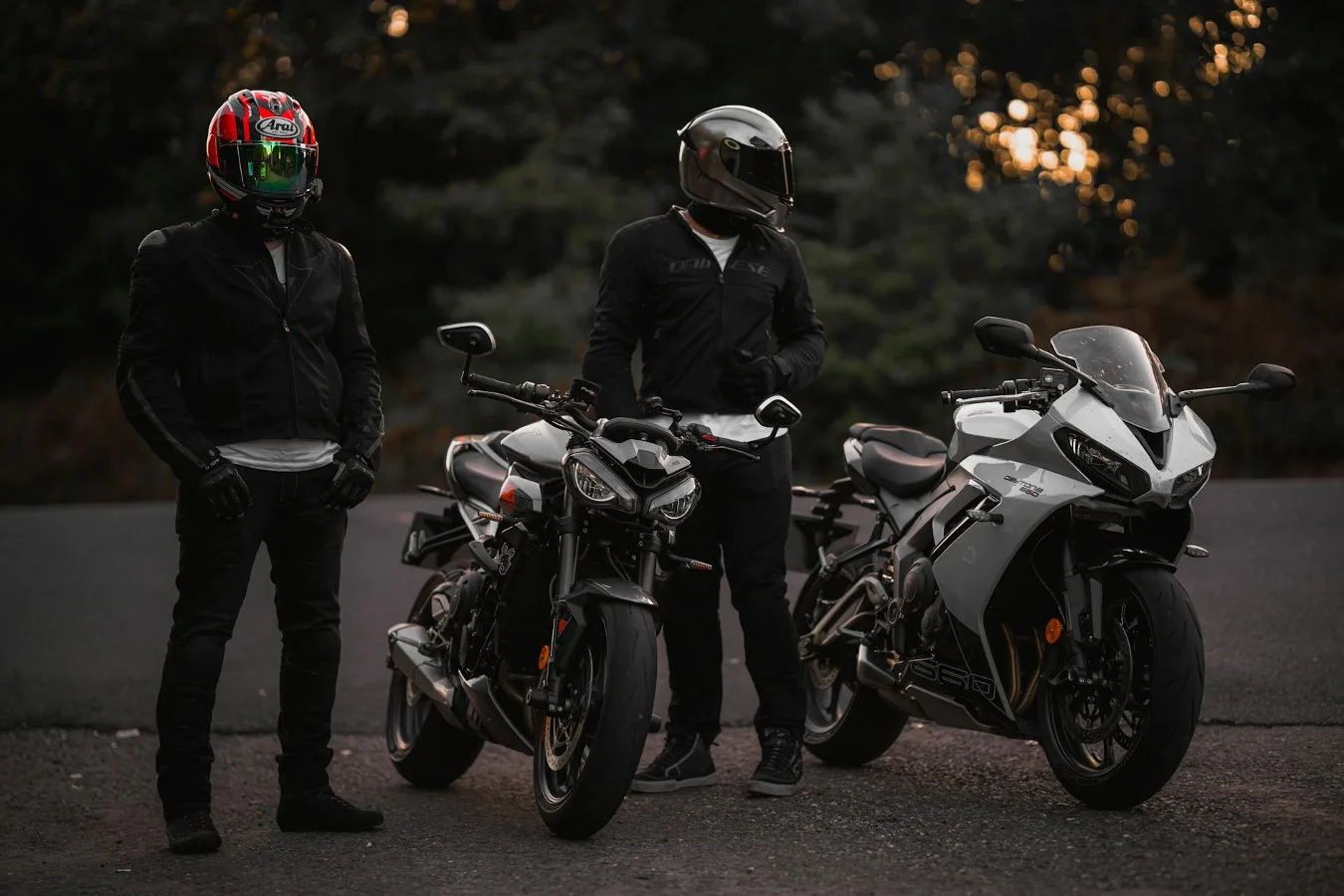
Dual sport bike gear is gear built to handle a split routine: road miles, gravel, fire roads, trail sections, and changing weather. For most riders, the best setup is not the most aggressive dirt kit or the heaviest touring outfit. It is the one that balances protection, mobility, ventilation, and weather resistance for the kind of mixed riding you actually do. best gloves for mixed-surface riding offers more detail on this point.
If you are shopping for dual sport bike gear, start with that idea. You are not choosing pieces for a single environment. You are choosing a system that needs to work on pavement at highway speed, then stay comfortable and practical once the pavement ends.
What dual sport bike gear needs to do
Dual sport riding asks more from gear than either street-only or dirt-only riding. You may spend part of the day sitting in traffic, then stand on the pegs through washboard or loose terrain. That means your gear has to support a wider range of movement and conditions than a typical road setup.
The most useful dual sport bike gear usually covers five priorities: impact protection, abrasion resistance, weather adaptability, ventilation, and freedom of movement. That combination is hard to find in a single perfect package, so trade-offs are normal.
Start with the rider scenario, not the product category
The right setup depends on how you ride. A rider who spends most of the time on pavement with occasional forest-road detours needs different gear from someone who treats dual sport riding as light enduro use with short pavement connectors.
Mostly road, occasional dirt
If your riding stays mostly on pavement, lean toward protective street-oriented gear with enough flexibility for standing and moving on the bike. A textile jacket, armored pants, sturdy gloves, and adventure-style boots usually make more sense than pure motocross equipment. You will likely appreciate better wind management, longer wear in the rain, and easier all-day comfort. adventure riding gear essentials offers more detail on this point.
Balanced road and trail use
For riders who split time more evenly, versatility becomes the deciding factor. Look for gear that includes removable liners, adjustable vents, stretch panels, and armor that stays in place when you move. This is the zone where many dual sport riders live, and it is also where poor fit becomes most obvious.
More dirt than pavement
If you ride rough terrain more often than not, off-road influence matters more. You may prefer lighter, more breathable gear with stronger focus on mobility, plus boots and protection designed for repeated standing, impacts, and falls at lower speed. The downside is less weather protection and less road comfort, especially during long highway transfers.
Trade-offs you should expect
There is no perfect dual sport outfit. A gear set that protects well in a slide may run warmer and feel bulkier. A lightweight off-road setup may move beautifully on trails but leave you underprepared for wind, rain, or road abrasion.
That tension is the main decision-making challenge. The goal is not to eliminate trade-offs. It is to choose the ones that match your rides.
- More protection often means more weight, more bulk, and less airflow.
- More ventilation usually means less weather sealing and sometimes less abrasion coverage.
- More off-road mobility can reduce comfort during long highway days.
- More touring comfort can feel restrictive when standing or moving quickly on uneven ground.
A common misconception is that dual sport gear should always look like motocross gear. In practice, many riders do better with protective street gear that has off-road-friendly mobility, especially if their rides involve long paved transitions.
Material and construction factors that matter
For dual sport bike gear, materials matter because they affect protection, weight, breathability, and durability. The best choice is usually the one that fits your climate and riding surface mix.
Jackets
Textile jackets are common for dual sport riding because they can offer a useful mix of airflow, weather resistance, and armor compatibility. Look for durable outer fabrics, reinforced high-wear areas, and a cut that allows you to reach the bars without pulling across the shoulders.
Some riders prefer laminated waterproof shells, while others prefer removable rain liners. Laminated designs can be easier to live with in changing weather, while removable liners can be more flexible if you only need waterproofing occasionally. The trade-off is usually between convenience, weight, and versatility.
Pants
Riding pants should let you bend your knees and stand comfortably without binding at the seat or crotch. Dual sport pants often need more room than strict street pants, but not so much that the armor shifts around.
Reinforced knees, abrasion-resistant panels, and compatible armor pockets are useful features. If you wear knee braces or bulky guards, check clearance carefully. Some riders overlook this until they try to sit on the bike and realize the pants fit well standing but fail in riding position.
Gloves
Dual sport gloves need to strike a balance between feel and coverage. Lightweight dirt-style gloves offer excellent bar control but may not provide enough abrasion resistance for road use. Heavier street gloves protect more but can feel hot and clumsy in technical terrain.
For many riders, a hybrid glove with reinforced palms, knuckle protection, and decent airflow is the most practical middle ground.
Boots
Boot choice is one of the biggest safety and comfort decisions in dual sport bike gear. Off-road boots usually offer stronger protection around the ankle, shin, and foot, but they can be stiff for walking. Adventure and dual sport boots typically aim for a middle path: enough protection for riding, enough comfort for short stops and light walking.
Think about terrain and trip style. If you are frequently on rough trail sections, stronger support matters. If your rides involve sightseeing, errands, or long breaks off the bike, a more walkable boot may be the better fit.
Helmet
Dual sport helmets often emphasize ventilation, visor management, and compatibility with goggles or face shields. The right choice depends on how much dirt exposure you expect. Riders who spend more time on road may want better wind buffering and quieter behavior. Riders who stand in dust or mud often value peak usability and good airflow more than refinement.
Helmet fit matters more than styling. A dual sport helmet that is too loose, too narrow, or badly balanced can become tiring quickly on long mixed-surface days.
Protection level: where to be practical, not optimistic
Dual sport riders sometimes underbuy protection because they expect low-speed trail use, then overestimate how forgiving mixed riding really is. Pavement changes the equation. Even modest road speeds can produce more abrasion risk than many riders expect.
That does not mean you need the heaviest gear available. It means you should choose protection based on your actual exposure.
- Armor placement should stay aligned in riding position, not just while standing in a showroom.
- Impact coverage should include the elbows, shoulders, knees, and hips where appropriate.
- Abrasion resistance matters more when you spend real time on pavement.
- Mobility matters when standing, shifting weight, or dabbing a foot on uneven ground.
One overlooked consideration is how armor behaves when you are moving around on the bike. Some pieces feel fine at rest but slide or bunch once you start standing, climbing hills, or hanging off the seat. That is why fit and articulation matter as much as the protection label.
Weather and climate should shape your setup
Dual sport riding often exposes you to wider temperature swings than city riding. You may start in cool morning air, heat up on a climb, then get caught in a sudden storm. The best gear system handles those transitions without forcing you to stop constantly and rearrange layers.
Hot-weather riding
For warm climates, prioritize airflow, moisture management, and light layering. Venting alone is not enough if the gear gets sloppy or the armor shifts. Mesh can work for some road-heavy riders, but pure mesh may be too exposed for frequent brush, roost, or trail debris.
Cold or wet riding
For colder or wetter regions, pay close attention to the weather barrier. Removable thermal liners can help, but they also add bulk. Waterproof over-layers are another option, especially if you want to keep your main riding gear more breathable when conditions are dry.
A practical approach is to build around layers rather than hoping one jacket solves every season. Base layers, insulating mid-layers, and packable rain protection often create more flexibility than a single all-in-one shell.
Comfort details that are easy to miss
Comfort is not a luxury in dual sport riding. If your gear pinches, shifts, or overheats, you will notice it quickly on longer rides, and fatigue tends to reduce concentration.
Pay attention to these details before buying:
- Seam placement, especially under the arms and behind the knees
- Cuff design for sealing around gloves and boots
- Stretch panels where the body needs to move
- Collar shape and how it feels with neck gaiters or neck braces
- Adjustment straps that keep armor and fabric stable
Fit can be tricky because a piece may feel good while standing but fail when seated, crouched, or reaching for the bars. If possible, check how the gear feels in riding posture rather than relying on a mirror test.
Common mistakes when buying dual sport bike gear
Many riders focus too much on style or on a single feature, such as waterproofing. That usually leads to compromises they notice later on the trail or highway.
- Choosing gear only for off-road use and then finding it tiring on the road
- Buying overly bulky protection that limits movement and causes fatigue
- Ignoring fit with armor installed
- Overlooking glove and boot compatibility with jacket cuffs and pant legs
- Assuming one waterproof layer solves every weather problem
- Skipping ventilation and then overheating during slow technical riding
Another practical mistake is treating every dual sport ride the same. A short local loop and a multi-day mixed-surface trip do not call for the same setup. If you ride across seasons, a modular system usually serves you better than a single fixed outfit.
Alternatives worth considering
Dual sport bike gear is not the only valid approach. Depending on your riding style, a few alternatives may make more sense.
Adventure touring gear
This is a good fit for riders who spend more time on pavement but still want the ability to handle unpaved roads. It usually offers stronger weather protection and more comfort for longer distances, though it may be less agile in demanding dirt riding.
Off-road or enduro gear
Better for riders who prioritize movement, heat management, and trail performance. It can be a smart choice for more aggressive dirt use, but it often needs added layers or separate pieces for road comfort and protection.
Street-focused protective gear
If most of your mileage is paved, this may be the most sensible foundation. You can then add off-road-friendly boots, gloves, or layers where needed instead of building around dirt-first equipment.
How to build a practical setup
If you are assembling dual sport bike gear from scratch, start with the pieces that have the biggest impact on safety and comfort.
- Choose a helmet that fits correctly and matches your wind, dust, and visor preferences.
- Pick a jacket that balances protection, ventilation, and weather handling for your climate.
- Select pants that stay comfortable seated and standing, with armor that does not wander.
- Buy boots based on the roughest terrain you regularly ride, not the easiest.
- Finish with gloves that match your expected temperature range and control feel.
After that, add layers and accessories based on your route. Rain gear, neck protection, hydration storage, and knee protection can make a bigger difference than buying a more expensive shell in the first place.
Maintenance and longevity
Well-chosen gear lasts longer when it is cleaned, dried, and stored properly. Mud, sweat, road grime, and sunscreen all shorten the useful life of fabrics and closures if they are left sitting.
Check armor pockets, seams, fasteners, and zippers periodically. Boots also benefit from routine care, especially if they see wet conditions or repeated dirt exposure. If waterproofing or breathability starts to decline, that is often a sign that maintenance is due rather than an automatic reason to replace everything.
FAQ
What is the best dual sport bike gear for beginners?
The best starting point is usually a comfortable helmet, a protective textile jacket, riding pants with armor, durable gloves, and boots that offer a balance of support and walkability. Beginners usually benefit more from fit and versatility than from specialized race-style equipment.
Can I use motocross gear for dual sport riding?
Sometimes, but not always. Motocross gear is excellent for movement and ventilation, yet it often offers less weather protection and may be less comfortable on long paved sections. It works best for dirt-heavy riding with limited road time.
Is waterproof gear necessary for dual sport riding?
Not always, but some form of weather protection is usually worth having. A waterproof shell, liner, or packable rain layer can be more practical than relying on breathable gear alone, especially if your rides cover changing elevations or unpredictable weather.
Should dual sport boots be stiff?
They should be supportive, but stiffness is a trade-off. More structure usually improves protection and stability, while more flexibility improves walking comfort. The right balance depends on how technical your riding is and how often you get off the bike.
How do I know if my gear fits correctly?
Fit should feel secure in riding position, not just when standing still. Armor should stay centered, sleeves and pant legs should not ride up, and nothing should pinch when you reach the bars or bend your knees. Try to assess fit with the movements you actually make on the bike.
Next steps
If you are comparing dual sport bike gear, begin with your most common riding scenario and build outward from there. Decide how much road comfort, trail mobility, and weather protection you truly need, then choose the pieces that support that balance. how to choose motorcycle protective gear offers more detail on this point.
That approach usually leads to better long-term value than chasing the most aggressive or most feature-packed option. The best dual sport setup is the one that works on the road, holds up off-road, and still feels reasonable after a full day in the saddle.