

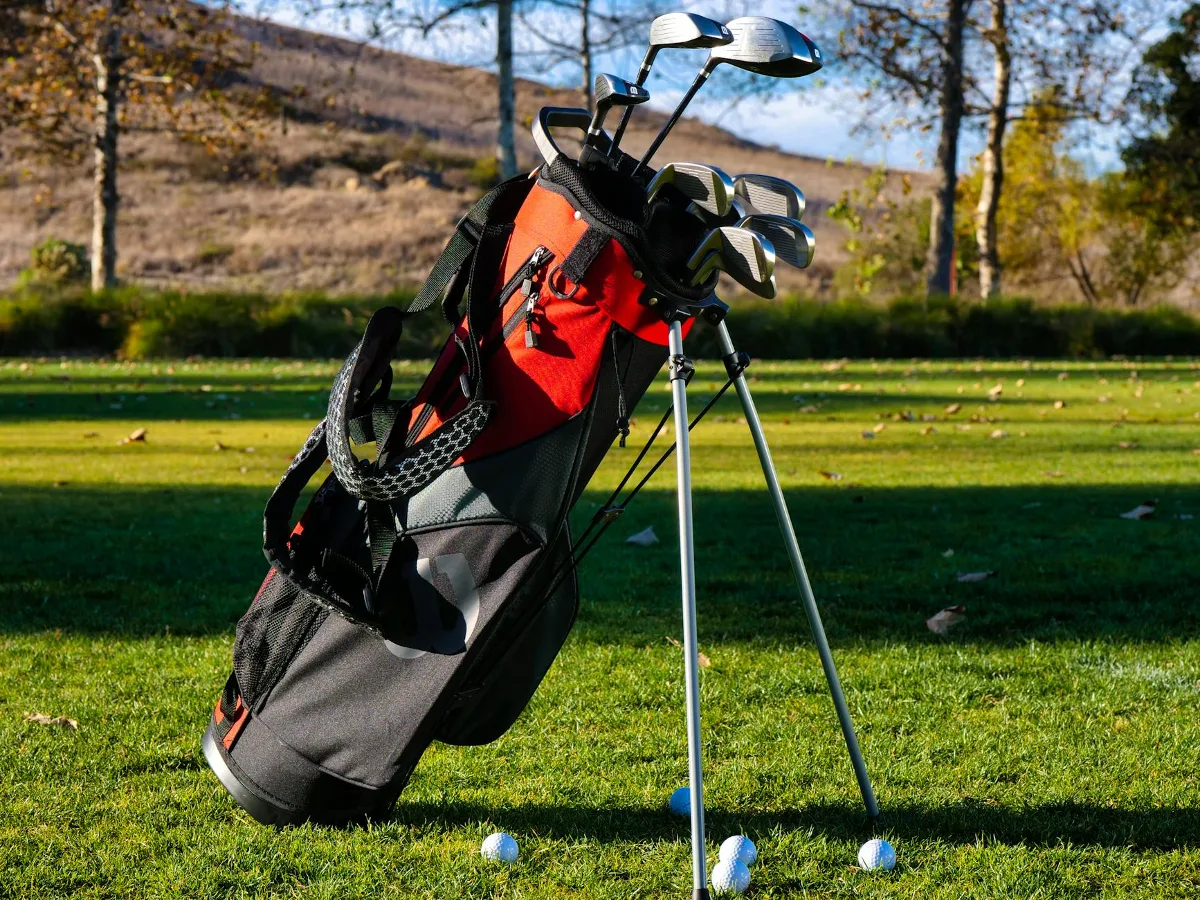
Quick answer: how many clubs are in a golf bag?
A golf bag can carry up to 14 clubs under the Rules of Golf. That is the standard limit for a player during a round in most forms of play. golf bag size and storage space offers more detail on this point. bread bag offers more detail on this point.
But “up to 14” does not mean you need 14. Many golfers carry fewer clubs because they are still building a set, prefer a lighter bag, or want more flexibility in how they cover different distances.
The practical answer is simple: the legal maximum is 14 clubs, and the right number for your bag depends on how you play.
What the 14-club rule means in practice
The 14-club limit is about the clubs you carry or use during the round, not how many could physically fit into the bag. Most golf bags can hold more than enough room for a full set, but the rules still cap the number of clubs you can use. glamaholic tote bags offers more detail on this point.
That limit applies whether you are playing with a driver, irons, wedges, and putter, or some custom combination of clubs. If you bring more than 14, you may need to remove the extras before play or risk a penalty in competition and handicap-relevant rounds.
For many golfers, the rule creates a useful boundary. It forces you to think about club gapping, shot-making needs, and whether your set has too much overlap.
Typical golf bag setup: what most players carry
There is no single required club mix, but a common 14-club setup often includes:
- 1 driver
- 1 or 2 fairway woods or hybrids
- 6 to 8 irons, depending on the set makeup
- 2 or 3 wedges
- 1 putter
That is only one version of a full set. Some players lean on hybrids instead of long irons. Others carry extra wedges for better scoring control around the green. A more forgiving beginner set may also simplify the long end of the bag with fewer hard-to-hit clubs.
The right setup usually depends on three things: distance gaps, shot confidence, and the type of course you play most often.
How to think about the right number for your bag
If you are asking how many clubs should be in a golf bag, the better question is often how many clubs your game actually uses well. Carrying 14 is allowed, but it is not always necessary.
For beginners
Beginners often do better with fewer clubs. A smaller set can make decisions easier and reduce confusion at the tee box or in the fairway. It also keeps the bag lighter, which matters if you walk the course.
A simple beginner setup might include a driver, a hybrid, a few irons, a couple of wedges, and a putter. The goal is not to own every possible club. The goal is to have clubs you can hit with some consistency.
For casual golfers
Casual players usually benefit from a balanced set rather than a perfectly optimized one. If your rounds are social and you are not trying to cover every possible yardage gap, a reduced set may be perfectly practical.
That said, leaving too many gaps can create awkward yardages and forced shots. If you frequently find yourself between clubs, it may be worth reviewing your setup.
For more experienced players
Experienced golfers often fill all 14 slots, but not simply because the rules allow it. They tend to be more intentional about specific distances, turf interaction, and course strategy. A stronger player may also carry more wedges or fine-tune the top of the bag with woods and hybrids that match their launch windows.
Even then, there are trade-offs. A bag packed with specialized clubs can become less flexible if you play different course conditions, travel often, or like to keep things simple.
Why fewer clubs can sometimes be better
One common misconception is that a fuller bag is always a better bag. In reality, more clubs can create more overlap. If two clubs travel nearly the same distance, one of them may be taking up space without adding much value.
Fewer clubs can help in a few ways:
- Less weight if you carry your bag
- Simpler decisions on the course
- Cleaner distance gaps when clubs are chosen carefully
- Easier practice because you focus on a smaller, more familiar set
This is one reason many golfers move toward hybrid-based setups or choose wedge combinations more carefully instead of automatically maxing out every slot.
Where the real planning happens: club gapping
The most useful way to build a golf bag is by thinking in terms of gapping. That means making sure each club covers a useful distance window without too much overlap.
For example, if your driver and 3-wood overlap too much, one might stay in the bag only because it is comfortable off the tee. If your pitching wedge and sand wedge leave a large distance gap, you may need another wedge or a different loft combination.
Good gapping matters more than simply reaching 14 clubs. A bag with 12 well-chosen clubs can often be more useful than a full 14-club setup that leaves awkward yardages uncovered.
Common bag-building trade-offs
Choosing how many clubs to carry usually involves a few trade-offs.
Distance coverage vs. simplicity
More clubs can help cover more distances, but they can also make the bag more complicated. A simpler setup is easier to manage, especially for newer players.
Specialty shots vs. versatility
Some golfers like extra wedges for bunker shots, chips, and partial swings. Others would rather use fewer clubs and learn to hit different shots with the same club. Neither approach is automatically better.
Performance vs. portability
If you walk the course, every extra club adds weight and bulk. If you ride in a cart, portability may matter less, but bag organization and access still matter.
Mistakes to avoid when filling a golf bag
There are a few mistakes that come up often when golfers decide how many clubs to carry.
- Ignoring the 14-club limit and showing up with extras you do not need
- Choosing clubs based on appearance instead of distance gaps and comfort
- Carrying too many similar clubs that cover nearly the same shot
- Overloading the top end of the bag with long clubs you rarely trust
- Forgetting the putter and wedges deserve as much planning as the driver
- Building a bag for a perfect day instead of the courses and conditions you actually play
Another overlooked issue is matching the bag to your mobility and routine. A player who walks 18 holes every week may want a very different setup from someone who rides and plays occasionally.
How different golf bag types affect club setup
The number of clubs you carry is limited by the rules, but your bag style affects how practical that setup feels.
Stand bags
Stand bags are a common choice for walkers because they are designed to be carried more comfortably and set down quickly. They work well for a full set, but weight becomes noticeable if the bag is overpacked with accessories.
Cart bags
Cart bags usually offer more pockets and a structure that works well on a riding cart. They can handle a full 14-club setup easily, along with extra storage for balls, gloves, rain gear, and rangefinders.
Sunday bags and compact bags
Smaller bags are often used for short rounds, practice sessions, or travel. They may not be ideal for a full 14-club round, especially if you want to keep the bag light and uncluttered.
Bag style does not change the club limit, but it changes how comfortable the setup feels in real use.
What beginners should know before buying a set
If you are new to golf, the number of clubs in the bag matters less than the usefulness of the clubs you choose. A beginner set does not need every category represented in the most traditional way. It needs clubs that are easy to learn and enough variety to handle common shots.
Before buying, think about:
- Whether you are more likely to walk or ride
- How much weight you want to carry
- Whether you prefer fewer clubs with simpler decisions
- Which distances you actually need to cover
- How forgiving the clubs are on off-center contact
A beginner is often better served by a manageable setup than by trying to max out the bag immediately. You can always add clubs later as your consistency improves.
What experienced golfers often refine over time
As golfers gain experience, they usually stop thinking of the bag as a fixed package and start thinking of it as a tool kit. The mix may change with the season, course setup, or personal strengths.
Some players add an extra wedge for better scoring control. Others remove a long iron they rarely use and replace it with a hybrid. Some simplify their setup for travel rounds or practice days. These changes are not about chasing the most clubs possible. They are about creating a more functional set for the way they play.
This is one of the most useful insights for anyone asking how many clubs should be in a golf bag: the right answer can change over time.
Practical takeaway
A golf bag can contain up to 14 clubs, but the best setup is the one that gives you useful distance coverage without unnecessary overlap. If you are a beginner or casual player, fewer clubs may actually work better. If you are building a more refined setup, 14 can be a helpful ceiling for balancing your driver, irons, wedges, and putter.
Start with the shots you need most often, then build around them. That approach is usually more effective than trying to fill every slot just because you can.