

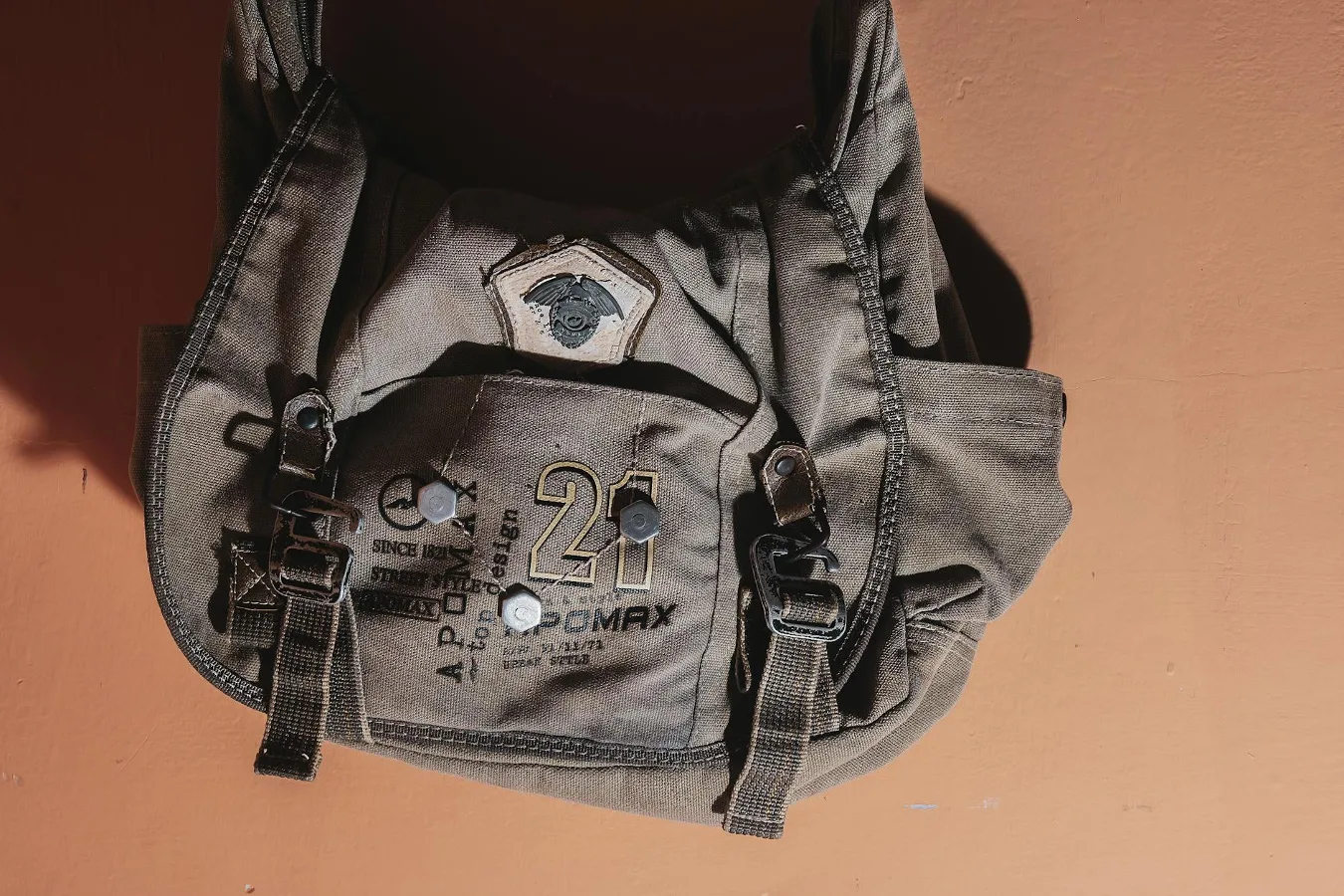
Quick answer: what a canvas messenger bag is best for
A canvas messenger bag is a practical shoulder bag with a flap or top closure, worn across the body or over one shoulder. For many shoppers, the appeal is simple: it offers a casual look, useful organization, and a lighter feel than many leather bags while still handling daily essentials well.
If you want a bag for commuting, classes, errands, or light travel, canvas is often a strong choice. It usually works best for people who want easy access, a relaxed style, and enough room for a tablet, notebook, water bottle, charger, wallet, and other daily carry items. The main trade-offs are that canvas can be less formal than leather, may absorb moisture more readily unless treated, and can lose shape if the bag is lightly built. work bag options for commuting offers more detail on this point.
The right canvas messenger bag is not just about the fabric. Size, strap comfort, internal layout, closure style, and whether the bag has a structured base all matter just as much. how to choose the right bag size offers more detail on this point.
Why canvas messenger bags stay popular
Canvas messenger bags sit in a useful middle ground. They are usually more casual and flexible than briefcases, but more organized than a basic tote. That makes them appealing for people who want one bag that can handle different parts of the day without looking overly technical or overly dressed up.
The fabric itself is part of the draw. Canvas has a sturdy, tactile feel and tends to pair well with denim, workwear, casual office outfits, and weekend clothing. It also has a wide range of finishes, from plain cotton canvas to waxed canvas styles that lean more rugged and weather-aware.
Another reason they remain common is versatility. A messenger-style layout can be adapted for school, work, photography accessories, transit essentials, or light travel. The same shape can look minimalist, utility-focused, vintage-inspired, or modern depending on details like hardware, stitching, and pocket layout.
How to compare canvas messenger bags
Choosing well means looking beyond the exterior fabric. Two canvas messenger bags can look similar but perform very differently once you load them with everyday items. The most important comparison points are capacity, organization, comfort, structure, and durability.
| Comparison factor | What to look for | Why it matters |
|---|---|---|
| Size and capacity | Enough room for your daily items without feeling oversized | A bag that is too large can become bulky and awkward to carry |
| Organization | Interior pockets, pen slots, zip sections, or slip pockets | Good organization prevents digging through one large compartment |
| Strap comfort | Wide, adjustable strap with enough padding for your carry load | Messenger bags are only comfortable if the strap spreads weight well |
| Structure | Reinforced bottom, gussets, or firmer panels | Structure helps the bag keep its shape and protects contents better |
| Closure style | Flap, zipper, buckle, or combination closure | Closure affects access, security, and weather exposure |
| Fabric finish | Plain canvas, waxed canvas, or treated canvas | Finish influences water resistance, feel, and maintenance needs |
Size: match the bag to your real carry list
One of the most common mistakes is choosing a bag based on appearance rather than the things it needs to hold. A canvas messenger bag for a tablet and notebook is a very different purchase from one meant to carry a 13-inch laptop, lunch container, headphones, and a charger.
Think through the objects you carry most days. If your load is modest, a medium bag may feel easier to manage and less likely to become a catch-all for clutter. If you regularly carry bulky items, a slightly larger bag with a stable base may be worth the extra room.
Overly large messenger bags can sag when underfilled, which makes them feel sloppy and harder to organize. On the other hand, a bag that is too small often creates pressure points at the flap or zipper and pushes you to overload the outside pockets.
Comfort: strap design matters more than many shoppers expect
Messenger bags are carried differently from backpacks, so comfort depends heavily on the strap. A wide, adjustable strap usually distributes weight better than a thin strap, especially if you plan to carry a laptop or other dense items. Padding helps, but strap shape and hardware placement matter too.
If you commute on foot, bike, or public transit, pay attention to how easily the strap shifts when you move. Some bags stay secure across the body better than others. A strap that is technically adjustable but awkward to shorten or lengthen is less useful in daily life than a simpler design that you can actually fine-tune quickly.
Organization: enough pockets, not too many
Good organization is one of the strongest reasons to choose a messenger bag over a tote or simple shoulder bag. Still, more pockets are not always better. Too many small compartments can create clutter, especially if they are shallow or oddly shaped.
The best layout depends on your routine. A student may want room for notebooks, pens, and a charger. A commuter may prefer one secure pocket for valuables, one slip pocket for transit cards, and a main compartment that opens wide. A travel user may prioritize passport access, headphones, and a place for snacks or a compact water bottle.
Look for pockets that are actually sized for the things you carry. A phone pocket that is too tight or a laptop sleeve with little padding may sound useful but not perform well in practice.
Fabric and finish: plain canvas versus waxed canvas
Canvas is not one single material experience. Plain canvas often feels softer and more casual, while waxed canvas tends to look more rugged and can offer better moisture resistance. Neither is automatically superior. The better choice depends on climate, use case, and how much care you want to put into the bag.
Plain canvas can be easier to live with for those who want a lightweight, relaxed everyday bag. Waxed canvas may be a better fit if you want a more weather-aware option and do not mind a slightly more distinctive texture. Just remember that treated finishes can age differently and may require more specific care than untreated fabric.
Best use cases for a canvas messenger bag
Canvas messenger bags are especially useful in situations where access and flexibility matter more than formal structure. They work well for casual office settings, campus life, city commuting, and day trips where you need to keep essentials close at hand.
For work, a canvas messenger bag can be a good fit if your office dress code is relaxed and your carry needs are moderate. It may not replace a professional briefcase in every setting, but it often gives a better balance of utility and comfort for commuting.
For school, the messenger format can be helpful if you want easier access than a backpack and you do not need to carry a large number of heavy textbooks every day. For travel, it can serve as a personal-item bag or day bag, especially if you want fast access to documents, snacks, and a charger.
It is less ideal when you need all-day heavy loads, a highly formal appearance, or maximum weather protection without added treatment. In those cases, another bag type may make more sense.
Common mistakes to avoid
Many disappointing purchases come down to a few predictable errors. The first is buying a messenger bag that is styled for aesthetics but not built for the way you carry. A bag can look great in photos and still feel clumsy once you add real items.
The second mistake is ignoring strap quality. A bag with a nice canvas exterior but a narrow, slippery, or poorly adjustable strap can quickly become annoying to use. If a bag sits uncomfortably, you will feel it every day.
The third mistake is overlooking closure behavior. Flap closures may look classic, but if they do not secure well, contents can shift or become exposed more easily. Zippered interiors or secure inner pockets can make a big difference for transit and travel.
Another common issue is assuming all canvas handles moisture well. Standard canvas can handle everyday use, but it is not automatically weatherproof. If you live in a rainy climate, look carefully at the finish, seams, and closure design rather than assuming the fabric alone will protect your contents.
Finally, some buyers focus too much on the number of pockets and not enough on access. A bag with many compartments can still be frustrating if the main opening is narrow or the layout makes larger items hard to place and remove.
Canvas messenger bag versus other bag types
If you are deciding between a canvas messenger bag and another common bag style, think about posture, access, and visual formality. A backpack spreads weight more evenly, which makes it better for heavier loads. A tote is quick to use but often less secure and less structured. A briefcase feels more formal but may be less comfortable or less flexible for casual environments.
A canvas messenger bag makes the most sense when you want a hands-free or mostly hands-free carry option with a casual, adaptable look. It is usually stronger on organization and faster access than a backpack, but it may not match the weight distribution of two straps. That trade-off is important for commuters and students who carry more than a few essentials. crossbody bags for hands-free carry offers more detail on this point.
For users who want a hybrid solution, some crossbody satchels or structured sling bags can be worth considering. Those alternatives may offer a slimmer profile, though they often sacrifice capacity.
How to decide if it is the right bag for you
A canvas messenger bag is a good fit if you value easy access, casual style, and enough organization for daily essentials. It is especially practical if you carry a moderate amount, move between different settings during the day, or want a bag that feels less formal than leather and less athletic than a backpack.
It may not be the best choice if you need to carry heavy items every day, want strong weather protection without maintenance, or need a bag for highly formal office wear. In those cases, a backpack, briefcase, or weather-treated technical bag may be more suitable.
The best way to decide is to compare your actual routine against the bag’s strengths. If you can list your daily items and they fit comfortably within a medium messenger layout, canvas becomes a very practical option. If you are stretching the bag to meet your needs, another style may serve you better long term.
Care and maintenance basics
Canvas bags are usually straightforward to maintain, but they are not maintenance-free. Regular care helps them look better and extend their useful life. Most importantly, follow the care guidance for the specific bag, since finishes and linings can vary.
In general, it helps to empty the bag regularly, shake out debris, and wipe down dirty spots before they set in. If the canvas has a treated finish, you may need to avoid harsh cleaning methods that could affect the surface. For bags with leather trim, hardware, or delicate linings, clean each material according to its needs.
Storage also matters. Keeping the bag dry and avoiding prolonged compression helps preserve shape and reduce wear. If the bag has a softer build, stuffing it lightly with clean paper while storing it can help maintain its form.
FAQ
Is a canvas messenger bag good for everyday use?
Yes, if your daily carry is moderate and you want a casual bag with easy access. It works well for commuting, school, errands, and light travel.
Can a canvas messenger bag hold a laptop?
Many can, but only if the bag is sized and designed for it. Check the laptop compartment, padding, and overall dimensions rather than assuming any messenger bag will fit your device.
Is waxed canvas better than regular canvas?
Not always. Waxed canvas is often a better choice if you want more weather awareness and a rugged look, while regular canvas may feel simpler and easier for everyday casual use.
Are canvas messenger bags good in rain?
They can handle light exposure better if treated or waxed, but standard canvas should not be treated as fully waterproof. If rain is a major concern, look for added protection in the fabric finish, seams, and closure design.
What is the main downside of a messenger bag?
The biggest downside is weight distribution. One shoulder can become uncomfortable if you carry too much, so messenger bags are usually best for moderate loads rather than heavy ones.