

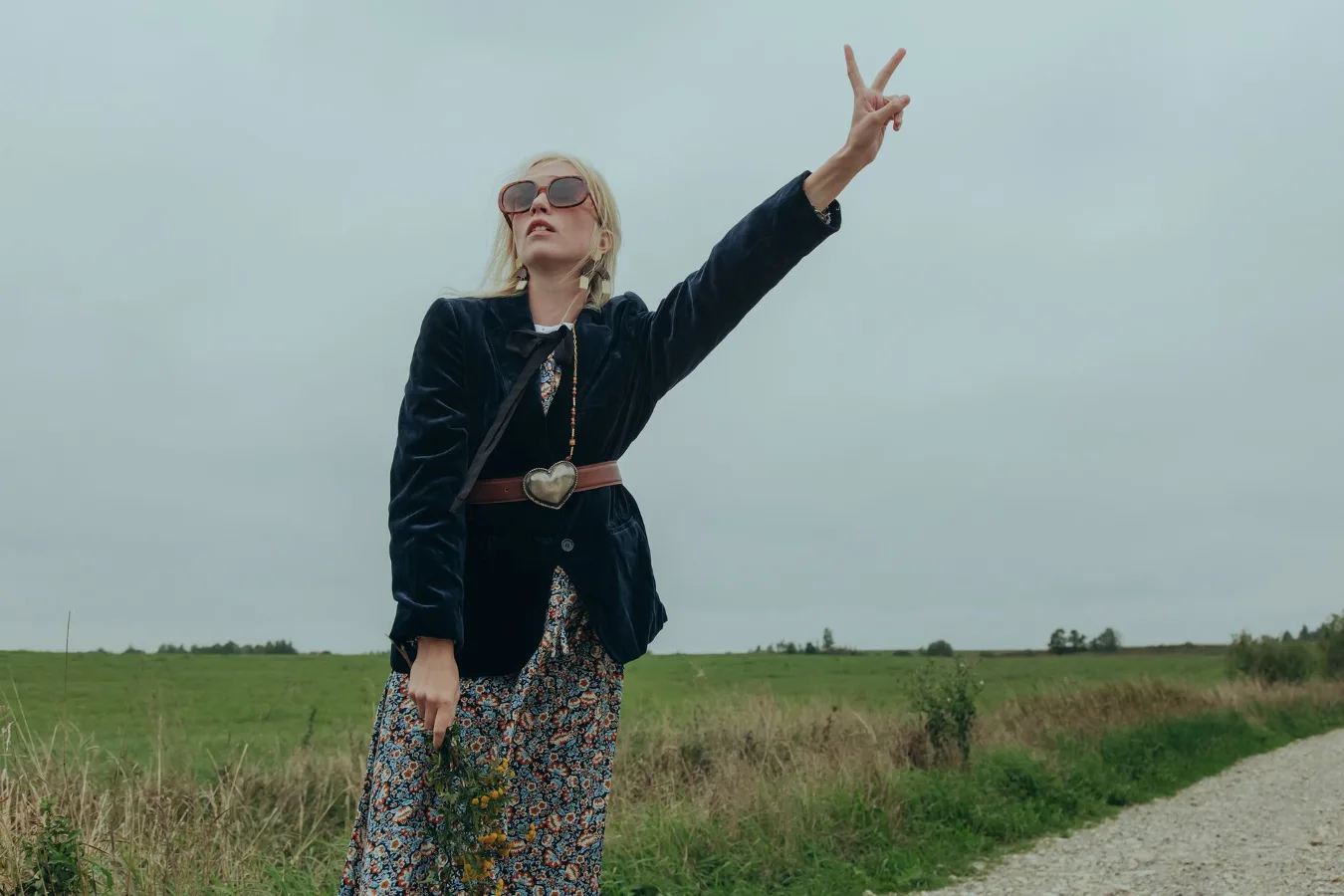
Hippie fashion accessories are the easiest way to build a relaxed, expressive look without committing to a full costume-like outfit. The best pieces usually combine a vintage, bohemian, or festival-inspired feel with enough practicality to wear in everyday settings. 1950s fashion accessories offers more detail on this point. Tote Bag Fashion Accessories Guide offers more detail on this point.
If you are shopping for hippie-style accessories, start by thinking about how you want the pieces to function: as subtle accents, statement makers, or layered details that tie an outfit together. That choice matters more than any single trend, because the most wearable hippie accessories are the ones that fit your clothing, comfort level, and routine.
When hippie fashion accessories matter most
These accessories matter most when you want an outfit to feel relaxed, creative, or a little unconventional. A simple dress, denim outfit, or neutral basics can shift immediately with the right finishing touches. That is why hippie accessories are often used to create a mood rather than just add decoration.
They are especially useful for festival outfits, casual weekends, travel wardrobes, outdoor gatherings, and retro-inspired looks. They also help if you like boho styling but do not want to rely on clothing with loud prints or oversized silhouettes. A few carefully chosen pieces can deliver the style more flexibly than buying an entire themed outfit. festival accessory styling tips offers more detail on this point.
A common misconception is that hippie fashion accessories must always look handmade, colorful, or heavily embellished. In practice, the category is broader. Earth-toned leather, wooden beads, woven textures, metal medallions, round frames, and fringe details can all fit the aesthetic if they feel relaxed and expressive rather than polished and corporate.
Start with the pieces that define the look
Not every accessory carries the same visual weight. Some pieces anchor the style immediately, while others work best as supporting details. If you are building a hippie-inspired accessory collection, begin with the items that do the most stylistic work.
Jewelry
Layered necklaces, pendant chains, stacked rings, bead bracelets, and oversized earrings are among the most recognizable hippie fashion accessories. The key is not simply adding more pieces, but choosing items that feel cohesive in tone and material.
Wood, stone, shell, leather cord, brass, silver-tone metal, and woven details all fit the broader look. If you prefer a less literal version of the style, choose one statement necklace or a few thin bracelets instead of a full stack. That keeps the outfit expressive without looking crowded.
Headwear and hair pieces
Headbands, bandanas, scarves, flower crowns, and hair wraps can instantly signal a bohemian or festival mood. They are especially useful if you want a style cue that does not depend on the rest of the outfit. A patterned scarf tied into the hair can feel more wearable than a highly decorative crown, especially for everyday use.
When choosing hair accessories, think about comfort and hold. Some pieces look appealing in photos but slip easily, feel tight, or compete with glasses and earrings. A practical hair accessory should stay in place and work with your hair texture, not fight it.
Eyewear
Round sunglasses are one of the most recognizable hippie-inspired accessories, but the style works in many forms. Tinted lenses, thin frames, and softly curved shapes tend to align well with the aesthetic. The main factor is whether the frame complements your face and feels comfortable for extended wear.
Oversized frames can create a more dramatic effect, while smaller round styles can feel more subtle and modern. If you want versatility, a shape that references the era without looking overly costume-like is often the smarter choice.
Bags and belts
Fringe bags, crossbody satchels, woven totes, and leather or faux-leather belts can all support a hippie look. These pieces matter because they affect both style and usefulness. A bag that looks authentic but is awkward to carry will not stay in rotation for long.
Fringe adds movement, texture, and a vintage feel, but it also needs care. It can tangle, collect lint, or look messy if the construction is flimsy. If you want the aesthetic without the maintenance burden, a woven or textured bag may be the better choice.
Step-by-step criteria for choosing the right pieces
Use these criteria to narrow down your options before buying. The best hippie accessories are not always the most ornate ones; they are the ones that fit your wardrobe and usage patterns.
1. Decide how bold you want the look to be
Some people want a clearly retro or festival-driven style. Others just want a hint of bohemian texture. This decision should shape every purchase. If you like a subtle look, choose one standout item and keep the rest understated. If you want a fuller vintage effect, mix several tactile details such as beads, fringe, and layered jewelry.
A useful rule is to let one category lead. For example, if your earrings are large and decorative, keep your necklace simpler. If your bag has fringe and strong texture, let the rest of the outfit breathe.
2. Match materials to how you actually wear accessories
Materials influence both appearance and durability. Natural-looking textures such as wood, cotton cord, woven fabric, leather, shell, and stone often fit the style well. But not every material suits every wearer.
If you need low-maintenance accessories, look for materials that are easy to wipe clean and less likely to snag. If you value a more authentic vintage feel, natural textures may be worth the extra care. The right choice depends on whether you are prioritizing appearance, comfort, longevity, or convenience.
3. Check comfort before decoration
Many hippie fashion accessories are visually rich, which can tempt shoppers to overlook comfort. That is a mistake. Heavy earrings, tight headbands, stiff belts, and scratchy straps can quickly make a stylish accessory unusable.
Pay attention to weight, closure style, edge finish, and how the piece sits on the body. If you plan to wear something for a full day, comfort should be treated as part of quality, not an afterthought.
4. Think about outfit compatibility
The most versatile accessories usually work with more than one outfit. Before buying, picture whether the piece can pair with denim, maxi dresses, linen, graphic tees, or neutral basics. That is often a better test than asking whether it looks good in isolation.
Hippie accessories tend to work especially well with flowing silhouettes, layered fabrics, suede textures, crochet details, and earthy color palettes. But they can also provide contrast against simple basics. A round pendant or beaded bracelet can soften an otherwise minimal look.
5. Consider care and storage
Some styles require more attention than others. Beads can scratch, metal can tarnish, fringe can tangle, and woven items can lose shape if crushed. If you prefer low-effort accessories, prioritize pieces that store neatly and do not require special handling.
Storage is an overlooked consideration for buyers who love layered or detailed accessories. A beautiful piece that gets tangled or bent in a drawer can become annoying to wear. If you are building a collection, think about how you will organize it before you buy too much at once.
Examples of smart hippie accessory combinations
Looking at combinations can make the style easier to understand. The goal is not to copy a formula, but to see how different pieces work together in real outfits.
- Simple everyday look: thin layered necklaces, small hoop earrings, and a woven crossbody bag
- Festival-inspired look: statement sunglasses, stacked bracelets, a bandana, and a fringe bag
- Boho casual look: pendant necklace, beaded rings, and a soft scarf tied at the neck or in the hair
- Retro-leaning look: round frames, brass-tone jewelry, and a belt with a vintage finish
- Relaxed travel look: lightweight earrings, a durable tote, and one easy headwrap or hair scarf
These combinations show a practical pattern: one or two focal points usually work better than adding every possible accessory at once. Overloading the outfit can make the style feel more like a theme than a personal look.
Benefits and limitations to weigh before buying
One of the biggest strengths of hippie fashion accessories is flexibility. They can dress up basics, soften structured clothing, and help you shift between casual and expressive styling without changing your whole wardrobe. They also make it easier to experiment with trend elements without a large commitment.
The limitation is that some pieces are highly specific. A dramatic fringe bag or ornate headpiece may be perfect for a concert or themed event, but awkward for office wear or daily errands. That does not make the item a bad buy, but it does mean you should be honest about how often you will use it.
Another practical trade-off is maintenance. Many of the most appealing textures in this category need more care than smooth, minimal accessories. If you want the look but not the upkeep, choose cleaner shapes with smaller decorative details.
Common mistakes to avoid
- Buying for the vibe alone: A piece that photographs well may not be comfortable or versatile enough for real use.
- Mixing too many focal points: Big earrings, a loud necklace, a bold bag, and a patterned headwrap can compete instead of complement.
- Ignoring scale: Large accessories can overwhelm petite frames, while very delicate pieces may disappear in a layered outfit.
- Choosing materials that clash with your routine: High-maintenance textures are frustrating if you need quick, everyday accessories.
- Forgetting color balance: Hippie style often leans earthy, but too many competing tones can make an outfit feel unfocused.
The easiest way to avoid these mistakes is to edit before you buy. Ask whether the accessory fills a gap in your wardrobe or simply repeats something you already own in a more decorative version.
A practical checklist before you add to cart
Use this quick checklist to decide whether a hippie fashion accessory is worth it for your closet.
- Does it match at least three outfits you already own?
- Is it comfortable enough for the amount of time you plan to wear it?
- Does the material suit your care habits?
- Does it add something different from pieces you already have?
- Is it versatile enough to wear beyond one event?
- Does it fit the level of boldness you want?
- Will it work with your usual bags, shoes, and outerwear?
If the answer is yes to most of these, the piece is probably a stronger purchase than something chosen purely for a single look.
Alternatives if you want a softer version of the style
If full hippie styling feels too strong, you can still borrow from the aesthetic in smaller ways. That is often the best approach for people who want versatility or a more modern wardrobe.
- Choose a single pendant instead of multiple layered necklaces
- Swap a fringe bag for a textured crossbody
- Use a patterned scarf instead of a flower crown
- Pick round or softly shaped frames rather than heavily tinted novelty sunglasses
- Wear beaded bracelets with simple outfits instead of building a full stacked wrist look
These alternatives keep the relaxed, creative feel while making the accessories easier to wear in more settings. They are also useful if you are building a wardrobe slowly and want pieces that can bridge several aesthetics.
How to build a cohesive set without overbuying
A cohesive collection usually works better than a drawer full of disconnected statement pieces. Start with one item from each category: jewelry, one bag, one hair accessory, and one eyewear shape that suits your face. Then add only the pieces that genuinely expand your styling options.
This approach helps you avoid the common trap of buying accessories that all lean in the same direction but do not work together. For example, several bold items can still fail to create outfits if they all compete for attention. A smaller, more considered selection usually creates more combinations and feels more intentional.
Hippie fashion accessories are most useful when they support your real wardrobe, not when they sit apart as costume pieces. If you choose for comfort, compatibility, and maintenance as much as style, the result is more wearable and much easier to enjoy long term.