

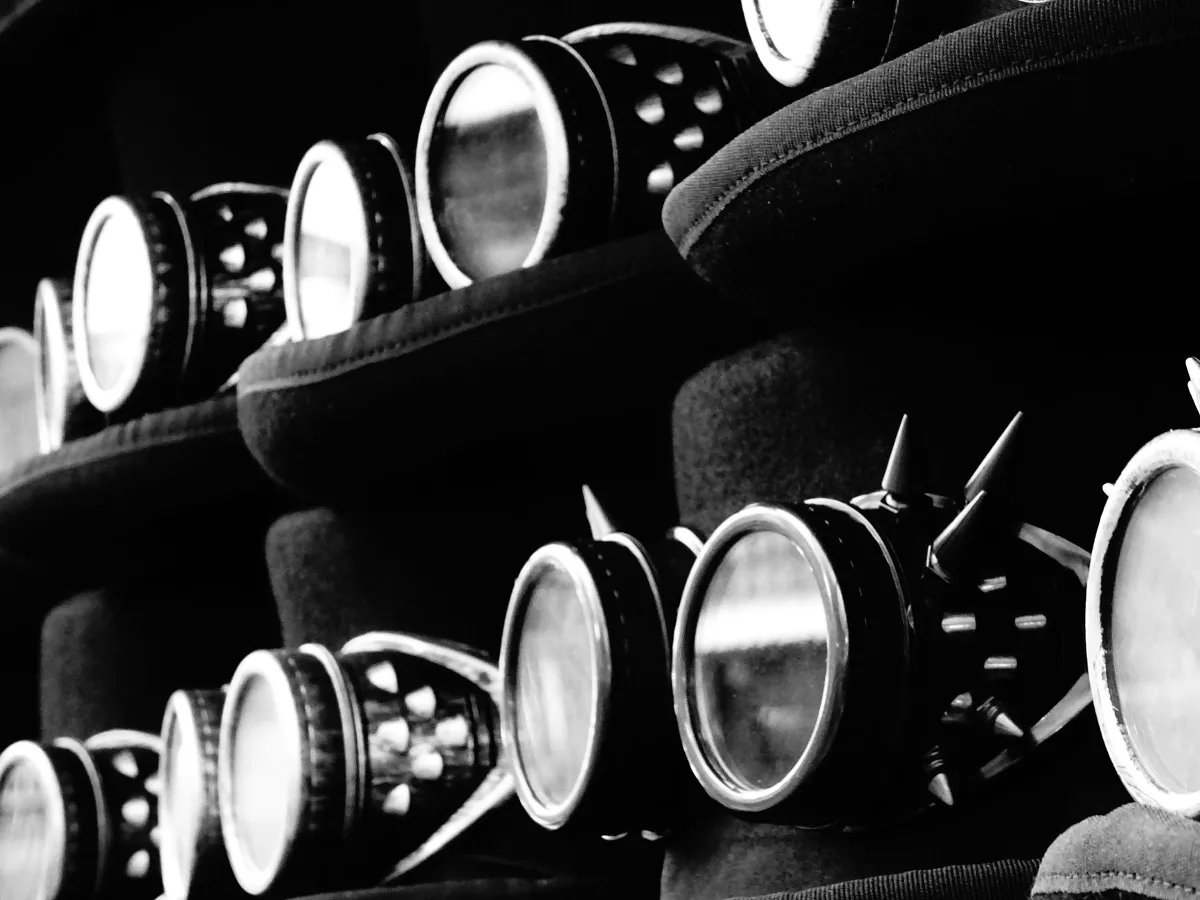
Steampunk fashion accessories are the details that turn a plain outfit into a Victorian-meets-industrial look: goggles, pocket watches, brass-tone jewelry, gear motifs, gloves, hats, belts, and other pieces that feel mechanically inspired without being overly literal. If you are shopping for them, the best approach is to choose accessories that match your outfit’s level of drama, your comfort needs, and how often you plan to wear them. how to style Victorian-inspired accessories offers more detail on this point. retro fashion accessories offers more detail on this point. Hippie Fashion Accessories: A Buyer’s Guide offers more detail on this point.
The mistake many shoppers make is treating steampunk accessories as one-size-fits-all costume pieces. Some items are built for a convention, photoshoot, or themed party. Others are subtle enough for everyday styling. Knowing the difference helps you avoid buying something that looks right in a product photo but feels awkward, fragile, or too theatrical in real life.
Start with the role you want the accessories to play
Before comparing materials or finishes, decide how the accessories will function in your wardrobe. That choice narrows the field quickly.
For a full costume or cosplay look
If you need a complete steampunk outfit for cosplay, Halloween, or a themed event, prioritize visual impact. Oversized goggles, layered chains, decorative cuffs, ornate chokers, and dramatic hats can make sense here because the outfit is meant to read as a character look from a distance.
For these uses, comfort still matters, but durability and all-day versatility are usually less important than appearance and theme consistency. The risk is overloading the outfit with too many strong focal points. One statement piece can be enough if the rest of the outfit already has texture, structure, or pattern.
For everyday wear
If you want steampunk-inspired accessories for regular outfits, subtlety matters more. A brass-tone pendant, a watch-chain necklace, a ring with gear detailing, or a structured belt can bring in the style without making the outfit feel costume-like.
This is where restraint usually creates the best result. Every piece does not need a visible gear, cog, or goggles reference. A few well-chosen items often look more polished than a full set of themed accessories.
For special occasions and events
Some shoppers want accessories that sit between those two extremes: visible enough to signal the theme, but still refined. This is a useful middle ground for renaissance fairs, themed weddings, burlesque-inspired looks, or creative formalwear. In that case, look for cleaner construction, better finishing, and materials that read as intentional rather than novelty-driven.
What to look for in steampunk accessories
The best buying decisions usually come down to a few practical factors: materials, comfort, versatility, and how convincingly the piece fits the steampunk aesthetic. A good accessory should support the outfit rather than compete with it.
Materials and finish
Steampunk accessories often rely on metallic finishes, faux leather, textile trims, resin details, and decorative hardware. The material does not have to be expensive, but it should feel consistent with the item’s use. A lightweight costume piece may be fine in plated alloy or resin. A more frequently worn belt, bracelet, or bag strap may need sturdier construction.
Pay attention to finish as well. A brass-tone or antique bronze look is common because it fits the industrial-vintage mood, but the finish should be even and intentional. If the coloring looks overly shiny, patchy, or mismatched, the item can lose the aged, mechanical feel that steampunk styling depends on.
Comfort and wearability
Some steampunk pieces look dramatic but are tiring to wear. Oversized goggles may press on the nose or sit awkwardly with hats. Heavy necklaces can swing when you move. Structured chokers can feel restrictive. Gloves may look elegant but limit dexterity.
If you plan to wear an accessory for more than a short event, comfort should move up the list. Lightweight construction, smooth edges, adjustable closures, and balanced weight distribution are worth prioritizing. The goal is not just to look authentic, but to keep the accessory usable.
Attachment and adjustability
Many steampunk accessories depend on how they fasten. Clasps, buckles, pins, elastic bands, tie backs, and adjustable straps all affect how well a piece fits different body types and outfit layers. Adjustable accessories are usually easier to integrate with jackets, vests, corsets, hats, and hairstyles.
One overlooked detail is attachment stability. Decorative add-ons that slip, spin, or sag can make even a good design look unfinished. If a piece includes chains, charms, or layered parts, check whether they are anchored securely or likely to shift during wear.
Common accessory types and how to choose among them
Steampunk style can be built from one standout item or a carefully coordinated mix. The right mix depends on how bold you want the result to feel.
Goggles
Goggles are one of the most recognizable steampunk accessories, but they are not always the most practical. They work well as a visual anchor on hats, headbands, or around the neck, and they are especially effective in costume looks. For everyday styling, smaller or less bulky versions usually feel easier to wear.
Look at strap adjustability, lens style, and how the goggles sit with other headwear. If you plan to wear them with a top hat or elaborate hairstyle, check that the proportions make sense together.
Jewelry
Steampunk jewelry is often the most versatile entry point. Necklaces, earrings, bracelets, rings, and brooches can bring in gears, keys, filigree, watch parts, filigreed frames, or industrial shapes without overwhelming the outfit.
For a subtle look, choose one focal piece and keep the rest simple. For a fuller steampunk outfit, layer jewelry with varied lengths and textures, but avoid combining too many highly detailed items in one area. A dense cluster of metallic elements can read cluttered rather than curated.
Hats and headwear
Top hats, mini hats, goggles-on-headband styles, and decorative veils are popular because they instantly signal the aesthetic. Headwear can be high impact, but it also affects balance, hair comfort, and how you move through a crowd.
If you are buying a hat-based accessory, think about the environment. Indoor events, windy outdoor venues, and long wear periods all affect what will feel practical. A dramatic headpiece is memorable; a stable one is more likely to stay on your head.
Gloves, cuffs, and arm details
Gloves, wrist cuffs, and bracers add texture and shape to the outfit. They also help fill the space between a fitted sleeve and a statement accessory. Lace gloves lean more decorative and romantic, while faux leather cuffs or bracers add a tougher, industrial edge.
These pieces work best when they complement the outfit’s sleeve length and fabric weight. A very bulky cuff can overwhelm a delicate blouse, while a delicate glove may disappear under a heavy jacket.
Belts, harnesses, and bags
Belts and harness-style accessories are useful because they add structure. They can also make the look more functional by supporting pouches, cases, or decorative chains. If you want steampunk accessories that do double duty, this category deserves attention.
Look for hardware that sits comfortably against the body and does not dig in when you sit or move. If a belt has many decorative parts, consider whether they will catch on other clothing layers.
Pocket watches and chains
Pocket watch accessories remain popular because they connect directly to the Victorian influence behind the style. Even if the watch is decorative, the chain, fob, or hanging placement can anchor the whole outfit.
For modern wear, a pocket watch works best when the chain length and attachment point suit your clothing. A chain that is too long or too short can make the piece feel like an afterthought.
Trade-offs worth considering before you buy
Steampunk accessories often force a choice between visual richness and practical wearability. That trade-off is normal, but it helps to know where you want to land before you spend.
Detailed design versus versatility
The more specific the steampunk styling, the less flexible the item may be outside themed outfits. A highly decorated goggles-and-gear piece can be perfect for cosplay and much harder to reuse in everyday looks. A simpler brass-tone accessory may be less dramatic but far easier to style with existing clothes.
If you want a wardrobe investment, lean toward pieces that can work with vintage-inspired, gothic, or eclectic outfits as well as steampunk looks. That usually improves long-term value.
Lightweight materials versus sturdier construction
Lightweight accessories are easier to wear and ship, but they may feel less substantial. Heavier items can look more convincing, yet they may become uncomfortable faster. Neither choice is inherently better. The right answer depends on how long you will wear the accessory and how much movement your day involves.
For short events, you can often accept more weight or ornament. For frequent wear, the more forgiving option is usually the smarter buy.
Costume authenticity versus modern polish
Some steampunk accessories aim for a handcrafted, antique, or salvaged look. Others are cleaner and more fashion-forward. The first style can feel richer and more theatrical. The second can be easier to pair with contemporary clothes.
A common misconception is that a steampunk accessory has to look old or weathered to be correct. In practice, the styling matters more than literal age effects. A clean piece can still fit the aesthetic if the shape, hardware, and layering support the theme.
Styling choices that make the look work
Steampunk fashion usually looks strongest when the accessories share a visual language. That does not mean everything must match exactly. It means the pieces should feel related.
Keep the metal tones coordinated
Mixed metals can work, but they are harder to balance. If one piece is antique brass, another is gunmetal, and a third is bright silver, the outfit may start to feel unfocused. A tighter palette usually looks more deliberate.
That said, a small accent in a second metal can add depth if the outfit already has enough structure. The key is consistency, not uniformity.
Choose one focal point
Steampunk accessories become more effective when one item leads. That might be goggles, a bold necklace, a structured hat, or a belt with visible hardware. Once you decide on the main feature, the rest can support it instead of competing with it.
This is especially helpful for beginners. It is easier to build a coherent look around one strong piece than to assemble a fully themed set all at once.
Balance ornate pieces with simpler clothing
Accessories show up best against uncluttered clothing. Solid colors, clean silhouettes, and textured but not overly busy fabrics give steampunk pieces room to stand out. If the garment itself already has lace, embroidery, ruffles, or heavy patterning, keep the accessories more restrained.
That balance prevents the outfit from tipping into costume overload.
Common mistakes to avoid
- Buying too many statement pieces at once and losing the focal point.
- Choosing accessories that look great in photos but feel uncomfortable after a short time.
- Ignoring fit, especially for hats, cuffs, belts, and goggles.
- Mixing too many finishes, textures, and visual motifs in one outfit.
- Assuming every steampunk accessory should be highly ornate.
- Overlooking whether the piece can be reused with other outfits.
Another practical mistake is forgetting the context. A dramatic accessory that works at a convention may not be ideal for a wedding guest outfit, a work event, or a casual dinner. Think about where the piece will actually go.
Practical next steps for smarter shopping
If you are narrowing down steampunk fashion accessories, start by defining the outfit you want to build. Then decide whether you need a centerpiece, a supporting piece, or a subtle finishing detail. From there, compare materials, adjustability, and how the item will coordinate with the clothes you already own.
A useful way to shop is to ask three questions: Does this fit the setting? Will it stay comfortable long enough to matter? Can I wear it more than once? If the answer is yes to all three, the accessory is probably doing real work for your wardrobe rather than just filling a theme.
For shoppers building a broader steampunk look, it often makes sense to pair one statement item with a few quieter pieces. That approach keeps the style cohesive and leaves room to expand later with hats, jewelry, gloves, belts, or pocket watch accessories as your wardrobe evolves.
The best steampunk accessories are not always the most elaborate. They are the ones that match your purpose, suit your body and outfit, and make the look feel intentional rather than assembled at random.