

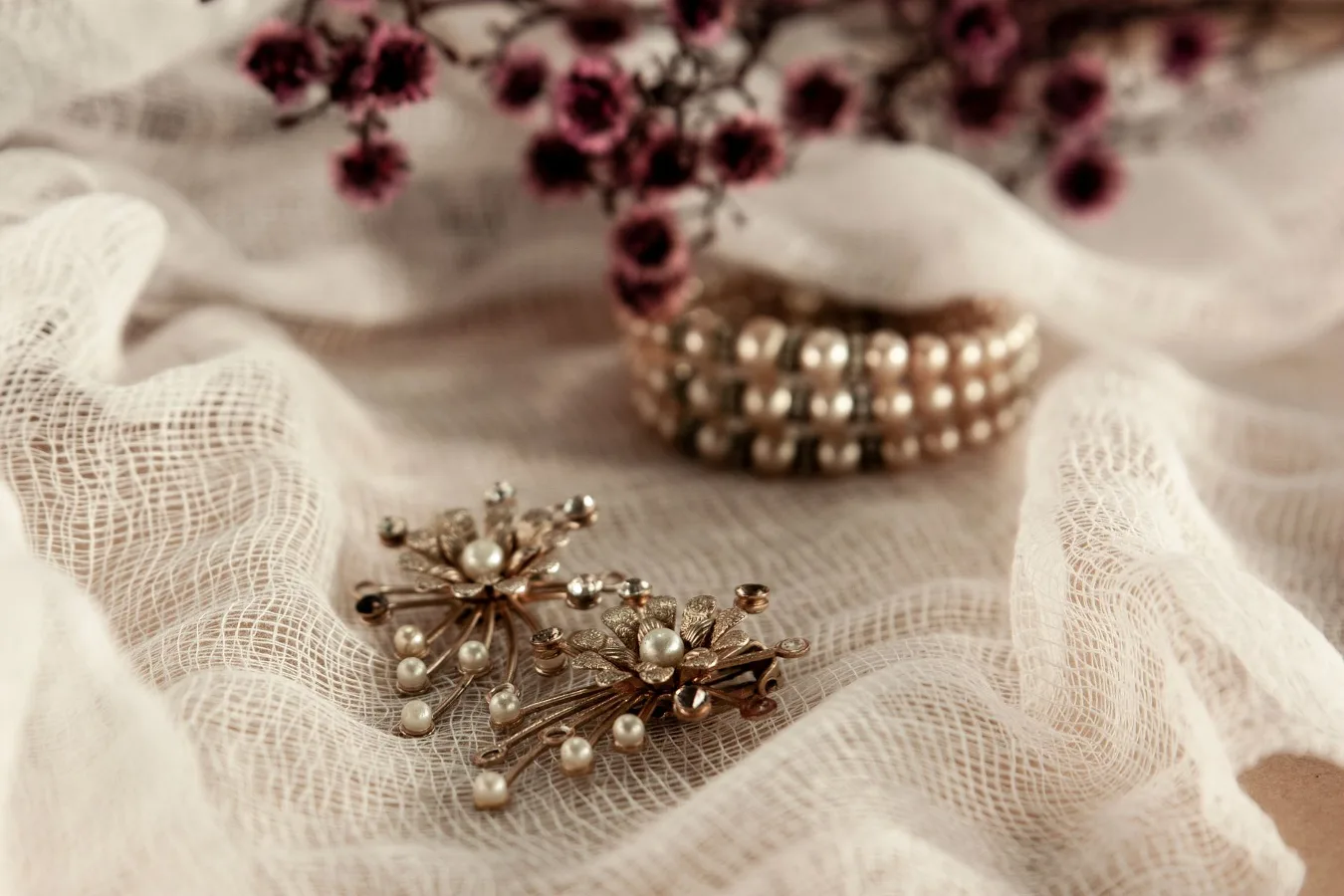
What vintage fashion accessories are best for
Vintage fashion accessories are best for adding individuality to outfits that might otherwise feel too plain, too modern, or too predictable. They can help you build a more distinctive wardrobe, whether you are drawn to authentic pre-owned pieces, vintage-inspired designs, or accessories that borrow details from earlier eras.
For most shoppers, the appeal is not only visual. Vintage accessories can offer stronger craftsmanship, unusual details, and styling versatility that newer mass-market pieces sometimes lack. The trade-off is that older items often require more careful inspection, more maintenance, and a little more patience when it comes to fit, condition, and compatibility with modern clothing.
Start with the buyer scenario, not the era
The most useful way to shop for vintage fashion accessories is to begin with how you plan to wear them. A 1940s-style brooch, a 1970s scarf, and a 1990s shoulder bag all create different effects, even if they are all labeled “vintage.”
If your goal is everyday wear, prioritize pieces that are easy to combine with current wardrobe staples. If you want a more dramatic look for events, you can choose bolder shapes, richer textures, or more delicate pieces that you would not wear as often. If you are collecting, condition and originality may matter more than practical versatility.
- Everyday styling: choose simpler, sturdier pieces that work with jeans, blazers, knits, and neutral basics.
- Special occasions: lean toward statement earrings, embellished clutches, or ornate hair accessories.
- Collector interest: focus on era details, maker marks, materials, and originality.
- Budget-minded shopping: look for vintage-inspired pieces or pre-owned items with minor wear that does not affect use.
The trade-offs that matter most
Vintage fashion accessories often sit at the intersection of style and practicality. Their biggest advantage is character. Their biggest drawback is that the same details that make them interesting can also make them less convenient. Retro Fashion Accessories: A Practical Style Guide offers more detail on this point. a guide to retro jewelry offers more detail on this point.
Older clasps may be fragile. Elastic can lose stretch. Leather may show wear. Metal finishes can tarnish. Some pieces may be more delicate than modern equivalents, and some older sizing standards do not match current expectations. None of these issues make a piece unusable, but they do change how you should evaluate it.
A common misconception is that vintage always means better quality. Some pieces were beautifully made, but condition and construction vary widely by brand, era, and previous care. A well-preserved newer accessory can be a smarter purchase than an older item with hidden damage.
Good trade-offs to accept
- Minor patina on metals if the piece is structurally sound
- Light wear on linings, straps, or backs if the item still functions well
- Slightly less convenience in exchange for a more distinctive look
Trade-offs to avoid
- Cracked materials that may spread or break further
- Loose settings, missing closures, or unstable stitching
- Odors or stains that are difficult to remove
- Repairs that are so extensive they change the character of the piece
Material and spec factors to check before buying
The right materials depend on the category of accessory, but a few checks apply across the board. You are not just buying a look; you are buying how that item will hold up in real use.
Jewelry
For vintage jewelry, inspect the weight, clasp, stones, and plating. Check whether stones are secure and whether the backing or clasp still feels reliable. If a piece is especially ornate, make sure it is comfortable enough to wear for more than a few minutes at a time.
Bags and small leather goods
For handbags, clutches, and wallets, examine the corners, handles, lining, hardware, and closure. Leather can dry out or scuff over time, while fabric linings may show hidden wear. A beautiful bag is less useful if the strap is weak or the closure no longer works smoothly.
Scarves and fabric accessories
Silk scarves, gloves, and similar pieces deserve a close look at edges, seams, and any thinning areas. Fabric accessories often remain stylish even when slightly worn, but holes, weak points, and permanent staining can limit where and how often you can wear them.
Hair accessories and small adornments
Hair combs, barrettes, headbands, and pins should feel secure without snagging or slipping. For delicate pieces, check whether teeth, prongs, or clips are bent out of shape. Comfort matters here more than many shoppers expect, especially if you plan to wear the item for several hours.
How to judge authenticity without overcomplicating it
Not every shopper needs to become an expert in dating fashion history. For most people, the practical question is whether the item is genuinely old, vintage-inspired, or simply secondhand. That distinction affects value, but it does not always affect style.
Focus first on the seller’s description, visible construction details, and signs of age that make sense for the item. Maker marks, old labels, period-specific closures, and era-appropriate shapes can be helpful clues. At the same time, a lack of perfect documentation is common, especially for unbranded accessories.
For general wardrobe building, authenticity matters less than condition, quality, and whether the piece fits your aesthetic. For collecting, originality becomes much more important, and you will likely want to verify materials, provenance, and era details more carefully.
Styling vintage accessories with modern clothes
One of the easiest ways to wear vintage accessories is to let them do the work against a modern base. A clean blazer, simple knit, crisp shirt, or plain dress gives a vintage piece room to stand out without making the whole outfit feel costume-like.
A useful rule is to mix one strong vintage element with several quiet modern pieces. That might mean a bold brooch on a tailored jacket, a structured bag with relaxed denim, or a silk scarf with a basic tee and trousers. This keeps the outfit grounded and makes the accessory feel intentional rather than themed.
- For polished looks: choose one elegant statement piece and keep the rest minimal.
- For casual outfits: use smaller accents such as scarves, belts, pins, or understated earrings.
- For evening wear: focus on sparkle, texture, and silhouettes that complement the neckline or hemline.
- For layered looks: make sure the accessory does not compete with prints, textures, or other focal points.
A practical nuance many shoppers overlook is proportion. Vintage accessories can be smaller or larger than current trends, so a piece that looks beautiful on its own may need adjustment in styling. A petite brooch can disappear on a heavy coat, while an oversized clutch may overwhelm a delicate dress.
Where vintage fashion accessories fit best in a wardrobe
Some accessories earn their place because they are easy to wear often. Others are better as accent pieces that make occasional appearances. Knowing the difference can save money and reduce closet clutter.
If you want maximum versatility, start with categories that are easy to rotate: scarves, simple earrings, belts, and classic bags. If your wardrobe is mostly neutral, a few vintage accessories can introduce color, texture, or shape without forcing you to buy new clothing. If your style changes seasonally, these pieces can help refresh old outfits without a full wardrobe overhaul. how to choose accessories for classic outfits offers more detail on this point.
On the other hand, highly delicate or highly specific pieces may be better suited to special occasions or display. That does not make them less valuable; it just means their role is more limited.
Maintenance and care considerations
Vintage accessories usually reward gentle care. Aggressive cleaning can do more harm than good, especially on older metals, delicate fabrics, glued components, or plated surfaces.
Before cleaning anything, identify the material and check for weak points. Use the least invasive approach possible. Store items separately when you can to avoid scratching, tangling, or crushing. For bags, keep them stuffed lightly to help them keep shape. For jewelry, keep clasps fastened when appropriate and use soft pouches or lined boxes. For scarves and fabrics, protect them from moisture, direct sunlight, and rough surfaces.
One overlooked consideration is odor. Vintage items sometimes carry storage smells that are not obvious in photos. If possible, factor in whether an item will need airing out or professional care before it becomes wearable.
Common mistakes shoppers make
- Buying for the era alone: a piece can be historically interesting but still impractical for your wardrobe.
- Ignoring condition photos: wear, cracking, staining, and repair marks often matter more than the general appearance.
- Forgetting about comfort: earrings, rings, belts, and hair accessories should be wearable, not just attractive.
- Overmatching a look: too many themed elements can make an outfit feel more like a costume than personal style.
- Skipping measurement checks: sizing varies widely across eras, especially for rings, belts, hats, and gloves.
How to choose between authentic vintage and vintage-inspired
Authentic vintage and vintage-inspired accessories each have a place. Choosing between them depends on what you value most.
Authentic vintage is often best if you want originality, period character, or collector appeal. Vintage-inspired pieces are often better if you want more predictable sizing, easier care, or a lower-risk purchase for frequent wear. Pre-owned contemporary accessories can also be a smart middle ground if you want quality without the fragility of older construction.
If you are building a wardrobe around vintage style, it is completely reasonable to mix these categories. That approach often gives the best balance of personality, wearability, and upkeep.
Next steps for shopping smarter
Before you buy, decide what role the accessory will play in your wardrobe. Ask whether you want daily wear, occasional styling, or collection value. Then compare condition, material, comfort, and versatility against the look you want.
If you are starting small, pick one category and build from there. A scarf, brooch, compact bag, or pair of earrings is easier to style than a more specialized piece. Once you know what works with your clothes and habits, it becomes much easier to spot accessories worth keeping for the long term.
Vintage fashion accessories are most satisfying when they feel like part of your wardrobe, not just a display item. The best choices are the ones that fit your style, wear comfortably, and still make sense after the first try-on.
FAQ
How do I know if a vintage accessory is worth buying?
Check whether the piece matches your wardrobe, feels comfortable to wear, and is in sound condition. Style value matters, but usability and repair needs matter just as much.
Are vintage-inspired accessories a good alternative to real vintage?
Yes. They are often easier to wear and care for, and they can be a smart choice if you want the look without the fragility or sizing uncertainty of older pieces.
What vintage accessories are easiest to wear every day?
Simple earrings, scarves, belts, and structured bags are usually the easiest to integrate into everyday outfits because they add character without requiring a full style overhaul.
What should I avoid when buying pre-owned fashion accessories?
Avoid items with structural damage, weak closures, severe odors, or repairs that make the piece unreliable. Cosmetic wear may be acceptable, but functional problems reduce value quickly.
How can I style vintage accessories without looking costumey?
Use one standout vintage element at a time and pair it with modern basics. Keeping the rest of the outfit simple helps the accessory feel intentional and current.