

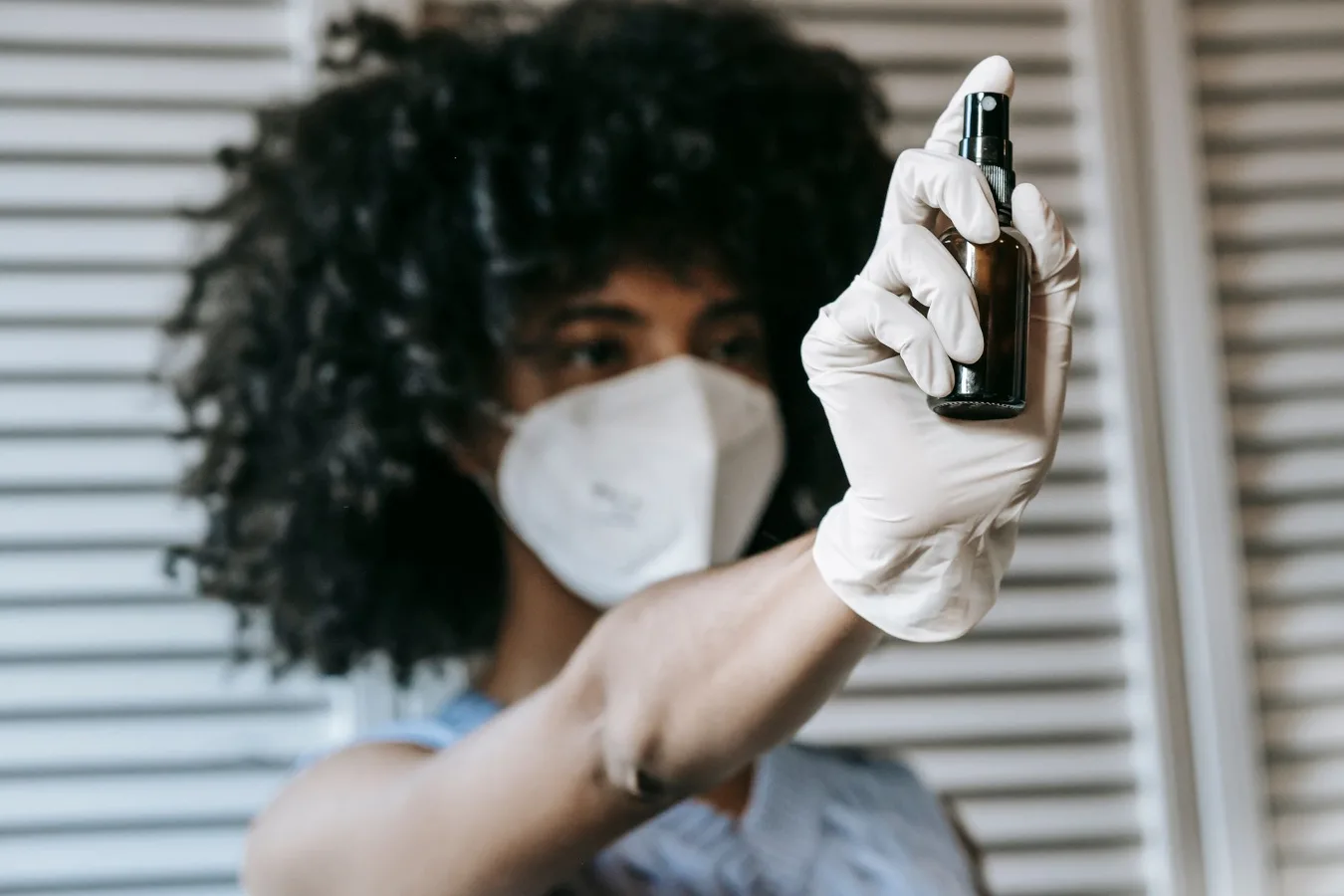
Quick answer: what sports gear disinfectant should do
Sports gear disinfectant is a cleaner formulated to reduce germs, sweat residue, and odor buildup on athletic equipment without causing unnecessary damage to the material. The right choice depends less on the label claim and more on what the gear is made of, how often it is used, and whether the product is safe for items that touch skin, foam, plastic, metal, rubber, or fabric. How to Choose Sport Training Gear offers more detail on this point.
For most buyers, the best option is a material-compatible disinfecting spray or wipe that can be used after practice or competition, dries reasonably fast, and does not leave a sticky residue. If you are shopping for a team, a gym, or a household setup, the goal is usually the same: clean enough to help control odor and buildup, but gentle enough not to shorten the life of the gear. best ways to remove odor from gym gear offers more detail on this point.
One common mistake is assuming any strong cleaner will work on every piece of equipment. Helmets, shin guards, gloves, mouthguard cases, yoga mats, bags, and weight-training accessories all tolerate different formulas differently. A disinfectant that is fine for a plastic bench may be too harsh for coated foam, leather, or glued seams.
How to compare sports gear disinfectants
The easiest way to compare products is by matching the formula to the gear, then checking the practical details that affect daily use. A good sports gear disinfectant should balance cleaning power, safety, convenience, and compatibility with the materials you clean most often. sports gear cleaning basics offers more detail on this point.
1. Material compatibility
This is the first filter. Athletic gear often combines several materials in one item, such as hard shells, foam liners, stitched fabric, rubber grips, and adhesive-backed padding. A disinfectant that is safe on one surface may discolor or degrade another. If the manufacturer lists compatibility for plastics, vinyl, synthetic leather, rubber, and foam, that is useful. If it does not, test carefully on a small hidden area before full use.
For porous or delicate materials, the safer path is usually a mild, non-abrasive cleaner designed for sports equipment rather than a harsh all-purpose disinfectant. That matters for wrestling mats, boxing gloves, helmets, and padded accessories, where repeated over-wetting can cause wear, breakdown, or trapped moisture.
2. Contact time and drying time
Disinfectant claims depend on contact time, which is the amount of time the product must stay wet on a surface to do its job. That detail is often overlooked by shoppers who only look for the word “disinfectant.” In real use, a formula may be effective on paper but inconvenient if it must remain visibly wet for longer than you can practically manage.
Fast-drying sprays and wipes are easier for busy routines, especially in locker rooms, training facilities, and household setups where gear must be packed away quickly. Slower-drying products may still be useful for deep cleaning, but they are less convenient for everyday maintenance.
3. Odor control versus true disinfection
A second common misconception is that deodorizing and disinfecting are the same thing. They are not. Some products mask smell without addressing the bacteria or residue that often cause it. Others clean effectively but do little for scent. For sports gear, odor control usually matters because sweat, skin oils, and moisture create the conditions that make gear unpleasant to use.
If odor is your main complaint, look for a cleaner that handles both residue and smell rather than relying on fragrance alone. Fragrance-heavy products can make gear smell better briefly while leaving the underlying buildup untouched.
4. Skin-contact safety
Gear that touches skin or is handled frequently needs extra caution. Think gloves, straps, chin cups, mouthguard cases, mats, grips, and handles. The main issue is not just cleanliness, but whether the formula leaves residue that could irritate skin or transfer during use. For these items, a low-residue cleaner with clear use directions is usually preferable to a heavy-duty product meant for hard, non-contact surfaces.
5. Convenience for your routine
The best product is the one people will actually use. Wipes are convenient for small teams, travel bags, and quick post-practice cleanups. Sprays are better for larger surfaces and irregular equipment. Foams can be useful where you want controlled application, while concentrated products may make sense for facilities but can be overkill for a home user.
If a disinfectant requires multiple steps, special ventilation, or lengthy drying time, many users will skip it. For sports gear, consistency matters more than occasional intensive cleaning.
Which type of cleaner fits which gear?
Not every piece of sports equipment needs the same kind of product. Choosing by use case helps prevent damage and makes cleaning easier to maintain.
| Gear type | Best-fit cleaner style | Why it works | Watch-outs |
|---|---|---|---|
| Helmets and hard-shell gear | Material-safe disinfecting spray or wipe | Cleans plastic and shell surfaces with less residue | Avoid soaking liners or vents |
| Pads and protective equipment | Low-residue spray | Helps with sweat buildup on mixed materials | Too much moisture can affect foam and stitching |
| Gloves and grip accessories | Quick-dry spray or wipe | Useful for frequent, light cleaning | Harsh formulas may dry out synthetic materials |
| Mats and vinyl surfaces | Spray made for athletic flooring or mats | Covers larger surfaces evenly | Residue can make surfaces slippery |
| Sports bags | Deodorizing cleaner or interior-safe spray | Targets odor in fabrics and compartments | Test for staining on linings first |
| Metal or hard training equipment | Disinfecting wipe or general surface disinfectant that is compatible | Easy wipe-down after shared use | Check corrosion risk on finishes |
This is where a practical nuance matters: the same product may be appropriate for a gym bench but not for a softball glove or foam-padded helmet interior. Sports gear is a category, not a single material type, so product choice should follow the most sensitive material in the item.
What to look for on the label
Label reading is not glamorous, but it is the most reliable way to avoid disappointment. Look for clear instructions on the surfaces the product is intended for, whether rinsing is needed, and whether the product is meant for deodorizing, cleaning, disinfecting, or all three.
- Compatible surfaces: Choose products that list the materials you clean most often.
- Residue profile: Low-residue options are easier for gear that gets handled often.
- Drying guidance: Faster drying usually fits athletic routines better.
- Ventilation instructions: Important for indoor use, especially in locker rooms or enclosed spaces.
- Purpose statement: Decide whether you need deodorizing, disinfection, or simple maintenance cleaning.
- Ingredient sensitivity: Pay attention to scent, alcohol content, and any caution language for skin-contact items.
If the label is vague, that is a limitation rather than a selling point. Clear use directions matter more than broad claims.
Common mistakes to avoid
Most sports gear problems come from overconfidence, not lack of effort. These are the mistakes that tend to cause the most trouble.
Using one strong product for everything
A heavy-duty cleaner may be fine for some hard surfaces but too aggressive for foam, leather-like finishes, adhesives, or coated fabrics. Sports gear often fails at seams, edges, and inner liners first. A one-product approach can create damage that is more expensive than the gear itself.
Over-wetting gear
More liquid does not equal better cleaning. Excess moisture can linger inside padding, gloves, and bags, where it contributes to odor and material wear. The best approach is usually a controlled application followed by proper drying.
Ignoring odor sources
Odor often comes from a combination of sweat, bacteria, and trapped moisture. If a product only masks smell, the problem returns quickly. Pair any disinfectant with drying habits and regular laundering where applicable.
Skipping drying and storage steps
Even a good disinfectant cannot fix poor storage. Gear left in a closed bag or damp locker will stay unpleasant longer. Drying is part of the cleaning process, not an optional extra.
Assuming more fragrance means cleaner gear
Strong scent can create a false sense of freshness. For many users, low-scent or unscented formulas are a better fit because they reduce the chance of residue and make it easier to notice whether the gear is actually clean.
Smart buying considerations for teams and households
If you are buying for a household, the focus is usually convenience and material safety. For a team, gym, or school program, consistency and speed matter more. Shared gear is used more often, cleaned more often, and handled by more people, so the product should be simple enough for repeated use without confusion.
For team settings, consider whether the product can be applied quickly between sessions, whether it is practical to keep on hand in multiple locations, and whether it is easy to explain to staff or athletes. A product with complicated instructions is less likely to be used correctly.
For home use, think about the variety of gear you own. If your routine includes shoes, bags, weights, mats, and pads, a small set of purpose-fit cleaners may be more effective than one broad product. That approach also reduces the risk of using the wrong formula on sensitive items.
Safer alternatives and support products
Sometimes the best answer is not a stronger disinfectant. It may be better cleaning habits, better airflow, or a separate deodorizing step.
- Sports-specific wipes: Good for quick cleaning of hard, low-porosity surfaces.
- Fabric-safe deodorizing sprays: Useful for bags and soft accessories when odor is the main issue.
- Mild soap and water: Often enough for routine cleaning when material compatibility is a concern.
- Dedicated mat cleaners: Better for larger surfaces that need even application.
- Drying aids: Air drying, open storage, and gear racks help prevent recurring odor.
A practical buying decision often means combining products instead of expecting one formula to solve everything. That is especially true for mixed-material athletic gear.
Maintenance habits that make any disinfectant work better
Even the right sports gear disinfectant performs better when cleaning is part of a routine. Wipe gear after heavy sweat exposure. Let items dry fully before storing them. Separate wet items from dry ones in the bag. Wash washable fabric components on a regular schedule. Rotate gear when possible so one item is not constantly exposed to moisture and skin oils.
These steps sound simple, but they influence how often you need stronger cleaning. They also extend the usable life of the gear, which is often the real value behind choosing the right product.
FAQ
Can I use regular household disinfectant on sports gear?
Sometimes, but not always. Household disinfectants may be too harsh for foam, fabric, glued seams, synthetic leather, or coated surfaces. Check the label and use a product that matches the material.
Is a disinfectant spray better than wipes?
Neither is universally better. Wipes are more convenient for small items and quick cleanup. Sprays are better for larger surfaces and uneven equipment. The better choice depends on the gear and how often you clean it.
Do I need a disinfectant if my gear does not smell bad?
Not necessarily every time. Odor is a useful signal, but not the only reason to clean. Gear can collect sweat and residue before smell becomes obvious, especially if it is stored in a closed bag.
What should I avoid on helmets and padded gear?
Avoid soaking, harsh abrasives, and cleaners that leave heavy residue. Moisture trapped in padding can create odor problems and wear, while strong chemicals can affect sensitive materials.
How often should sports gear be cleaned?
That depends on how often it is used and how much sweat it absorbs. High-touch items usually need more frequent wipe-downs, while washable components can follow a regular laundering schedule. The key is to clean after heavy use rather than waiting until odor becomes obvious.