

What Pilgrim Shoes Usually Mean
“Pilgrim shoes” typically refers to historically inspired shoes worn with Pilgrim or colonial-style costumes, especially for Halloween, school plays, Thanksgiving pageants, reenactments, and themed events. They are not a specific modern fashion category so much as a costume footwear style: usually simple, dark, modest in shape, and designed to suggest an earlier period rather than follow current shoe trends. Elevator Shoes for Men: What to Know offers more detail on this point.
If you are searching for pilgrim shoes, the real question is usually not just what they look like, but how close you want them to be to a historical style, how comfortable they need to be, and how long you plan to wear them. That balance matters because many costume shoes look right in photos but become uncomfortable after a few hours.
Start With the Use Case, Not the Label
The best pair depends on how you plan to use them. A child wearing a costume for an hour at school needs something very different from an adult spending the day at a reenactment or fall festival. The same goes for a stage performance, where shoes may need to stay on securely while allowing quick movement.
Before comparing styles, ask a few practical questions:
- Is this for a costume, educational program, performance, or historical interpretation?
- Will the shoes be worn indoors, outdoors, or both?
- How long will they be on your feet?
- Do you need a more authentic look or a more comfortable modern interpretation?
Those answers narrow the choices quickly. A shoe that looks ideal in a product photo may not make sense if the event involves walking on grass, standing in line, or wearing the shoes over socks for several hours.
Style Cues That Define the Look
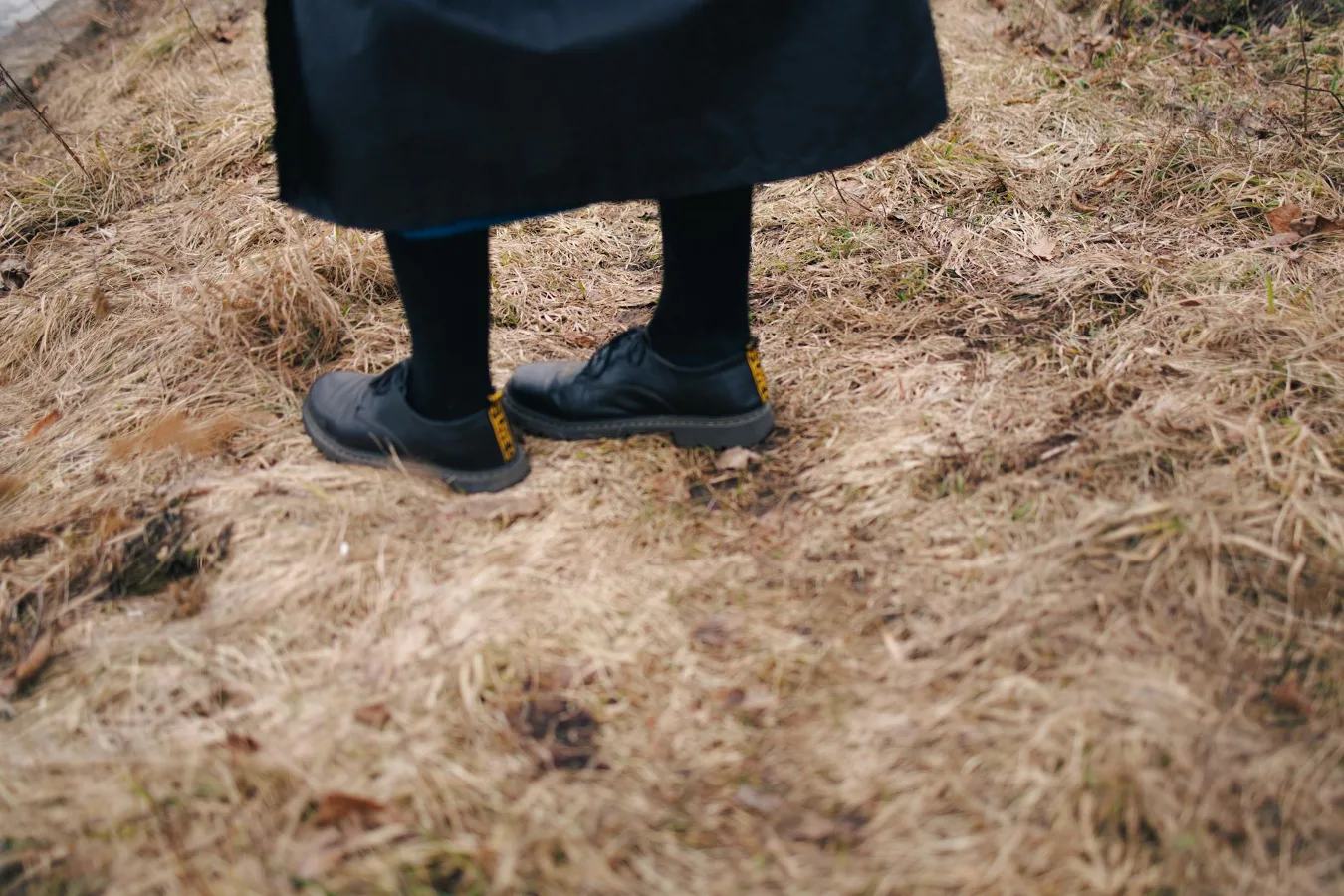
Most pilgrim shoes share a few visual traits. They are usually plain, with little decoration, and often come in black or another dark neutral color. Some versions resemble simple low-heeled slip-ons, while others echo lace-up or buckle styles associated with older European and colonial dress.
The details that matter most are shape and simplicity. A rounded or slightly squared toe can feel closer to period-inspired styling than a highly modern pointed toe. A flat or low-profile sole usually fits the look better than a chunky athletic sole. Many costume versions also keep stitching and trim minimal so they do not compete with the clothing.
That said, historical accuracy and practical comfort rarely line up perfectly. A more period-inspired shoe may have a firmer fit or less cushioning. A more wearable modern costume shoe may be easier to walk in but less convincing up close. For most buyers, the right choice is the one that fits the event, not the museum label.
Fit Matters More Than Appearance
Costume shoes are often bought with the outfit in mind first, but fit should come first. A pilgrim-style shoe that pinches, slides, or rubs will distract from the whole costume. This is especially true for children, who may be less patient with tight shoes and less likely to notice early pressure points.
Look for enough room in the toe box, secure heel hold, and a shape that matches the foot rather than forcing it into an overly narrow silhouette. If the shoe uses a strap, buckle, or lace closure, check whether it can be adjusted enough to work with socks or tights. If it is a slip-on, make sure it does not run loose at the heel.
One overlooked issue is sock choice. Period-style costumes often use thicker socks, stockings, or tights, and that changes the fit. A shoe that feels fine barefoot may become tight once the full outfit is on. If the event outfit includes socks, size and fit should be judged with those layers in mind.
Comfort Features That Make a Real Difference
Even though pilgrim shoes are usually not performance footwear, a few features can make them far easier to wear. The most helpful ones are a stable sole, smooth interior seams, and enough structure to keep the shoe from folding awkwardly during walking. If the shoe has a low heel, the height should feel balanced rather than tipped forward.
For longer wear, cushioning matters more than many shoppers expect. Costume shoes often have thin insoles, so adding a discreet insert can improve comfort without changing the look much. Breathability also matters, especially for indoor events or warmer weather. A shoe that traps heat may feel fine for a short appearance but less ideal for a full afternoon.
Comfort is often where the trade-off becomes visible: the more visually authentic the shoe looks, the less forgiving it may be for all-day wear. If the event is brief, authenticity can take priority. If the schedule is long, comfort should move higher on the list.
Materials and Construction: What to Look For
Materials influence both appearance and practicality. Smooth synthetic uppers can be easier to wipe clean and often work well for one-time or occasional costume use. More structured materials may hold the silhouette better. If the product uses fabric detailing or faux leather, inspect whether the finish looks consistent from different angles, since costume shoes are often seen close up in photos.
Construction details matter too. Check the sole attachment, edge finishing, and closure quality. A shoe made for occasional wear does not need the same build as everyday footwear, but it should still feel secure enough for the event. Loose stitching, stiff edges, and flimsy straps can be warning signs, especially if the shoes need to survive repeated use across seasons.
If you plan to wear the shoes more than once, think about storage and care. Simple, dark shoes tend to be easier to maintain than embellished ones. They usually pack better, too, which can matter if the costume is being assembled for school events, church programs, or travel.
Authenticity Versus Wearability
Many shoppers assume they need the most “historical” version available, but that is not always the best decision. True period footwear can be harder to source, more expensive, and less practical for modern surfaces. A costume-oriented shoe with a similar shape may be the smarter choice if the goal is visual consistency from a normal viewing distance.
For reenactments or educational settings, decide how strict the outfit needs to be. Some events call for a more accurate silhouette and neutral styling, while others care more about overall costume impression. If the shoes will be seen on stage or in a group setting, consistency with the rest of the costume can matter more than perfect historical detail.
A common misconception is that “pilgrim shoes” must look identical to shoes from a textbook illustration. In practice, many modern versions are interpretive, not exact reproductions. That is not a flaw as long as the buyer understands the purpose of the shoe and chooses accordingly.
How to Choose for Adults and Children
Adult buyers usually need to balance appearance with wear time, especially if the shoes will be used at fall events, school functions, or community programs. Adults may also be more sensitive to the lack of arch support or padding in costume footwear. If the event involves standing for long periods, a slightly more modern interpretation may be worth the compromise.
For children, ease matters just as much as look. Shoes should be simple to put on, easy to remove, and secure enough that they do not shift during play or walking. If the child is wearing the costume only briefly, choose the least fussy option that still matches the outfit. Avoid anything that looks right but creates friction at the heel or toe, because that can quickly ruin the experience. costume shoes that match a historical outfit offers more detail on this point.
It also helps to consider growth and layering. If the shoes are being bought well ahead of an event, leave room for socks and last-minute size changes, but avoid going so large that the shoe becomes unsafe or sloppy.
Practical Alternatives If Pilgrim Shoes Are Hard to Find
Sometimes the exact look is difficult to source, especially if you need a specific size or a child’s fit. In that case, look for simple black dress shoes, plain Mary Jane styles, low-profile slip-ons, or modest lace-up shoes with minimal decoration. These can often support the same costume effect without being labeled specifically as pilgrim shoes. mary jane shoes heels offers more detail on this point.
The best alternative is usually one that keeps the same visual principles: dark color, understated design, and a shape that feels historically adjacent. Avoid athletic styling, bright soles, heavy logos, or fashion details that pull attention away from the costume.
For many buyers, this approach works better than chasing an exact costume label. It gives more options for comfort, fit, and budget while still creating the right overall impression.
Common Mistakes to Avoid
- Choosing by appearance alone and ignoring fit.
- Forgetting to account for socks, tights, or stockings.
- Buying a shoe that is too costume-like for a long event and too uncomfortable for wear.
- Assuming a historically styled shoe will be suitable for walking long distances.
- Overlooking closure style, especially if the shoe needs to stay secure during movement.
- Picking a design that clashes with the rest of the outfit, such as overly modern soles or shiny fashion details.
Another frequent mistake is treating pilgrim shoes as a one-size-fits-all accessory. Even within costume footwear, small differences in toe shape, strap placement, and stiffness can affect how the whole outfit looks and feels.
How to Make the Final Choice
The simplest way to choose pilgrim shoes is to rank your priorities. If you need the most recognizable costume look, focus on silhouette and color. If you need long wear, choose the most comfortable option that still suits the outfit. If the event is formal or educational, lean toward a restrained, historically inspired design rather than a novelty version.
Use this quick decision guide:
- For short costume wear: prioritize appearance and easy pairing with the outfit.
- For school, stage, or family events: prioritize secure fit and simple styling.
- For reenactments: prioritize period-inspired shape and overall consistency.
- For repeated use: prioritize durable construction and easy care.
If you keep the purpose of the shoes clear, the choice becomes much easier. Pilgrim shoes are less about fashion and more about context: the right pair is the one that supports the costume, fits the wearer, and works for the event without becoming a distraction.
For shoppers browsing the broader shoes category, pilgrim shoes sit in a small niche where styling, comfort, and practicality need to be weighed together. That makes them a good example of why costume footwear should be chosen as thoughtfully as everyday shoes, even if it will only be worn a few times a year.