

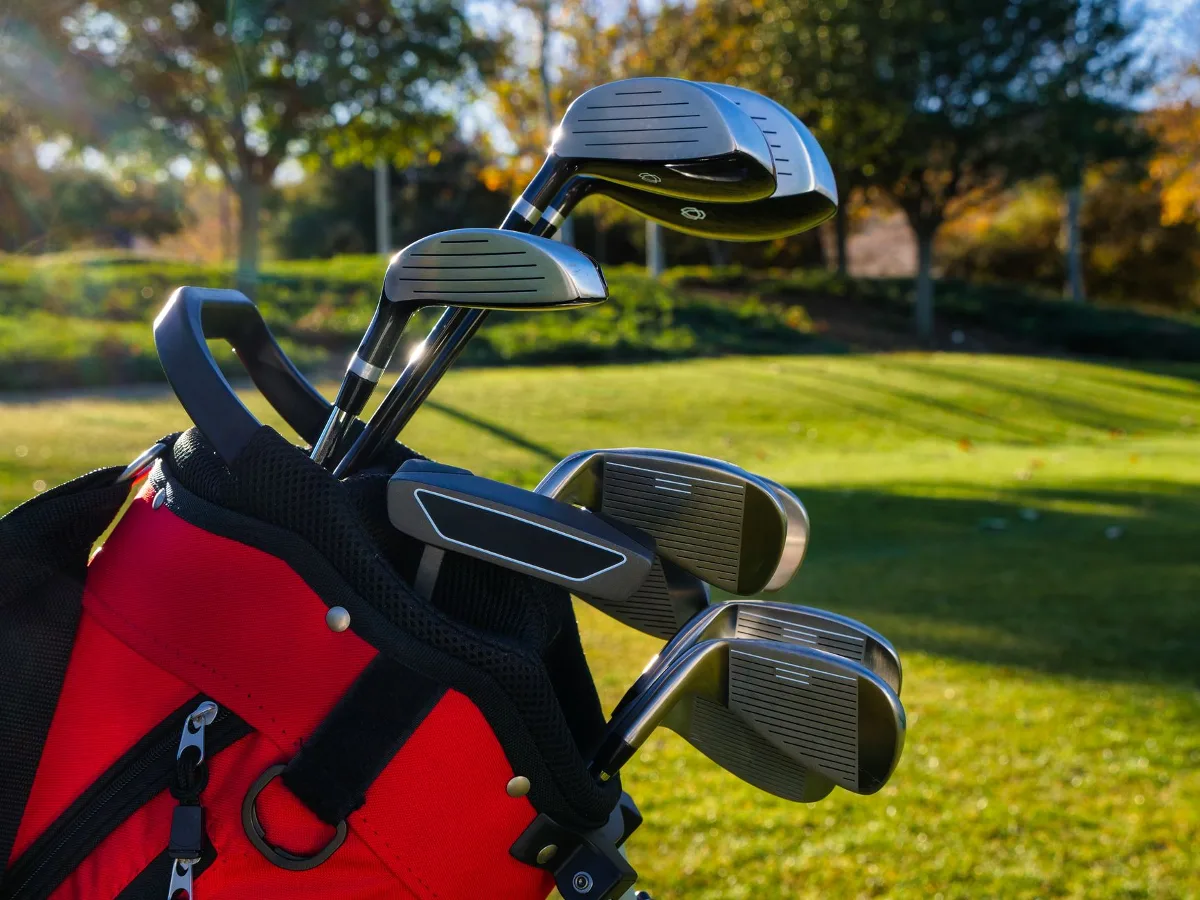
If you are browsing golf bags clearance, the best approach is simple: look past the discount tag and judge the bag by how well it fits your game. A clearance price only matters if the bag has the right type, enough storage, reasonable durability, and the features you will actually use. features that matter in a golf bag offers more detail on this point. Camo Golf Bag Buying Guide offers more detail on this point. how to judge bag durability offers more detail on this point.
Clearance shopping can be a smart way to pick up a stand bag, cart bag, or carry bag for less, especially if you are replacing worn gear or buying a second bag for travel, practice, or occasional rounds. The trade-off is that clearance stock often means limited colors, older models, or fewer size options, so the value depends on matching the bag to your needs before it disappears.
What golf bags clearance really means
Clearance usually refers to discounted inventory that a retailer wants to move quickly. That might be last season’s model, an overstocked colorway, a style being replaced by a newer version, or a bag with packaging that is no longer current. The lower price can be attractive, but the reason for the discount matters.
Sometimes clearance bags are perfectly practical and differ from current models only in appearance or minor layout changes. Other times, the discount reflects a genuine limitation, such as fewer pockets, a less comfortable strap system, or a design that does not suit walking rounds. That is why a good clearance purchase starts with use case, not price.
Key factors to compare before you buy
Bag type: stand, cart, or carry
The first decision is the bag style. A stand bag works well for golfers who walk some or most of their rounds and want quick access on the range or course. A cart bag is usually better if the bag will live on a push cart or riding cart, since it often offers more storage and a more organized top layout. A carry bag is the simplest option, usually lighter and more compact, but it may offer less structure and fewer features.
If you are shopping clearance, do not assume a lower price makes one style better value than another. A discounted cart bag can be a poor buy for someone who walks every round, while a lightweight stand bag may be a better long-term choice even if the discount is smaller.
Weight and portability
Weight matters more than many buyers expect. A bag that feels fine in the store can become annoying once it is loaded with clubs, balls, gloves, rain gear, and accessories. If you walk frequently, a lighter bag with a comfortable strap system is often worth prioritizing over extra storage.
If you use a cart most of the time, a slightly heavier bag may not be a problem. In that case, organization and access can matter more than raw portability. Clearance shopping is a good moment to ask whether the bag is built for the way you really play, not the way you imagine playing later.
Top layout and club organization
The top divider design affects how easily clubs go in and out of the bag, and how much club clatter you will hear during a round. Some golfers prefer a full-length divider system because it helps keep clubs separated. Others are comfortable with a simpler layout if it keeps the bag lighter and more affordable.
One overlooked consideration is how the top performs with your specific set makeup. A bag that seems organized on paper may feel cramped if you carry extra wedges, alignment sticks, or a larger putter grip. Clearance buyers should think beyond the generic number of dividers and picture their actual setup.
Storage and pocket layout
Pocket count is easy to notice, but pocket usefulness matters more than sheer quantity. A good golf bag should give you practical places for balls, tees, gloves, rain gear, valuables, rangefinder, and possibly a water bottle or apparel layer. Some cart bags prioritize large storage pockets, while lighter bags may offer fewer but more accessible compartments.
On clearance, check whether the layout matches how you organize gear. A bag with plenty of pockets can still feel awkward if the useful items are buried behind a cart strap channel or placed where they are difficult to reach during play.
Materials and durability
Most golf bags use synthetic materials designed for light weight, structure, and weather resistance. The exact construction matters less than the overall impression of stitching, zipper quality, reinforcement at stress points, and how the base and top are finished. If a clearance bag shows signs of weak seams, sticky zippers, or thin-looking wear points, the discount may not offset the shorter usable life.
Durability also depends on how you treat the bag. A model that is fine for occasional weekend rounds may not hold up as well for frequent travel, repeated cart loading, or daily range use. Clearance is best for buyers who can match the bag to the expected workload.
Weather protection
If you play in variable conditions, look for practical weather features such as a rain hood, water-resistant fabric, sealed or better-protected zippers, and pockets that help keep valuables dry. Not every discounted golf bag will include stronger weather protection, and a lower price should not be confused with all-purpose protection.
For golfers in rainy or humid climates, weather resistance is not a luxury feature. It can determine whether your grips, scorecard, gloves, and electronics stay usable through the round.
Comfort and carry system
For walkers, strap comfort is a major factor. A well-designed dual strap system can distribute weight more evenly than a simple single strap, especially once the bag is fully loaded. Padding, balance, and how the bag sits against your back all affect comfort.
Clearance listings sometimes focus on the bag body and gloss over the carry system. That is a mistake. A bag with the wrong strap setup can feel tiring very quickly, no matter how good the discount looks.
Practical ways to judge clearance value
The smartest clearance purchase is not always the cheapest one. A better framework is to compare price, fit, condition, and feature relevance together.
- Price: Is the discount meaningful compared with similar bags in the same category?
- Fit: Does the bag suit walking, cart use, practice sessions, or travel?
- Condition: Is it new, open-box, or an older stock item? Are the zippers, straps, and base in good shape?
- Features: Do the pockets, dividers, and weather details actually match your routine?
A clearance bag is a stronger value when the discount compensates for small compromises, not when it masks a poor match. For example, a minimalist carry bag can be excellent value for someone who walks light, but frustrating for a golfer who wants structured storage and easy cart compatibility.
Common mistakes shoppers make on clearance
Buying by price alone
The most common mistake is grabbing the lowest price without checking whether the bag suits the way you play. A bargain that creates daily friction is not really a bargain.
Ignoring cart compatibility
Some bags work better on carts than others. Strap channels, base shape, and pocket placement can affect how the bag sits and how easily you access your gear. If you use a push cart or riding cart often, this should be part of the decision.
Overlooking storage needs
Golfers often underestimate how much space they use for extra balls, gloves, rainwear, and accessories. A bag that looks roomy enough in a product photo may feel tight once filled.
Assuming older means outdated
Older stock is not automatically inferior. Sometimes the difference between an older clearance model and a current one is mostly cosmetic. The key is to compare the features that matter, not the release date alone.
Missing condition details
Clearance can include open-box, refurbished, or final-sale items depending on the seller. Read the listing carefully and look for notes about returns, blemishes, or missing accessories before committing.
Which shopper each clearance bag type suits best
| Bag type | Best for | Main advantage | Possible drawback |
|---|---|---|---|
| Stand bag | Golfers who walk often | Balanced mix of portability and organization | Less storage than many cart bags |
| Cart bag | Golfers who ride or use push carts | More storage and easier access on a cart | Usually bulkier and less convenient to carry |
| Carry bag | Minimalist players and practice use | Lightweight and simple | Fewer features and less structure |
This comparison is useful because clearance often narrows your choices. If the exact model you want is not available, the best substitute is usually the bag type that matches your routine, even if the color or trim is different.
How to think about long-term value
Long-term value is not just about whether a bag lasts. It also includes how often you enjoy using it, whether the layout saves time during play, and whether the bag reduces small frustrations. A slightly pricier clearance bag with better organization and comfort can be the better purchase if it stays useful longer and fits more situations.
On the other hand, if you only need a secondary bag for travel, occasional weekend rounds, or practice sessions, a simpler clearance model may be the most sensible option. In that case, paying for premium storage or advanced weather features might not add much real-world benefit.
Alternative ways to shop if clearance stock is limited
If you cannot find the right bag in clearance, there are several practical alternatives. Look at end-of-season sales, open-box listings, prior-year models, or reputable used gear marketplaces. Each option has trade-offs, especially around condition and return flexibility, but they can expand your choices beyond one retailer’s clearance page.
You can also consider whether a modest compromise makes more sense than waiting for the perfect model. For many golfers, the right layout and comfortable carry system matter more than getting the newest graphic or the most current trim.
Decision guidance for different buyers
Choose a stand bag if you walk regularly, want decent storage, and prefer something versatile enough for both the range and the course.
Choose a cart bag if your bag spends most of its time on a cart and you care more about storage, access, and organization than portability.
Choose a carry bag if you want a lighter, simpler option for practice, travel, or minimal setups.
Skip a clearance bag if the price is good but the fit is wrong, the condition is unclear, or the features do not match how you play. Clearance can create urgency, and that is exactly why it helps to slow down and compare the practical details first.
For shoppers focused on value, the best golf bags clearance finds usually share three traits: the type matches the golfer’s routine, the condition is straightforward, and the features are useful rather than decorative. If those three line up, a clearance purchase can be a very sensible upgrade. If they do not, waiting for a better match is usually the smarter move.