

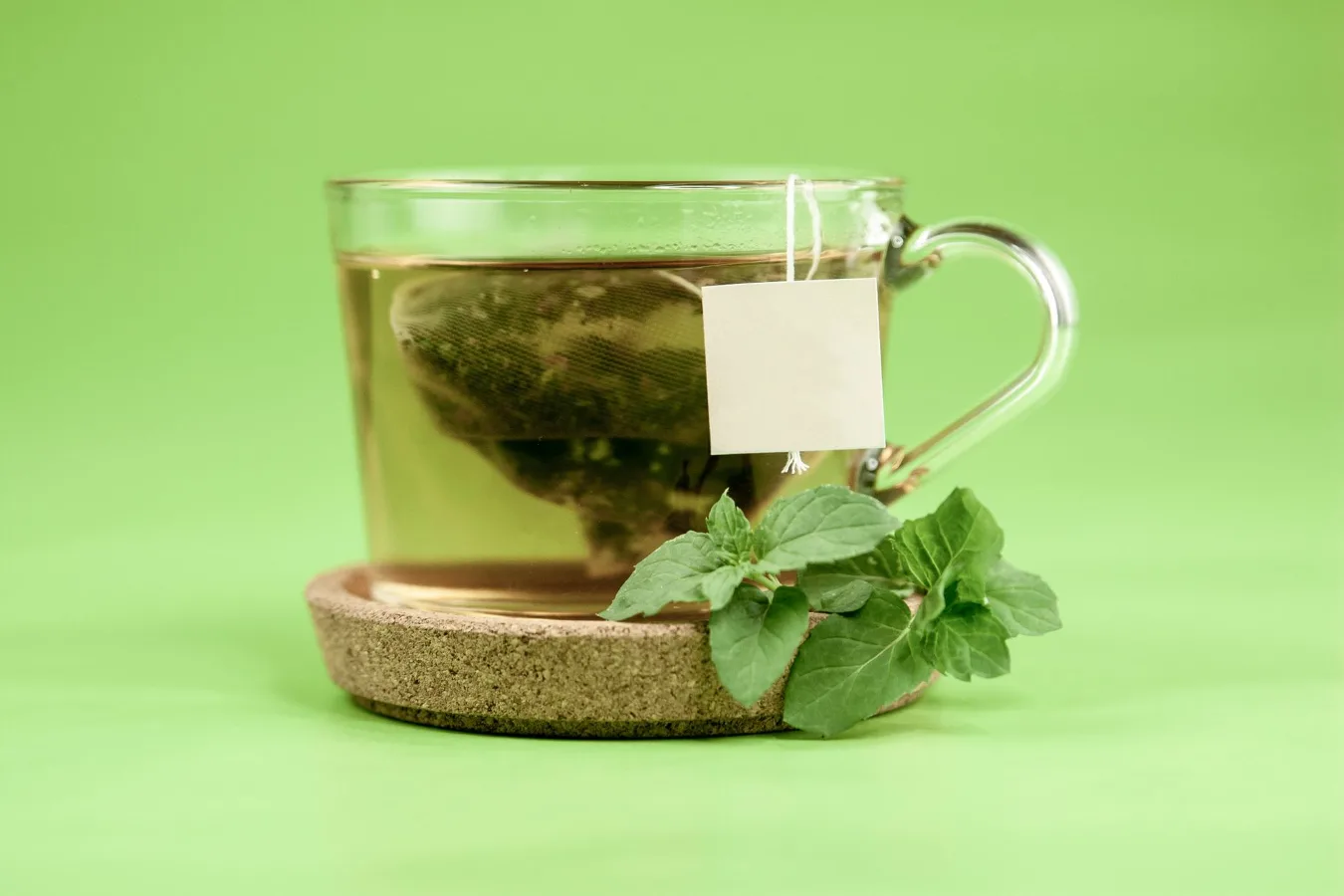
Plastic free tea bags are tea bags made without plastic-based materials in the bag itself, the seal, or sometimes the string and tag assembly. For shoppers trying to reduce plastic in everyday routines, the label can be helpful, but it is not always as straightforward as it looks. Some tea bags are plastic free in the bag body but still use plastic in the heat-seal layer, while others are fully plant-based and compostable. The difference matters if you want a tea bag that matches your waste-reduction goals. sandwich bags offers more detail on this point. Doc Eureka Tea Bags: What to Know offers more detail on this point.
If you are comparing options in the U.S., the key is to look beyond the front-of-pack language and check what the bag is actually made from. A tea bag can be marketed as eco-friendly and still contain a small amount of plastic. That does not make it useless, but it does mean the buying decision should be based on materials, sealing method, compostability claims, and how you plan to dispose of it. how to read tea bag materials offers more detail on this point.
What plastic free tea bags usually mean
The phrase plastic free tea bags generally refers to tea bags that do not rely on polypropylene or other plastic components to hold their shape or seal shut. Many conventional tea bags have historically used plastic in the paper fibers, in the inner lining, or as a heat-seal adhesive. Plastic free alternatives try to avoid those materials by using paper fibers, plant-based fibers, or other compostable construction methods.
That said, packaging terms are not always standardized. One brand may use the phrase to describe the tea bag itself, while another may be referring to outer packaging only. A bag can also be plastic free in one part and not another. For that reason, ingredient-style label reading is more useful than relying on a single marketing phrase.
Quick comparison: what to look for on the label
If you want a simple way to compare tea bags, focus on the material description and the composting claim rather than the branding language.
| Label claim | What it may mean | What to verify |
|---|---|---|
| Plastic free | No plastic in the bag or seal | Check whether the string, tag, and wrapper are also plastic free |
| Compostable | May break down under the right conditions | Confirm whether it is home compostable or industrially compostable |
| Biodegradable | Material can break down over time | Biodegradable does not always mean suitable for composting |
| Plant-based | Made from fibers derived from plants | See whether any plastic binder or seal is still included |
One common misconception is that compostable and plastic free always mean the same thing. They do not. A tea bag can be made from a compostable material and still include a tiny amount of noncompostable component, depending on the design. The reverse can also happen: a product may avoid plastic but still not be appropriate for composting because of additives or attachments.
The materials that matter most
For most shoppers, the most relevant evaluation dimensions are materials, compostability, freshness, and ease of use. Those factors determine whether a tea bag fits your routine and your disposal preferences.
Paper and plant fibers
Many plastic free tea bags use paper-like materials or plant-based fibers. These are often appealing because they feel familiar, brew like standard tea bags, and can reduce reliance on petroleum-based plastics. The important detail is how they are bonded together. If a bag uses heat sealing, the sealing method should be checked carefully.
Heat-sealed construction
Some tea bags are sealed with a plastic-based layer so they can hold together in hot water. Others use alternative fibers or stitching. If you want a truly plastic free option, the sealing method deserves as much attention as the bag material itself. This is one of the most overlooked considerations, especially for shoppers who only glance at the front label.
String, tag, and wrapper
Even if the tea bag body is plastic free, the string, staple, tag coating, or individual wrapper may not be. For everyday use, that may not be a dealbreaker. For stricter low-waste households, it matters. If you compost at home, small noncompostable details can add up and make the tea bag less convenient to dispose of responsibly.
How to choose the right option for your kitchen
Choosing tea bags is partly about sustainability and partly about how you actually brew tea at home or at work. A product can be well-designed on paper and still be awkward in daily use. The best choice depends on how you make tea, how much convenience you need, and whether you care more about compostability, flavor, or simplicity.
If convenience is your priority
Look for tea bags that are clearly labeled plastic free, individually easy to handle, and compatible with your routine. If you make tea quickly during a busy day, a familiar bag format may still be the most practical choice. In that case, the ideal option is one that minimizes plastic without creating extra steps.
If low-waste living is your priority
Focus on the full package: tea bag material, outer wrapper, and whether the bag is home compostable. The more complete the compostability claim, the easier it is to manage used tea bags without sorting confusion. This can be especially helpful for people who already compost food scraps and want tea to fit into the same system.
If flavor matters most
The bag material can affect steeping behavior, but flavor is often more dependent on the tea leaf quality, cut size, and freshness. A larger or more breathable bag may give leaves more room to infuse, while a tightly packed bag can limit expansion. If you are particular about flavor, you may want to compare bag style with loose leaf tea as a practical alternative.
Plastic free tea bags versus loose leaf tea
Loose leaf tea is not the only alternative to plastic-based tea bags, but it is the most direct one. It avoids the bag material question entirely and often gives the tea leaves more room to open up. That can be appealing if you are looking for a more traditional brewing style.
Still, loose leaf tea is not always the better choice for every household. It usually requires an infuser, strainer, or teapot, and that adds cleanup and storage considerations. Plastic free tea bags can be the better fit if you want convenience without stepping all the way into a separate brewing setup. The right choice depends on whether you value minimal cleanup or maximum control over the brew.
Common mistakes to avoid
People shopping for plastic free tea bags often make the same few mistakes. Avoiding them can save you from buying a product that looks sustainable but does not quite match your expectations.
- Assuming “natural” means plastic free. Natural-sounding branding does not guarantee the bag, seal, or wrapper is plastic free.
- Confusing biodegradable with compostable. Biodegradable simply means a material can break down over time; it does not tell you how, where, or how cleanly it will do so.
- Ignoring the wrapper. Individual tea sachets or outer cartons may use mixed materials even when the tea bag itself does not.
- Overlooking disposal rules. A bag that is compostable in an industrial facility may not be suitable for a home compost pile.
- Choosing only by price or convenience. A lower-effort option may still create more waste if it contains hidden plastic components.
A practical nuance many shoppers miss is that the most sustainable tea bag is not always the one with the strongest green claim. It is the one whose materials, disposal method, and daily use all line up with your actual habits.
How to read packaging without getting misled
Package wording can be helpful, but it should be treated as a starting point rather than proof. Look for specific material language such as paper, plant fiber, or compostable mesh. If a product says plastic free, check whether that claim refers to the tea bag only or the entire package.
It also helps to look for clearer wording about compostability. Some brands state that the tea bag is suitable for home composting, while others only mention industrial composting. Those are not interchangeable. If you do not have access to a composting facility, home compostability may be more relevant.
Another useful habit is to scan for vague phrases like eco-friendly, sustainable, or earth-conscious without a material explanation. Those phrases can describe a brand’s general direction without telling you much about the actual bag. The more specific the material and disposal information, the easier it is to make a sound choice.
Who plastic free tea bags are best for
These tea bags are a strong fit for people who want a simpler low-waste swap without changing how they brew tea. They are also a good middle ground for households that want to reduce plastic but are not ready to commit to loose leaf tea and separate brewing tools.
They may be less ideal for shoppers who want a fully transparent compost system and do not want to sort through differences between home compostable, industrially compostable, and simply plastic free. If that level of clarity matters to you, loose leaf tea or a product with very specific disposal guidance may be the better fit.
They are also worth considering for offices, travel kits, and everyday pantry stocking, where convenience still matters. In those settings, the value is often in making a better choice that is easy to repeat consistently.
How to compare brands more effectively
Rather than looking for a perfect label, compare products using a few grounded questions:
- Is the tea bag material clearly identified?
- Does the package explain whether the tea bag is home compostable or industrially compostable?
- Are the string, tag, and wrapper also plastic free?
- Does the brewing format fit your routine?
- Would loose leaf tea be a simpler or better match?
This approach keeps you focused on usable information instead of marketing language. It also helps you make a repeatable decision the next time you shop, which matters more than chasing the “perfect” tea bag once.
A balanced way to think about the trade-off
Plastic free tea bags are a meaningful step away from conventional tea packaging, but they are not all identical. Some are a clean, practical upgrade. Others are only partially improved, especially if the wrapper or sealing process still introduces plastic somewhere in the system.
If your goal is to reduce waste without making your tea routine more complicated, a well-labeled plastic free tea bag is often the most realistic choice. If your goal is the lowest possible packaging footprint, loose leaf tea may deserve a closer look. The best option is the one that fits your habits while staying honest about its materials and disposal requirements.
For most buyers, the smartest purchase is not the most heavily marketed one. It is the one with clear material information, a disposal path you can actually use, and a brewing format that makes sense in your day-to-day life.