

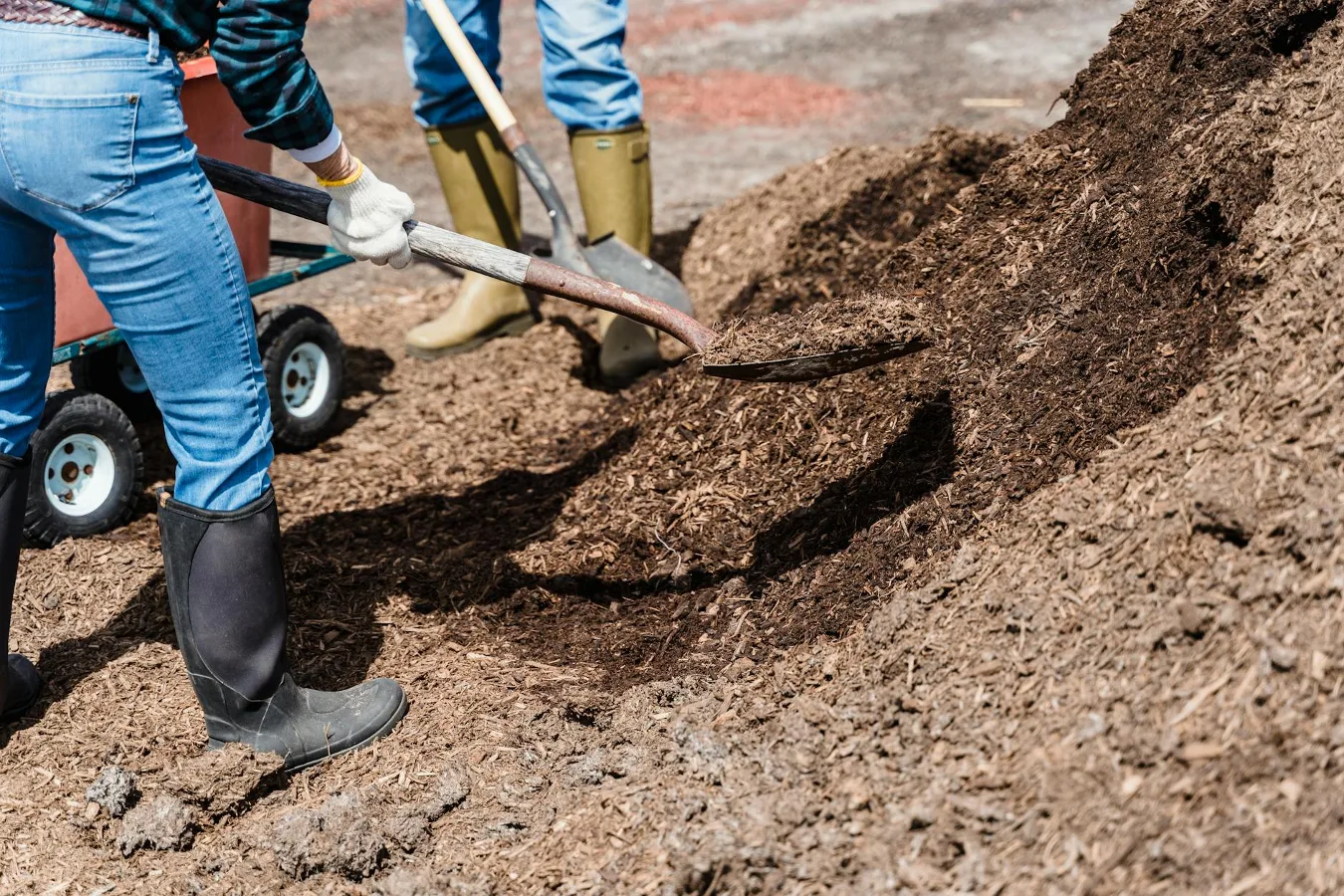
If you are asking how many bags of mulch are in a yard, the short answer is: it depends on the bag size. A standard cubic yard of mulch is the volume many landscape suppliers use, and the number of bags needed changes based on whether the bags are 1.5 cubic feet, 2 cubic feet, or another size. mulch bag size basics offers more detail on this point.
For the most common bag sizes sold in the U.S., 1 cubic yard equals 27 cubic feet. That means you would need about 18 bags if each bag contains 1.5 cubic feet, or about 14 bags if each bag contains 2 cubic feet. Smaller bags require more total bags, and real-world coverage can shift a little depending on how thick you spread the mulch and how much settling occurs.
Start with the basic conversion
The easiest way to think about mulch is by volume. A cubic yard is a volume measurement, while bags are sold by cubic feet. Since 1 cubic yard equals 27 cubic feet, you can divide 27 by the bag size to estimate how many bags equal one yard.
- 1.5-cubic-foot bags: 27 ÷ 1.5 = 18 bags
- 2-cubic-foot bags: 27 ÷ 2 = 13.5 bags, so plan on 14 bags
- 3-cubic-foot bags: 27 ÷ 3 = 9 bags
That formula is the foundation, but it only answers part of the question. The better question is often how many bags you need for the area you want to cover at a specific depth.
Why the bag count is not always exact
Mulch coverage is influenced by more than the math on the label. The actual number of bags you need can change based on how densely the mulch is packed, how evenly you spread it, and whether the bed already has old mulch in place.
Here are the biggest factors:
- Bag size: Different brands and product lines use different volumes.
- Coverage depth: A 2-inch layer uses less mulch than a 3-inch layer.
- Surface shape: Curved beds, tree rings, and narrow strips often waste more material than square beds.
- Existing mulch: Topping off old mulch may require less than starting from bare soil.
- Mulch type: Fine-textured mulch and coarse mulch can settle differently.
A common misconception is that all mulch bags cover the same area. They do not. Always check the bag label for the volume and the stated coverage at the depth you want.
How to estimate the right amount for your project
If you are covering a bed, the most reliable approach is to estimate by area and depth rather than by guesswork. Measure the length and width of the space, then decide how deep you want the mulch to be. how to measure a landscaping bed offers more detail on this point.
For example, a shallow top-off for decorative beds may need less mulch than a fresh layer for weed suppression. In many landscaping projects, people compare options at about 2 inches or 3 inches of coverage because those depths are common starting points. The key is to stay consistent across the whole area so the finished look is even.
If the space is irregular, break it into simple shapes such as rectangles, triangles, and circles. Estimate each section separately, then add the totals together. That approach is more useful than trying to measure a bed all at once with a single rough guess.
A simple decision rule
If you are deciding between bagged mulch and bulk mulch, use this rule of thumb: bagged mulch is better for small, tidy jobs; bulk mulch is often easier for larger landscapes. Bagged mulch is easier to transport, stack, and store, but it can become expensive in labor and packaging if you need a lot of it.
When bagged mulch makes sense
Bagged mulch is the practical choice in several situations. It is especially useful if you are handling a small area, want a specific color or product, or need to transport mulch in a standard car or SUV.
- Small beds and borders: Bagged mulch is easier to manage when the job is modest.
- Spot repairs: If one area needs touch-ups, bags are more convenient than ordering a bulk load.
- Limited storage: Bags can be stored more neatly than loose mulch.
- Controlled application: Bagged product helps prevent overbuying on a small project.
For many homeowners, the biggest advantage is simplicity. You can pick up the exact amount you think you need and finish the job without arranging delivery.
When a yard may be the better unit
Buying by the yard makes more sense when you are covering multiple beds, a large front yard, or a wide property line. Once the project grows, counting bags becomes less convenient and the total number can be surprisingly high.
That said, bulk mulch is not automatically the better value for every homeowner. If you only need a small amount, the extra cost and handling involved with bulk delivery may not be worth it. The right choice depends on the size of the area, how much labor you want to do, and whether you have a place to unload and spread the mulch quickly.
Common mistakes people make when buying mulch
Mulch seems straightforward until the project starts. These are the mistakes that cause the most frustration:
- Buying by eye: Estimating without measuring often leads to shortfalls or extra leftovers.
- Ignoring bag volume: Two bags can look similar but contain different amounts.
- Forgetting the depth: A thin layer looks spread out quickly and may not perform as expected.
- Not accounting for uneven ground: Slopes and dips can require more material.
- Overfilling around plants: Mulch piled too deeply against stems or trunks can cause problems.
One overlooked consideration is that fresh mulch tends to look like more than it really is before it settles. A bed can appear full at first, then thin out as rain and gravity compact it.
Practical mulch-buying guidance
If you are standing in the store trying to decide how many bags to buy, start with the bag volume printed on the package and estimate from there. Then add a small cushion if the area is irregular or if you would rather have a little extra than run short. free standing punch and kick bag offers more detail on this point.
Here is a practical way to think about it:
- Measure the space you want to cover.
- Decide on the desired depth.
- Check the cubic-foot amount on the bag.
- Convert cubic yards to bags using 27 cubic feet per yard.
- Add a modest margin for shape, settling, and touch-ups.
If you are comparing bagged mulch to bulk mulch, factor in more than price alone. Consider delivery, handling, storage, cleanup, and whether you need leftover mulch for later touch-ups. A slightly more convenient option can be the better long-term choice for many homeowners.
Alternative ways to estimate coverage
Some people prefer to estimate by bed size rather than doing the full volume calculation. That can work for simple projects, especially if you are refreshing a standard landscape bed or replacing a thin layer on top of existing mulch.
Another alternative is using the coverage information on the bag itself. Many mulch bags include an estimated square-foot coverage at a specific depth. That can be helpful if you do not want to do the cubic-foot math, though you should still compare the printed depth to the depth you actually want.
If you are planning a larger landscaping project, a mulch calculator can help you translate square footage and depth into a total volume estimate. Even then, it is smart to verify the final total against the bag size you plan to buy.
Quick reference: one yard of mulch by bag size
| Bag size | Bags in 1 cubic yard | Notes |
|---|---|---|
| 1.5 cubic feet | 18 bags | Common size for many retail mulch bags |
| 2 cubic feet | 14 bags | Often sold for easier coverage per bag |
| 3 cubic feet | 9 bags | Less common, but reduces bag count |
This table gives a practical estimate for planning, but always confirm the exact size printed on the package before you buy. A small difference in volume per bag can change the total quickly when you need a lot of mulch.
FAQ
How many 2-cubic-foot bags of mulch are in a yard?
About 14 bags. Since one cubic yard equals 27 cubic feet, dividing 27 by 2 gives 13.5, so plan on 14 bags.
How many 1.5-cubic-foot bags of mulch make a yard?
About 18 bags. That is the most common conversion when people are comparing standard bagged mulch to a cubic yard.
Do I need exactly one yard of mulch for my garden?
Not always. The right amount depends on the size of the area and the depth you want. Some small beds need far less than a yard, while larger landscape beds may need several yards.
Is bagged mulch cheaper than bulk mulch?
Not necessarily. Bagged mulch can be more convenient for smaller projects, but bulk mulch may be more efficient for larger areas. The better choice depends on total volume, delivery, and handling needs.
Should I buy extra mulch?
A small amount of extra mulch can be useful for touch-ups, especially if your beds are irregular. Just avoid overbuying for a very small project, since leftover bags can take up storage space.
If you remember one thing, make it this: start with cubic feet, then convert to bags using the size printed on the label. That simple step removes most of the guesswork and helps you buy the right amount the first time.