

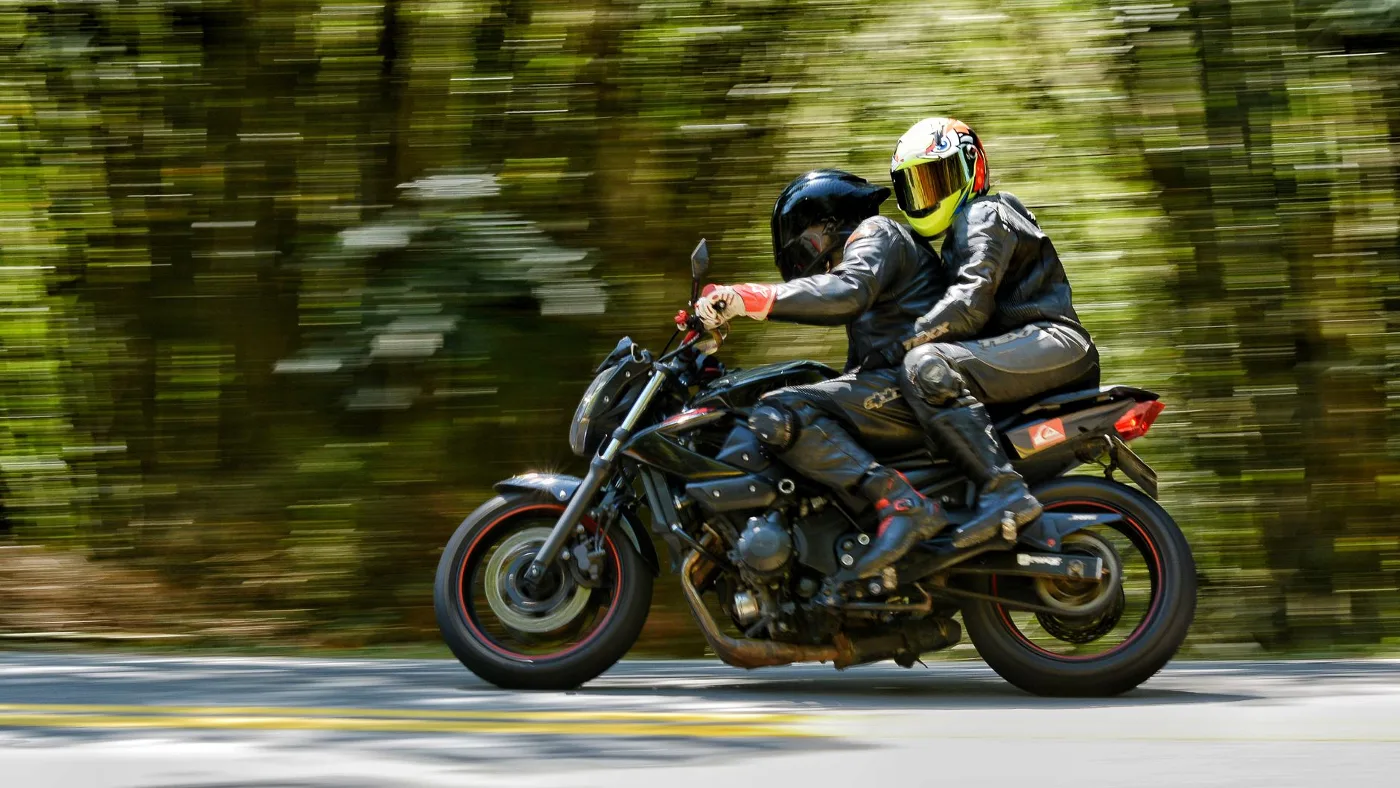
What the best dual sport gear should do
The best dual sport gear helps you move between pavement and dirt without forcing you to compromise too much in either direction. That usually means a careful balance of protection, mobility, ventilation, weather resistance, and durability. If your riding includes commuting, back roads, gravel, fire roads, or light trail use, the right setup should feel adaptable rather than specialized for only one environment. dual sport riding basics offers more detail on this point.
For most riders, the real goal is not finding a single “perfect” piece. It is building a kit that works together: jacket, pants, boots, gloves, helmet, and layers that can handle changing conditions. The best choice depends on how much time you spend on-road versus off-road, how hot or wet your riding season is, and how much bulk you are willing to carry for added protection.
A common misconception is that dual sport gear must look or feel like motocross gear. In practice, many riders do better with gear that is closer to touring protection but trimmed for better movement and better airflow. That middle ground is often where the best value lives.
Buyer scenario: what kind of rider needs dual sport gear?
Dual sport gear makes the most sense if your riding shifts between different surfaces and speeds. A commuter who takes an occasional dirt detour, a weekend rider exploring forest roads, or someone doing longer mixed-surface trips all have different needs, but they share one problem: standard street gear can feel too stiff or too hot off-road, while pure off-road gear can feel too exposed on pavement.
If you mostly ride paved roads and only occasionally touch gravel, you may prefer road-biased adventure gear with lighter off-road influence. If your routes include standing on the pegs, frequent low-speed control, and rough terrain, you will likely want more flexible armor placement, better boot support, and materials that tolerate repeated movement and abrasion.
This is where buying decisions get practical. The best dual sport gear is not necessarily the most protective item in isolation. It is the one that stays comfortable enough to wear consistently, because uncomfortable gear often gets left in the garage. Consistent wear is part of real protection. Dual Sport Bike Gear Buying Guide offers more detail on this point.
The main trade-offs you need to weigh
Dual sport gear is built around compromise, and recognizing that upfront makes the buying process easier. More protection often means more weight, more bulk, and less airflow. More ventilation often means less weather resistance. Greater off-road mobility can reduce the structured feel many street riders like.
Protection vs. mobility: Armor that is more substantial can improve impact coverage, but heavy or stiff gear may limit movement when you are standing, turning, or shifting body position on uneven terrain.
Ventilation vs. weather coverage: Mesh panels and generous vents help in hot weather, but they can become a liability in wind, cold, or unexpected rain if the shell offers little weather defense.
Versatility vs. specialization: A highly specialized off-road setup may perform better in dirt, while a road-focused adventure kit may be more comfortable for longer highway stretches. The wider the use case, the more likely you are to accept some compromise in both directions.
Value vs. replaceability: Some gear looks appealing because it can do many things, but if fit is poor or materials are mismatched to your climate, the value drops quickly. Gear that suits your actual riding is usually the better long-term buy.
Material and spec factors that matter most
Material choice shapes how dual sport gear feels, wears, and protects. Since riders move between different surfaces and speeds, the construction should be judged by how it behaves under changing conditions rather than by one feature alone.
Outer shell materials
Look for abrasion-resistant fabrics suited to motorcycle use, along with reinforced zones in high-wear areas such as shoulders, elbows, knees, seat panels, and inner legs where contact with the bike is common. In dual sport gear, reinforcement is especially important because off-road riding often adds more movement, more dust, and more contact with branches, pegs, and terrain.
Not all durable fabrics feel the same. Heavier materials may last well but can run warm or feel restrictive. Lighter materials can improve comfort and mobility but may need better reinforcement strategy to make up for the reduced mass.
Armor placement and coverage
Protection is not just about having armor; it is about where it sits and whether it stays in place during movement. Elbow, shoulder, back, hip, and knee protection are the main areas to evaluate, but fit matters just as much as the number of pads.
One overlooked detail is how armor behaves when you are standing on the pegs. Some jackets and pants fit well seated but shift awkwardly once you stand, leaving pads out of position. For dual sport riding, mobility in both positions is essential.
Ventilation and temperature management
Dual sport gear needs to handle changing temperatures better than most single-purpose apparel. Large vents, breathable panels, removable liners, and layering compatibility all help, but each adds complexity. More removable parts usually mean more decisions before you ride and more care after the ride.
If your riding season includes intense heat, prioritize airflow and lighter layers. If your rides often start early or end late, or if weather changes quickly, look for gear that can close up securely and accept insulating layers underneath.
Weather resistance
Weather resistance is where many buyers overestimate what a garment can do. Water-resistant and waterproof are not the same thing, and not every “all-season” label means the gear will stay comfortable in extended rain.
For mixed-surface riders, weather resistance should be judged alongside drying time, storage of liners, and how the garment behaves when wet. A jacket that blocks some wind but soaks through slowly may still be useful on short rides. A heavier waterproof shell may be more appropriate if rain is a regular part of your riding.
Fit, sizing, and mobility are not secondary details
Fit can make or break dual sport gear. If the jacket or pants are too tight, you may lose range of motion and create pressure points. If they are too loose, armor can move around, and wind can make the gear tiring at speed. Dual sport riding adds one more wrinkle: the best fit must work both seated and standing.
Pay attention to sleeve length, torso length, knee articulation, and whether the pants sit correctly with your boots. Boots can change the entire fit equation. Pants that bunch too much over tall boots can become annoying on long rides, while cuffs that are too short may expose skin or leave pads sitting too high.
Another practical nuance is layering. If you plan to wear base layers, a fleece, or a heated liner underneath, the outer gear needs enough room to accommodate them without becoming sloppy in warmer weather. Riders often buy too small because the gear feels secure in a fitting room, then discover it is hard to use once real layers are added.
Boots and gloves deserve more attention than they usually get
Many buyers focus on jackets and overlook boots and gloves, even though both can have a major impact on comfort and control. Dual sport boots should support the ankle, protect against impacts, and still allow enough flex for shifting and walking short distances when necessary. The right level of stiffness depends on how aggressive your off-road riding is.
For gloves, the main questions are feel, grip, weather tolerance, and protection. A glove that is comfortable on-road may feel too thin on rocky or brush-heavy routes. A glove that is heavily armored may reduce dexterity for controls, phone use, or map handling. The best choice depends on how much precision you want versus how much protection you expect to need.
Helmets also matter, especially for riders who mix speeds and terrain. Dual sport helmet styles often prioritize visor compatibility and ventilation, but the right model still depends on how much time you spend on dirt versus pavement and whether you prefer goggles or a face shield setup. Compatibility with your eye protection and jacket collar should be part of the buying decision.
How to think about different rider setups
Not every rider should buy the same style of gear. Thinking in use cases helps narrow the field quickly.
- Mostly street with occasional gravel: Choose road-leaning adventure gear with good abrasion resistance, moderate ventilation, and straightforward weather coverage.
- Balanced mixed-surface riding: Look for flexible armor, strong mobility, removable liners, and fit that works well both seated and standing.
- Hot-climate trail riding: Prioritize airflow, lighter construction, and gear that still protects key impact zones without trapping heat.
- Cooler-weather touring with dirt detours: Favor weather resistance, layering space, and secure closures that block wind.
- Aggressive off-road use with road transfers: Focus on freedom of movement, strong boots, stable armor, and durable high-wear reinforcement.
This is also where a modular approach can help. Some riders do better buying a better jacket and pants separately, then choosing boots and gloves that match the kind of terrain they actually ride. That approach can be more effective than trying to force one complete outfit to solve every scenario at once.
Common mistakes when shopping for dual sport gear
One of the biggest mistakes is buying for a fantasy ride instead of a real one. A rider who mostly commutes and takes a few dirt roads a month does not need the same setup as someone who regularly rides technical trails. Gear should match your typical use, not the most ambitious trip you imagine taking someday.
Another mistake is assuming more armor automatically means better protection. If the fit is poor or the armor sits in the wrong location, the benefit drops quickly. Protection has to stay positioned through movement.
Buyers also underestimate how much climate affects satisfaction. A set that feels ideal in a cool showroom may become a burden in summer heat, while breathable gear that feels great in July may leave you underprepared for spring rain or fall wind.
Finally, some riders ignore maintenance and storage. Dust, mud, sweat, and rain all shorten the useful life of riding gear if they are not managed. Zippers, liners, closures, and armor pockets should be easy enough to inspect and clean after repeated use.
What usually makes a dual sport setup worth buying
The most worthwhile gear usually has a few traits in common: it fits well, feels manageable across different ride lengths, offers sensible protection for the type of riding you do, and remains practical enough that you will actually wear it. That last point matters more than many buyers expect.
Look for gear that supports your real riding habits rather than chasing the most aggressive spec sheet. A good dual sport purchase often feels less dramatic than expected. It may not be the lightest, the toughest, or the most technical on paper, but it can be the most usable in everyday riding.
If you are choosing between two options, ask which one solves more of your real problems. Does it breathe better? Does it fit your boots? Can you layer under it? Will it still feel usable after a long day? Those practical questions usually matter more than flashy features.
Next steps before you buy
Before ordering anything, map your riding habits to the gear category. Note your typical temperatures, how much highway time you have, how often you stand on the pegs, and whether rain is a frequent concern. Then decide where you want the compromise to land.
After that, compare the jacket, pants, boots, gloves, and helmet as a system. A strong individual piece can still be a poor fit if it clashes with the rest of your kit. Watch for sleeve and cuff interaction, knee pad placement over boots, collar comfort with your helmet, and glove compatibility with your controls.
If you want the safest route, start with the pieces that affect confidence most: boots, gloves, and a protective jacket or riding pants that fit correctly. From there, refine the setup with layers and weather-specific add-ons as your riding style becomes clearer. That approach keeps the purchase grounded in actual use instead of marketing language. motorcycle protective layers offers more detail on this point.
The best dual sport gear is the gear that makes mixed-surface riding easier to do often. If it is protective, comfortable, and realistic for your climate and terrain, it will serve you better than a more extreme option that stays unworn.